SALAAM CENTRE UK

Industrialized Parametric Facade

March 2024

SALAAM CENTRE UK

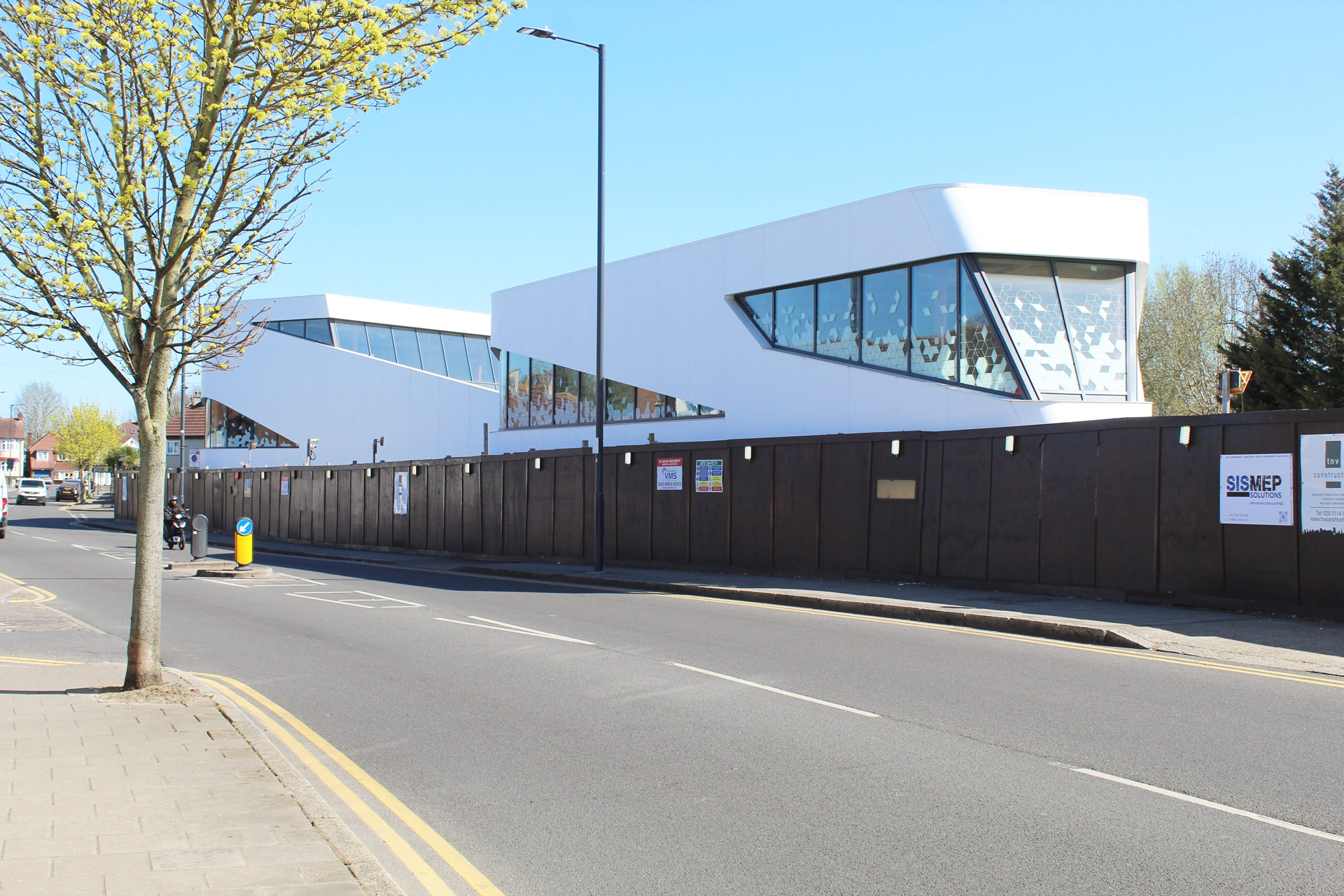
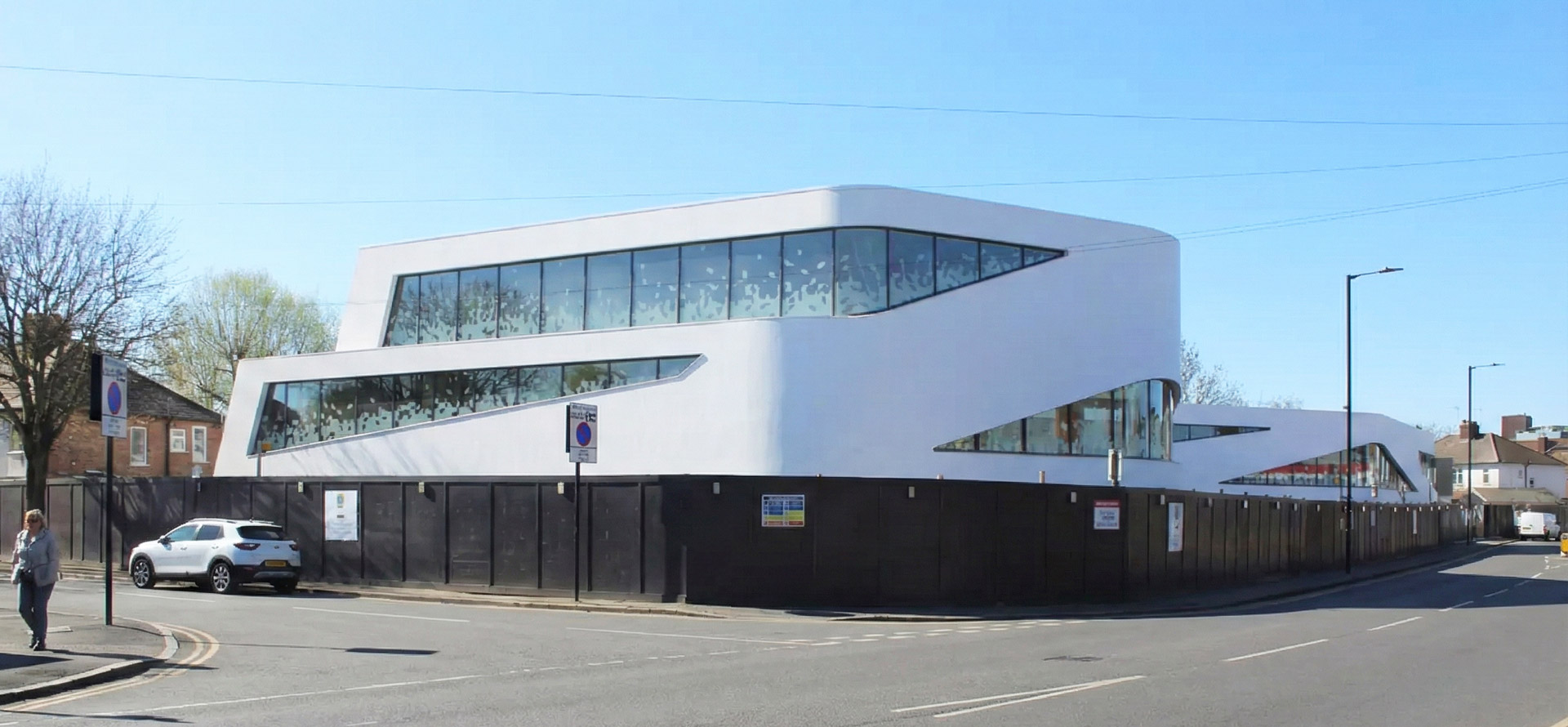
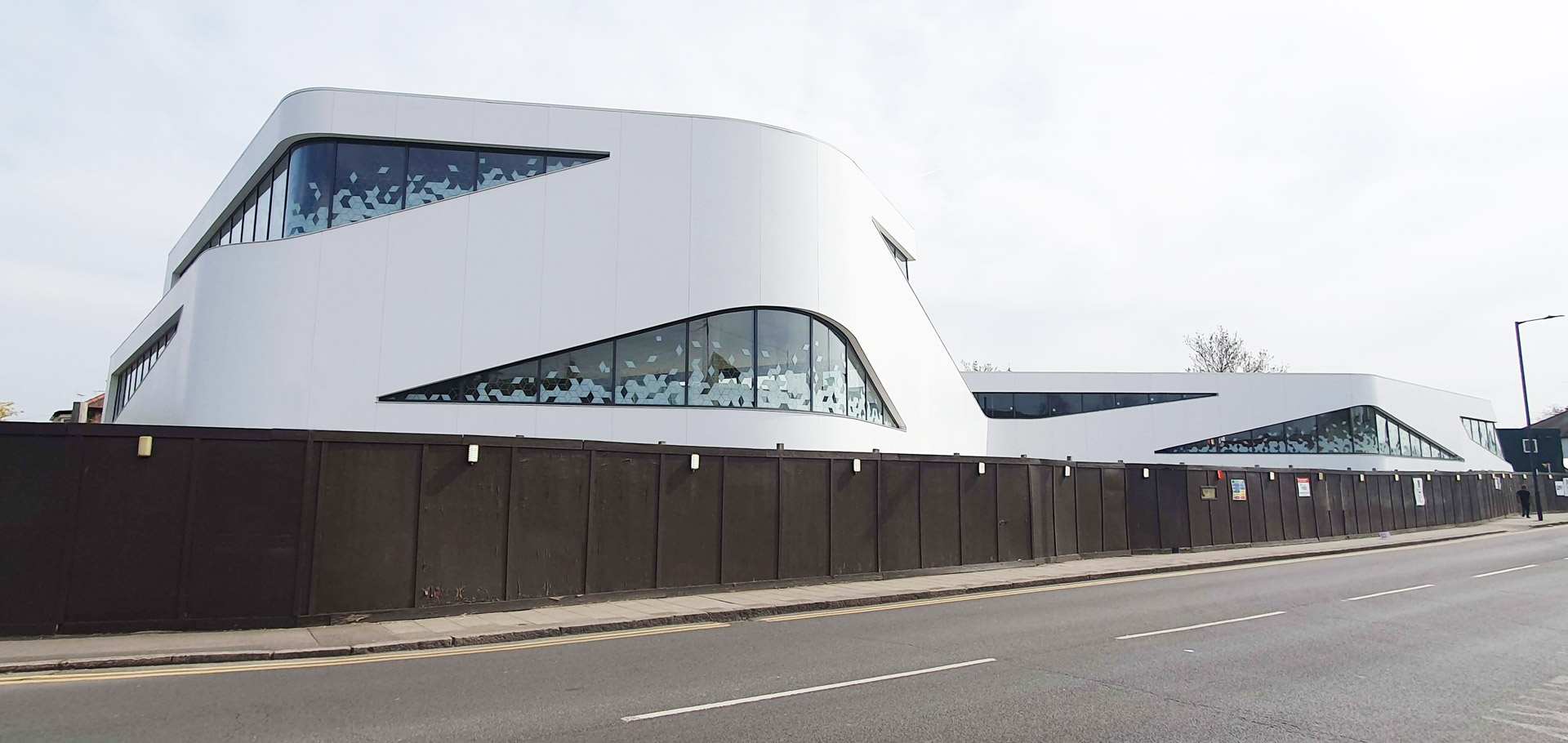
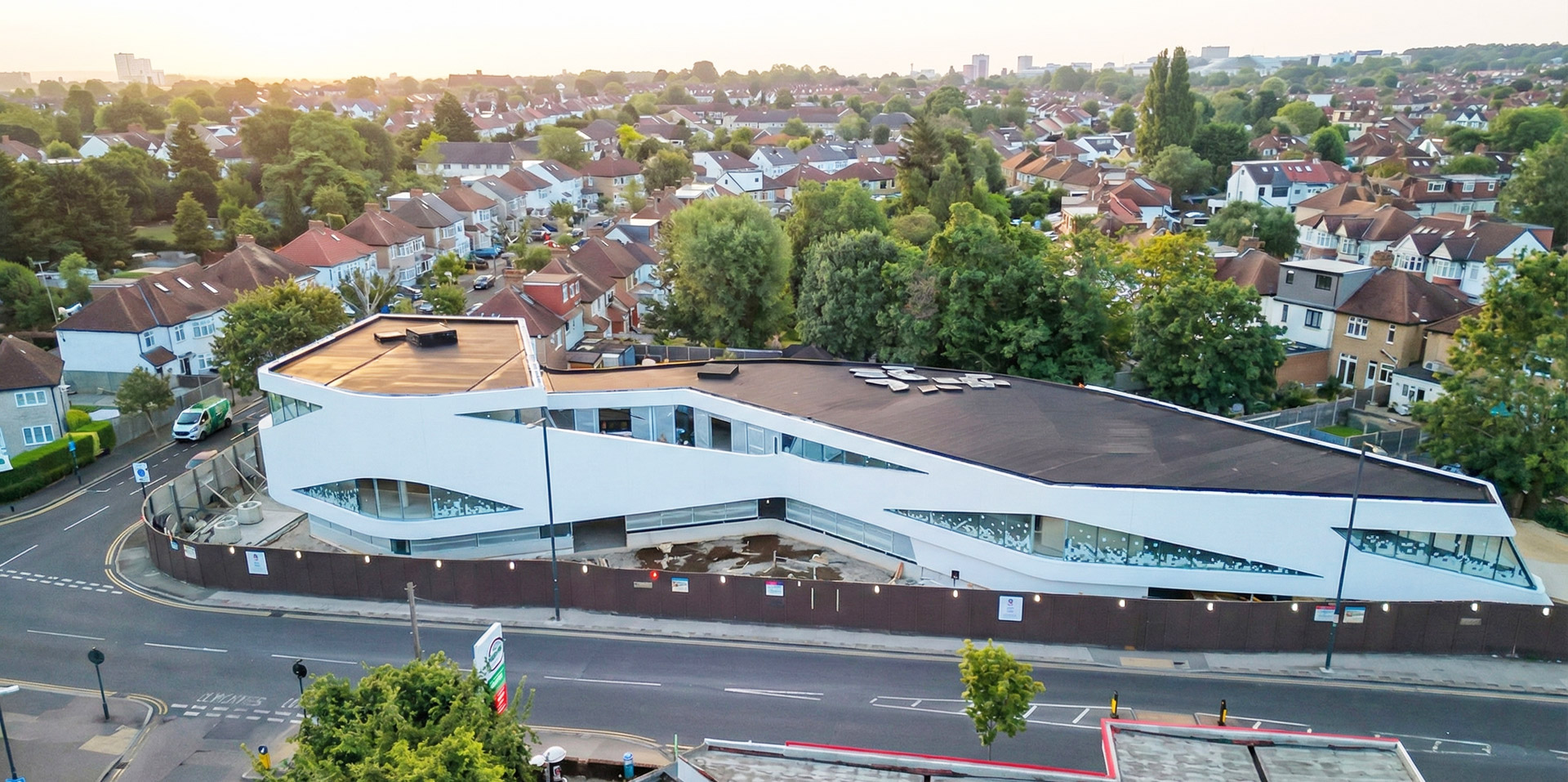
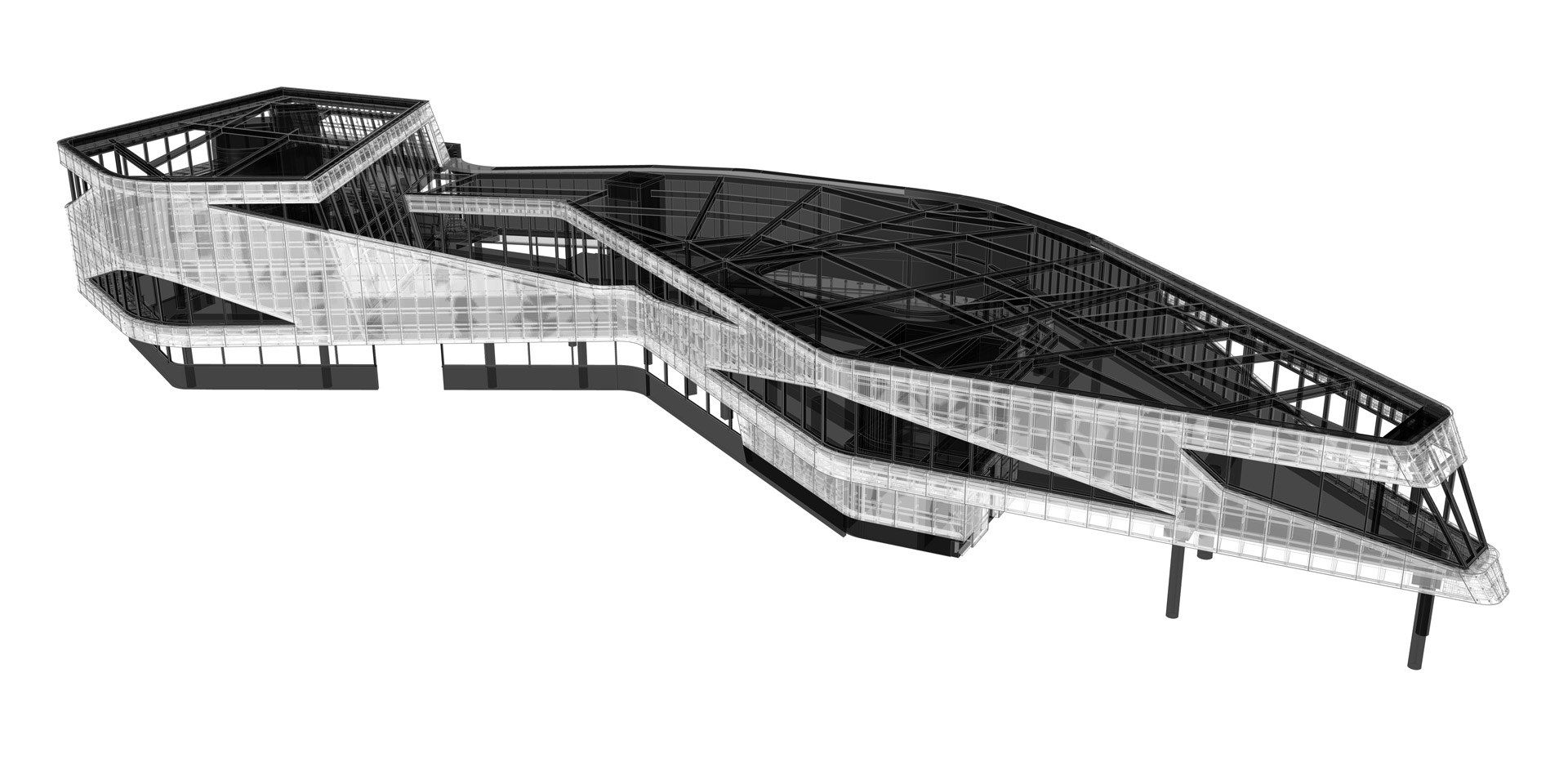
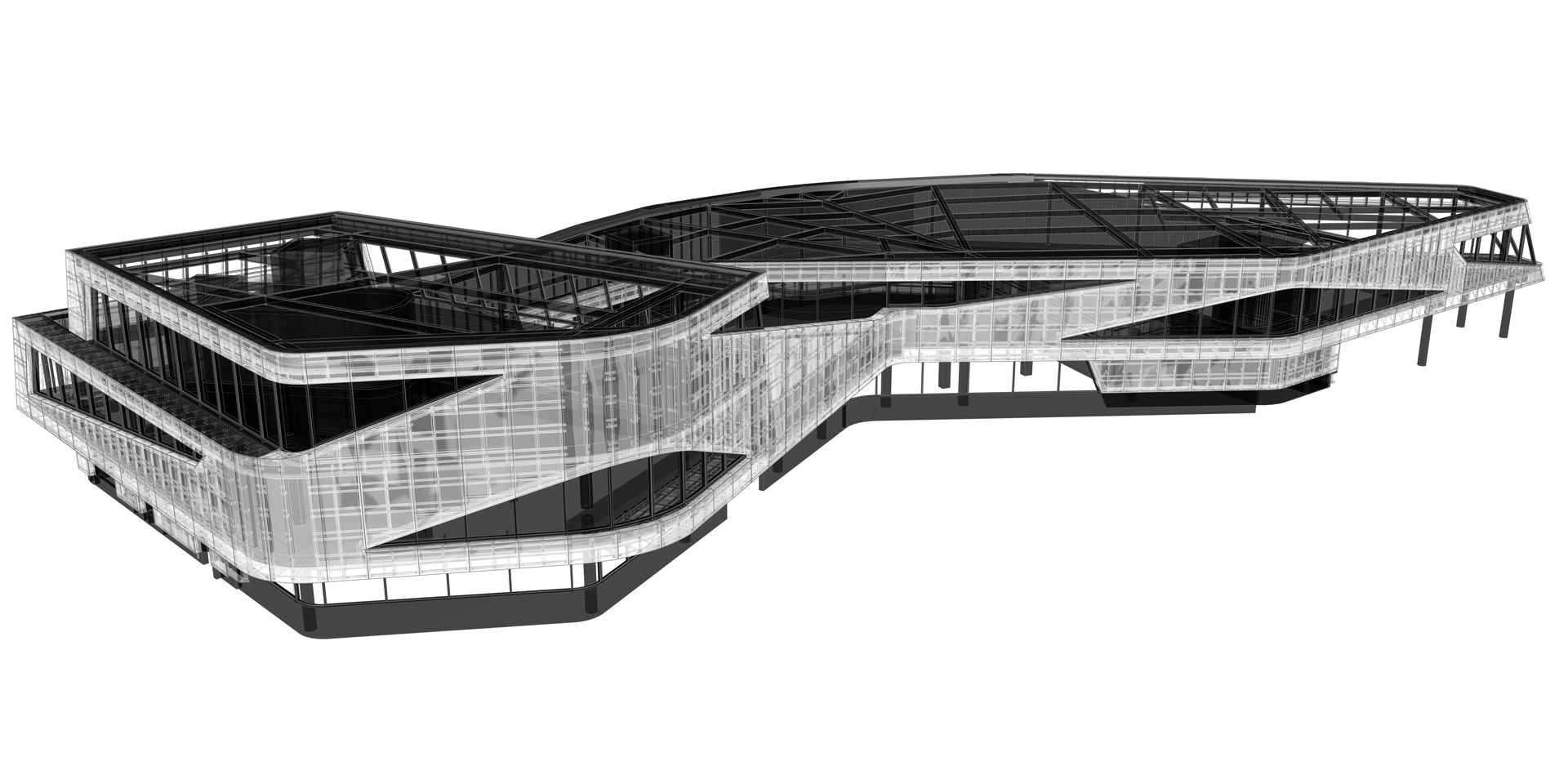
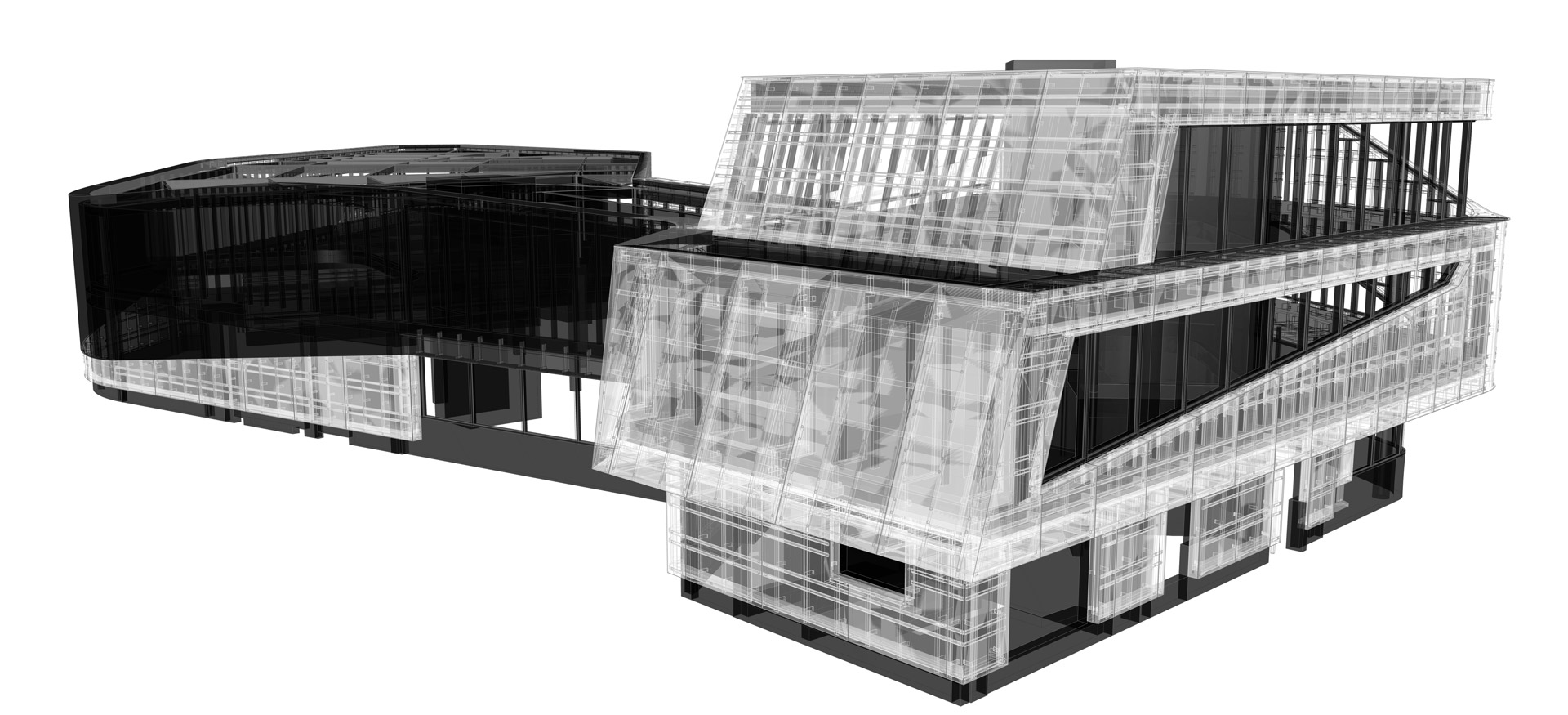
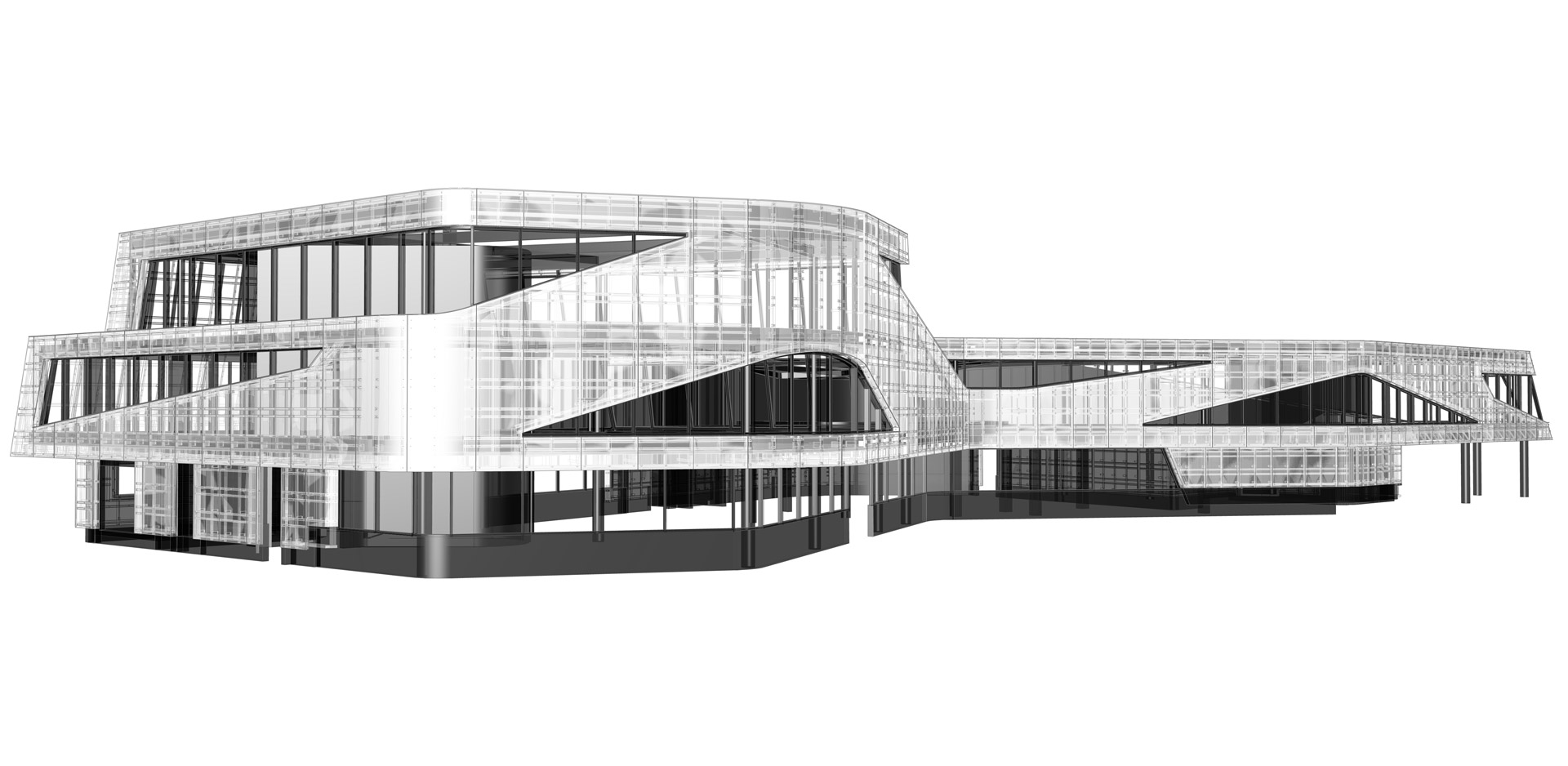
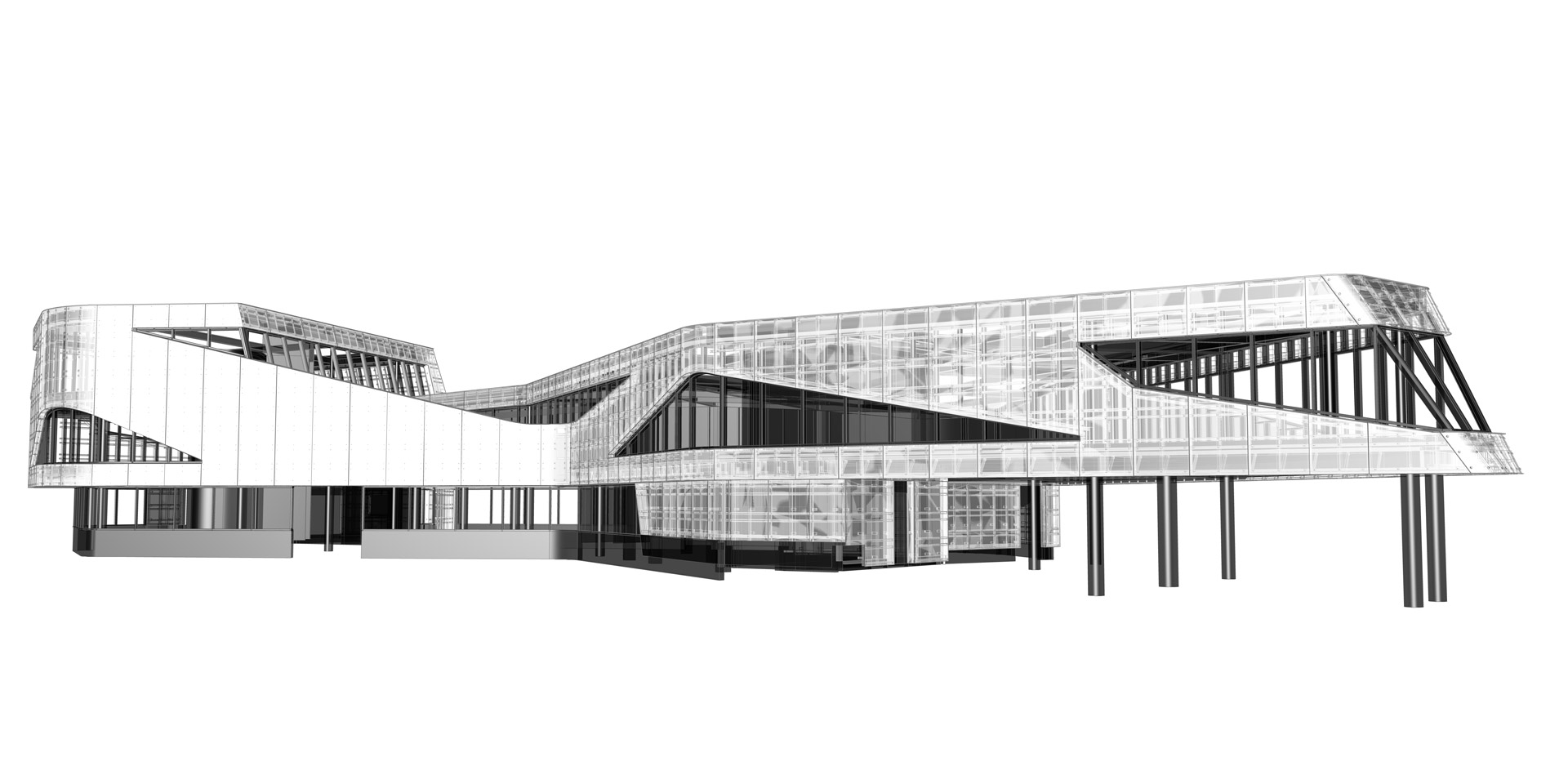
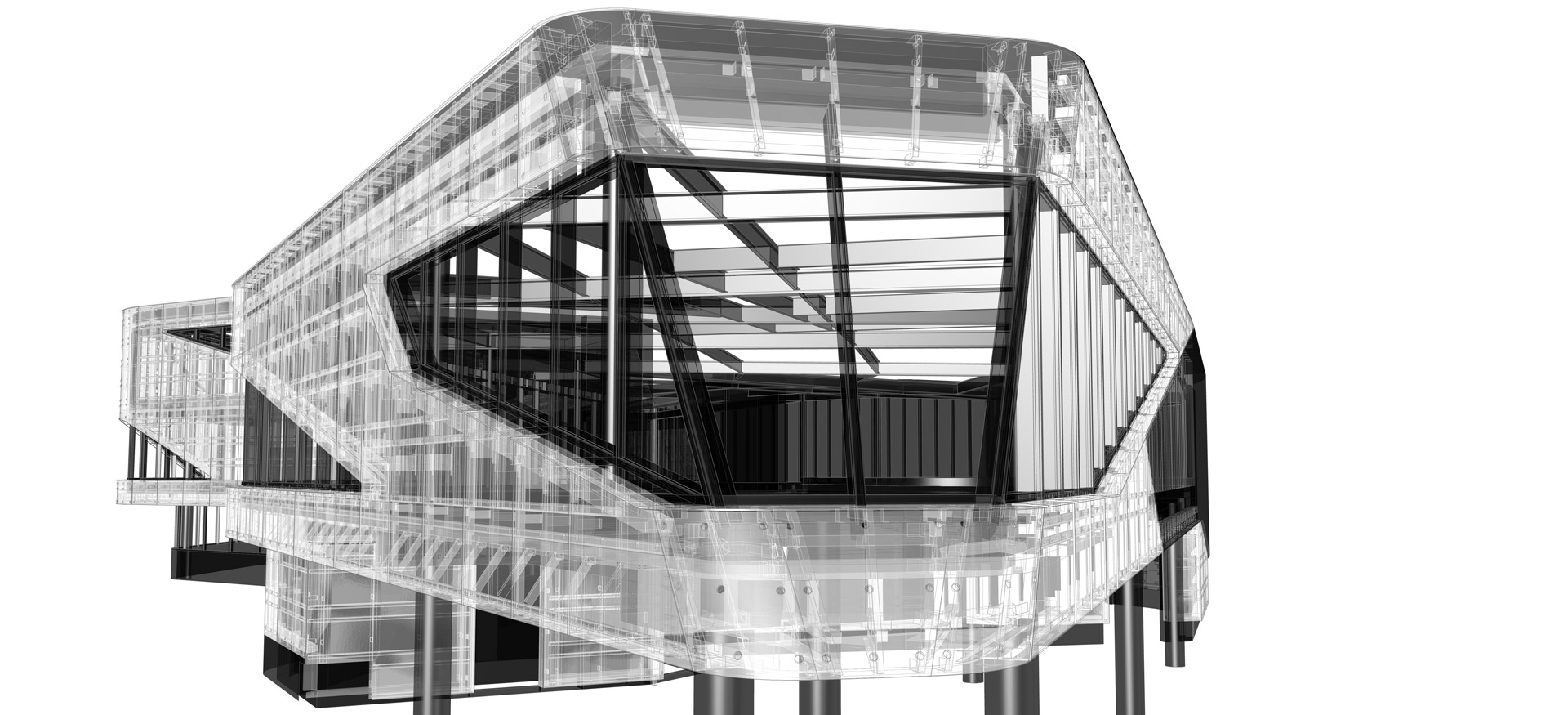
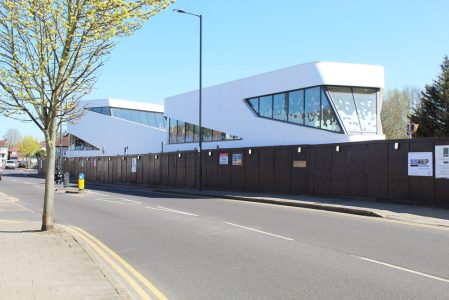
The Salaam Centre incorporates a prefabricated façade system of 553 Krion panels, with a total surface area of approximately 1,924 sqm. The façade is conceived as a continuous architectural envelope in which geometry, structure, and enclosure are resolved through a coordinated modular system designed for industrial production and precise on-site assembly.

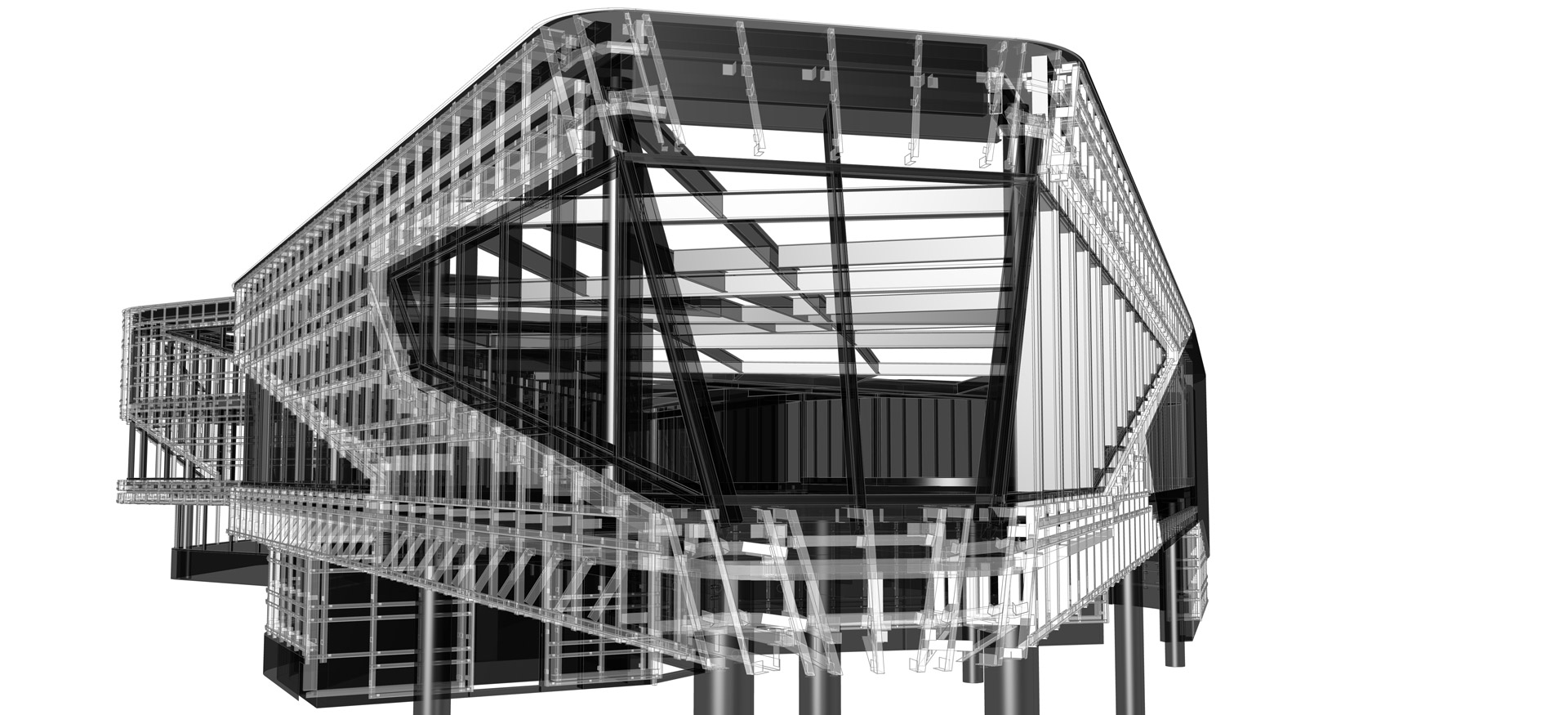
Each panel is developed through algorithmic processes that regulate its geometric definition and fabrication parameters, enabling the rationalisation of complex geometries while maintaining the strict tolerances required for industrial manufacturing. Façade’s substructures and auxiliary components are parametrically generated as part of a unified digital workflow, ensuring dimensional consistency, minimising repetitive manual operations, and guaranteeing full traceability from design development through fabrication and on-site installation.

Additionally, the following tasks have been developed:

  • Coordination of multiple 3D models (structural, façade, and auxiliary systems), including clash detection, issue tracking, and technical coordination with third-party suppliers.
  • Redefinition, optimisation, and rationalisation of the original geometry to enable an industrialised and fabrication-aware manufacturing process for the façade system.
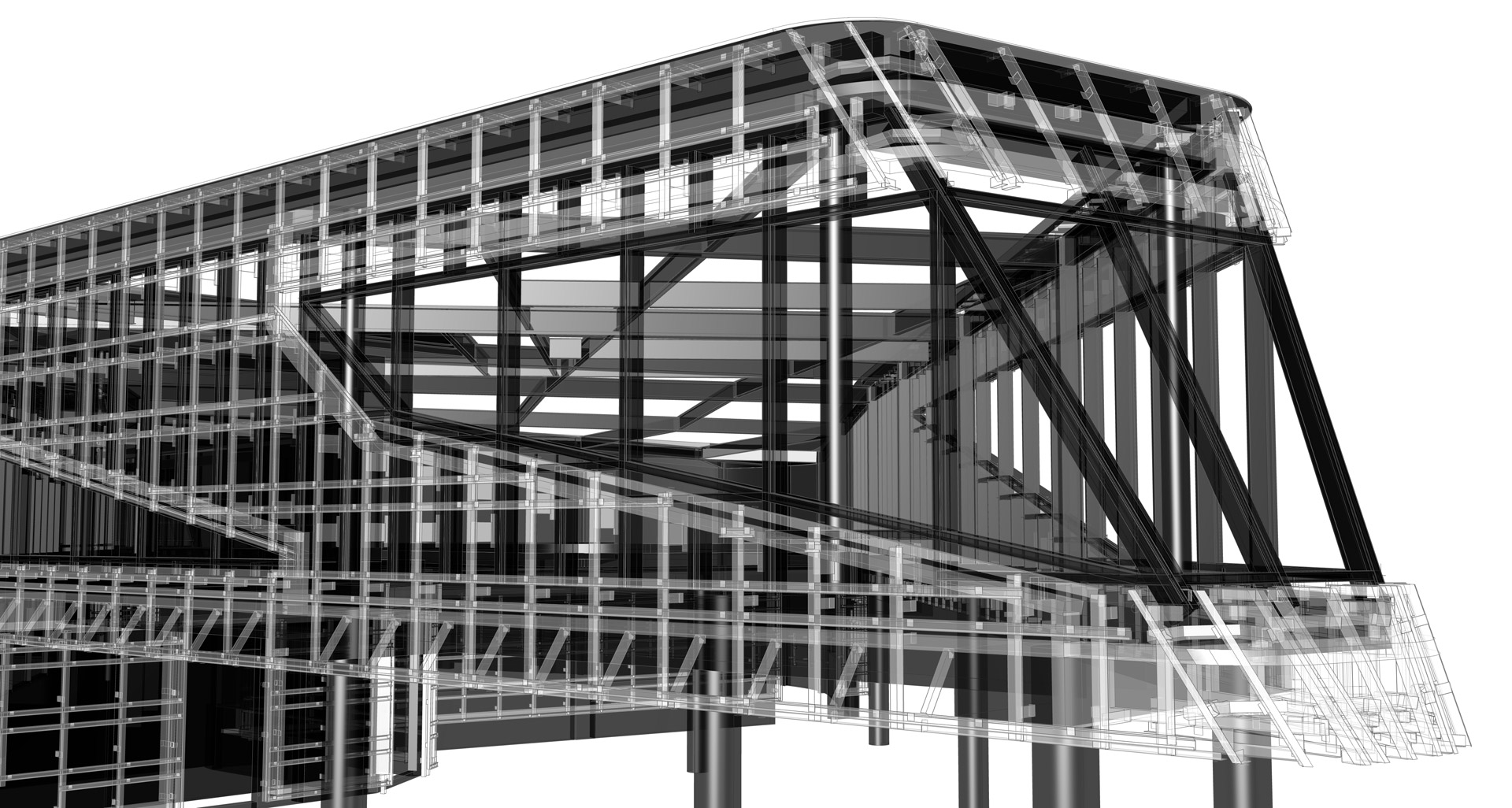
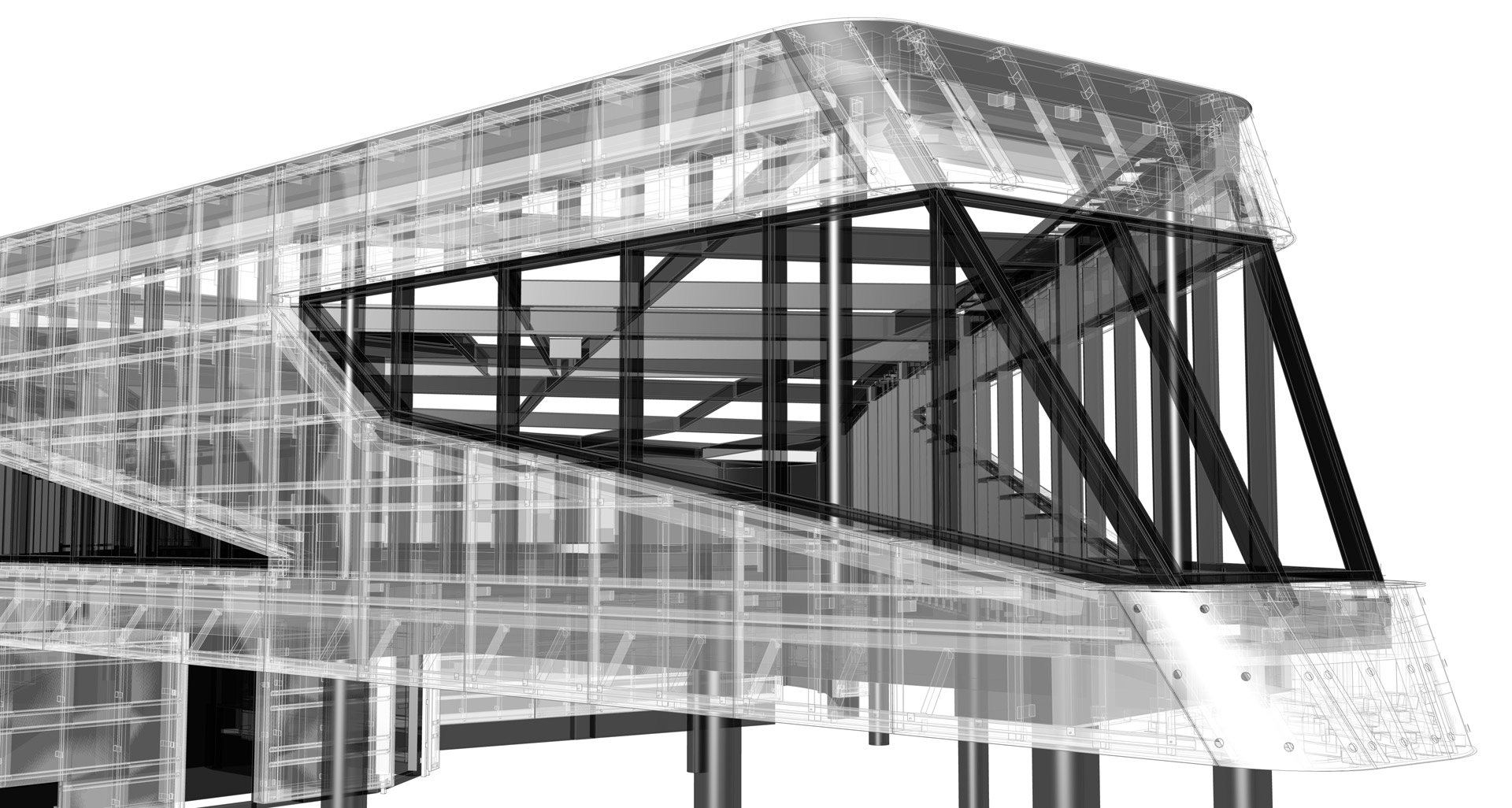
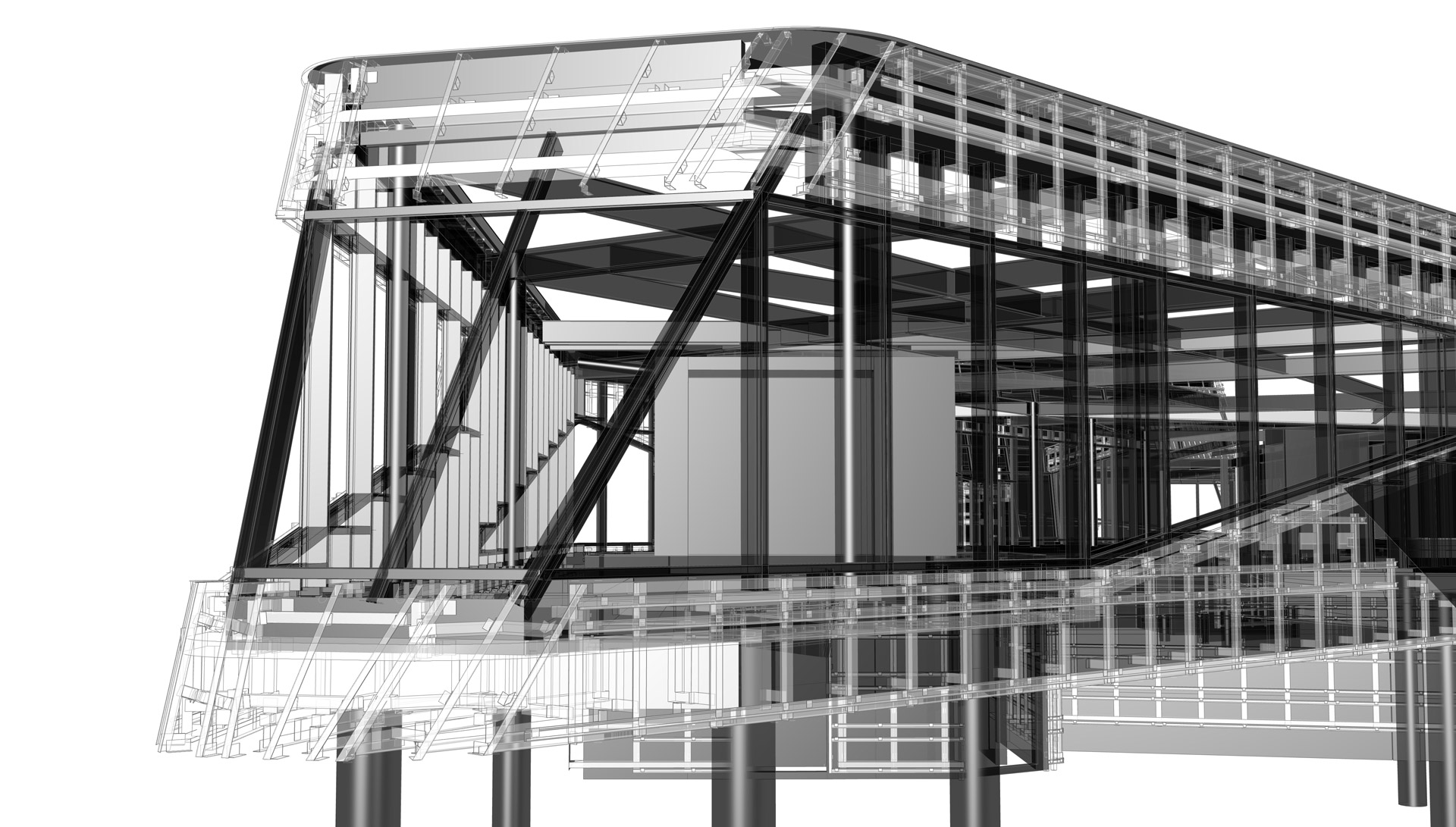
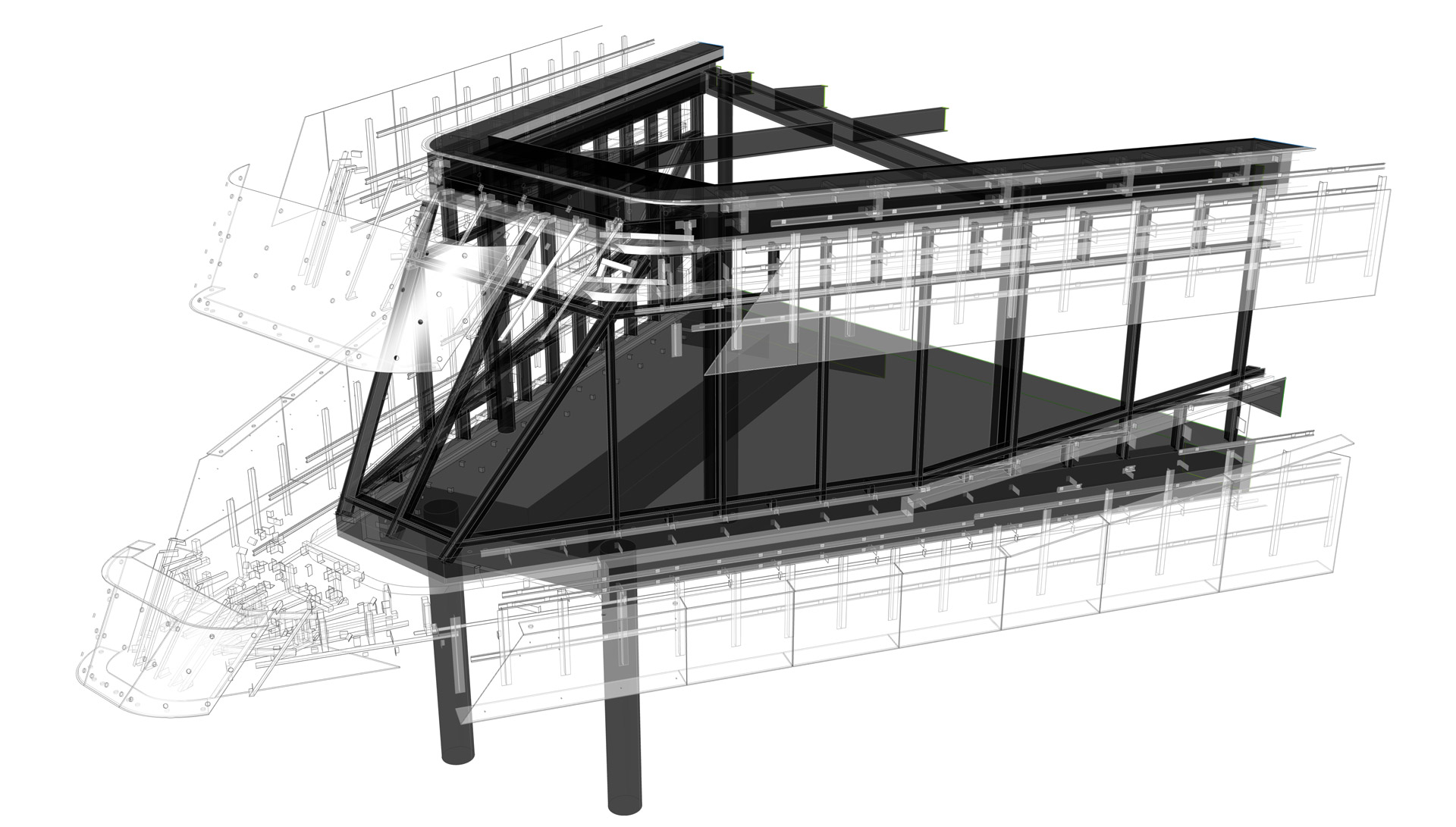
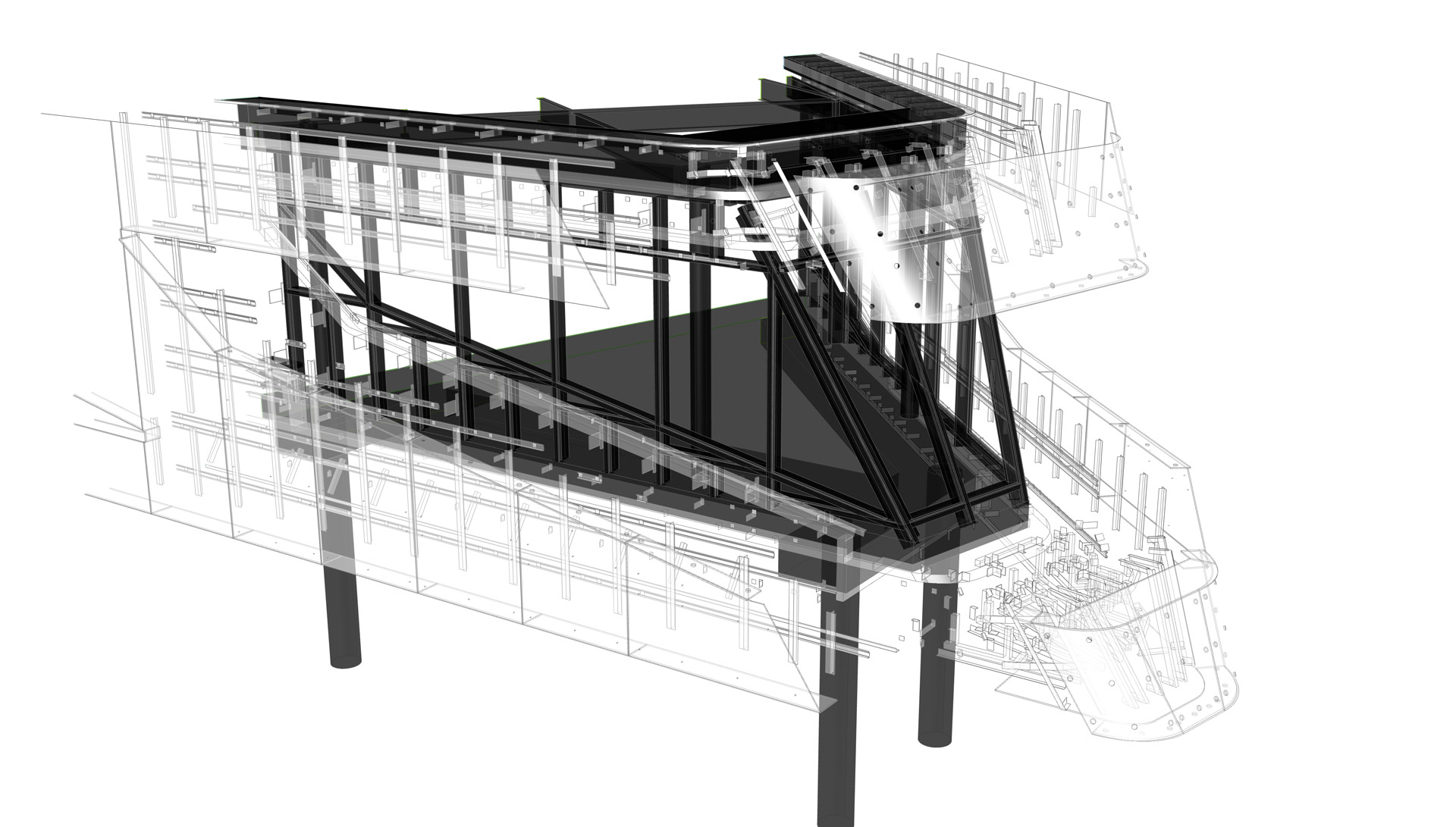
  • Design and detailing of the auxiliary structural system supporting the Krion modules and their assembly logic.
  • Preparation of shop drawings for the assembly & manufacturing of the façade modules using 1 cm Krion panels.
  • Bill of quantities for each module, including surface areas, joints, fasteners, welding lengths, and associated fabrication metrics.

Role

-Project Director 

Cients

Fabrication Model

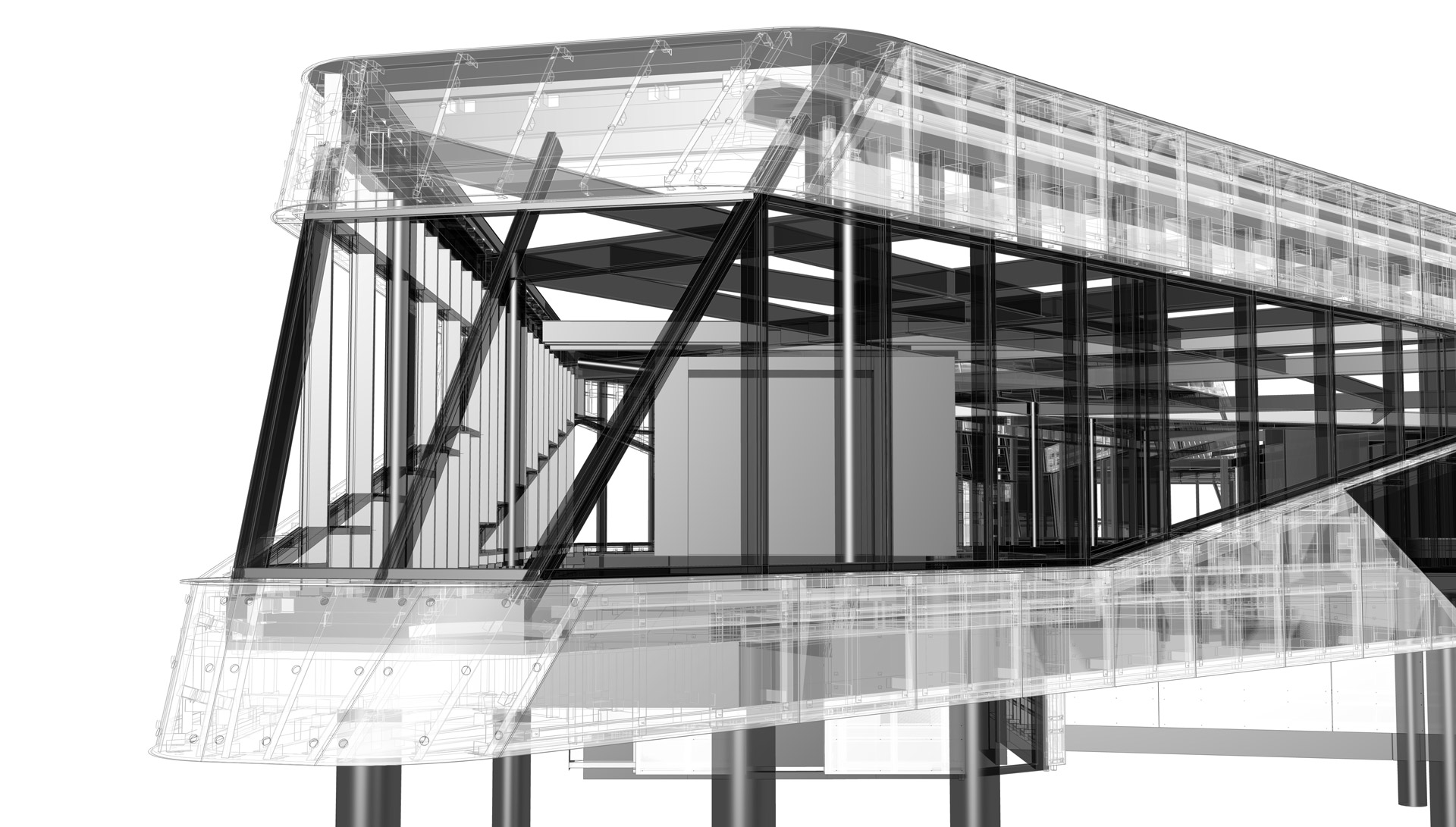
A fabrication model is developed to integrate all discipline-specific information required for the precise manufacturing of the façade system. Each component is modelled individually to ensure geometric accuracy, verify construction feasibility, and validate the overall aesthetic performance. The model consolidates fabrication tolerances, substructure configurations, and assembly logic, enabling consistent coordination between design, production, and on-site installation.

Construction Site Pictures

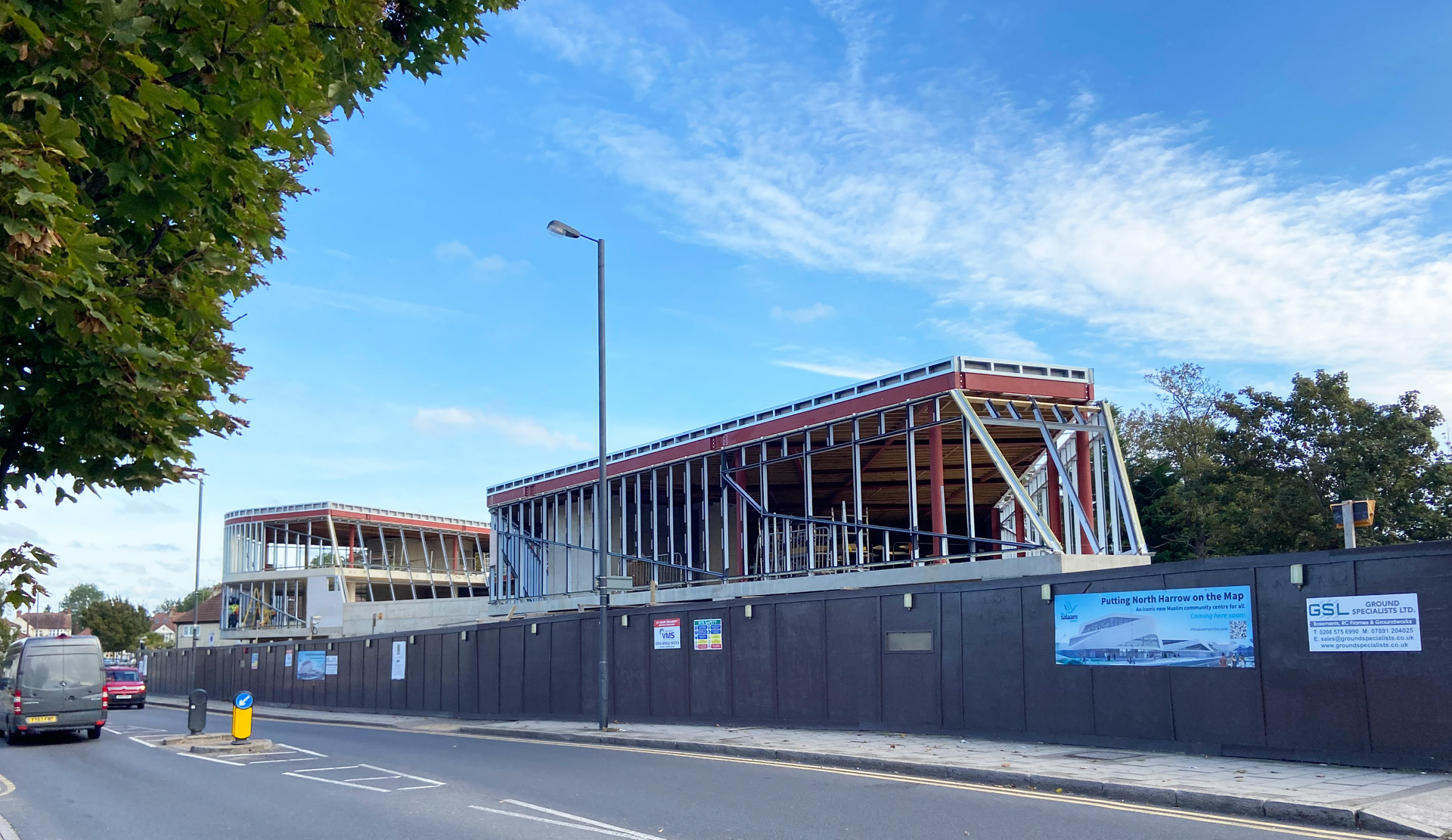
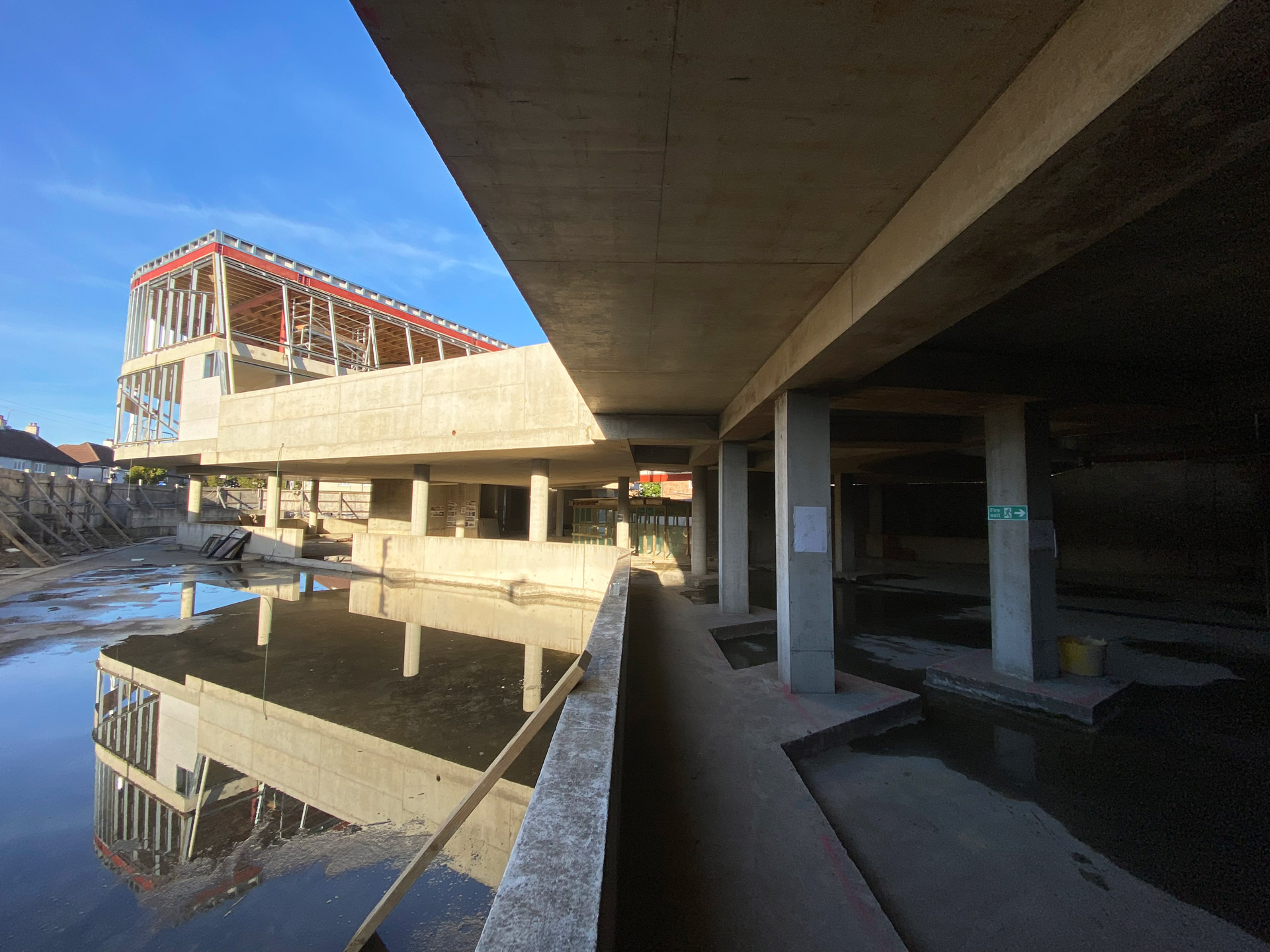
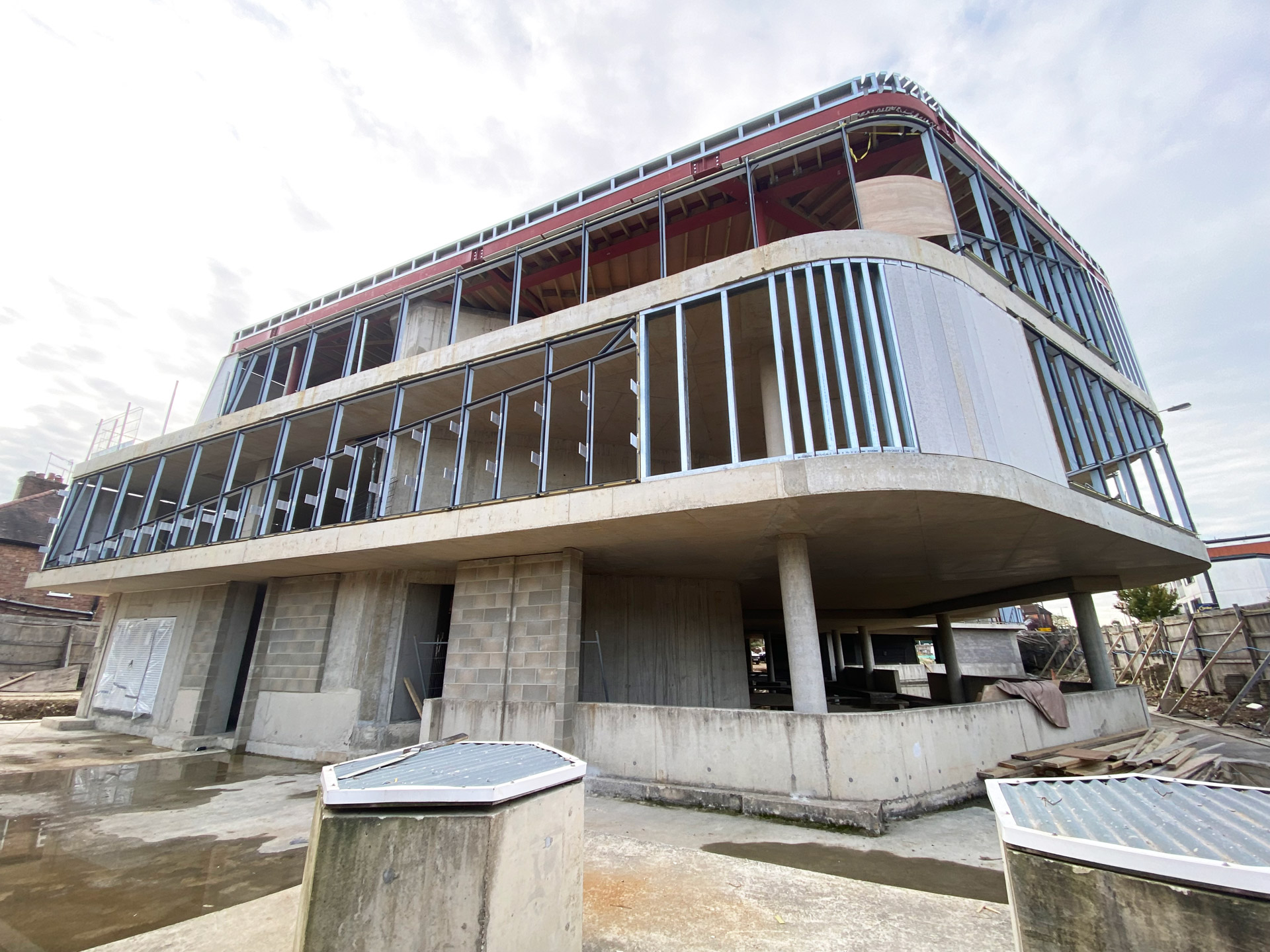
The prefabricated modules are manufactured in a factory and assembled directly on site. Those pieces are produced using digital tools from the 3D model, so the geometry employed for fabrication purposes is the same as the one used for construction drawings. Furthermore, the 3D model represents a digital twin of the construction site allowing us to predict problems and improve assembly efficiency.

Prefabricated Modules

Each façade element is conceived as part of a parametrically structured system of 553 Krion panels, developed under a common framework of fabrication and assembly constraints. Rather than maximising formal differentiation, the design strategy focuses on geometric rationalisation and controlled repetition, allowing the façade to be resolved through a limited set of panel typologies optimised for industrial production.

Algorithmic methods are applied to regulate panel geometry and fabrication parameters, enabling the reuse of manufacturing moulds and simplifying both production workflows and on-site installation procedures. This approach supports a fabrication-oriented design process in which constructability, tolerances, and assembly logic are embedded from the early design stages. By constraining unnecessary geometric variation, the workflow reduces manual intervention, increases efficiency in off-site manufacturing, and ensures a predictable and streamlined installation process on site.