REGROW FLAX

Research Project

April 2023

REGROW FLAX

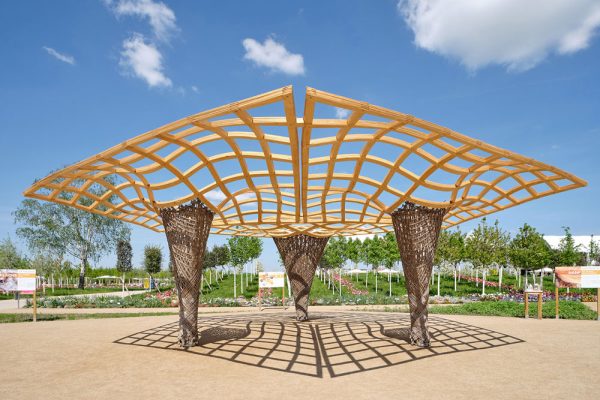
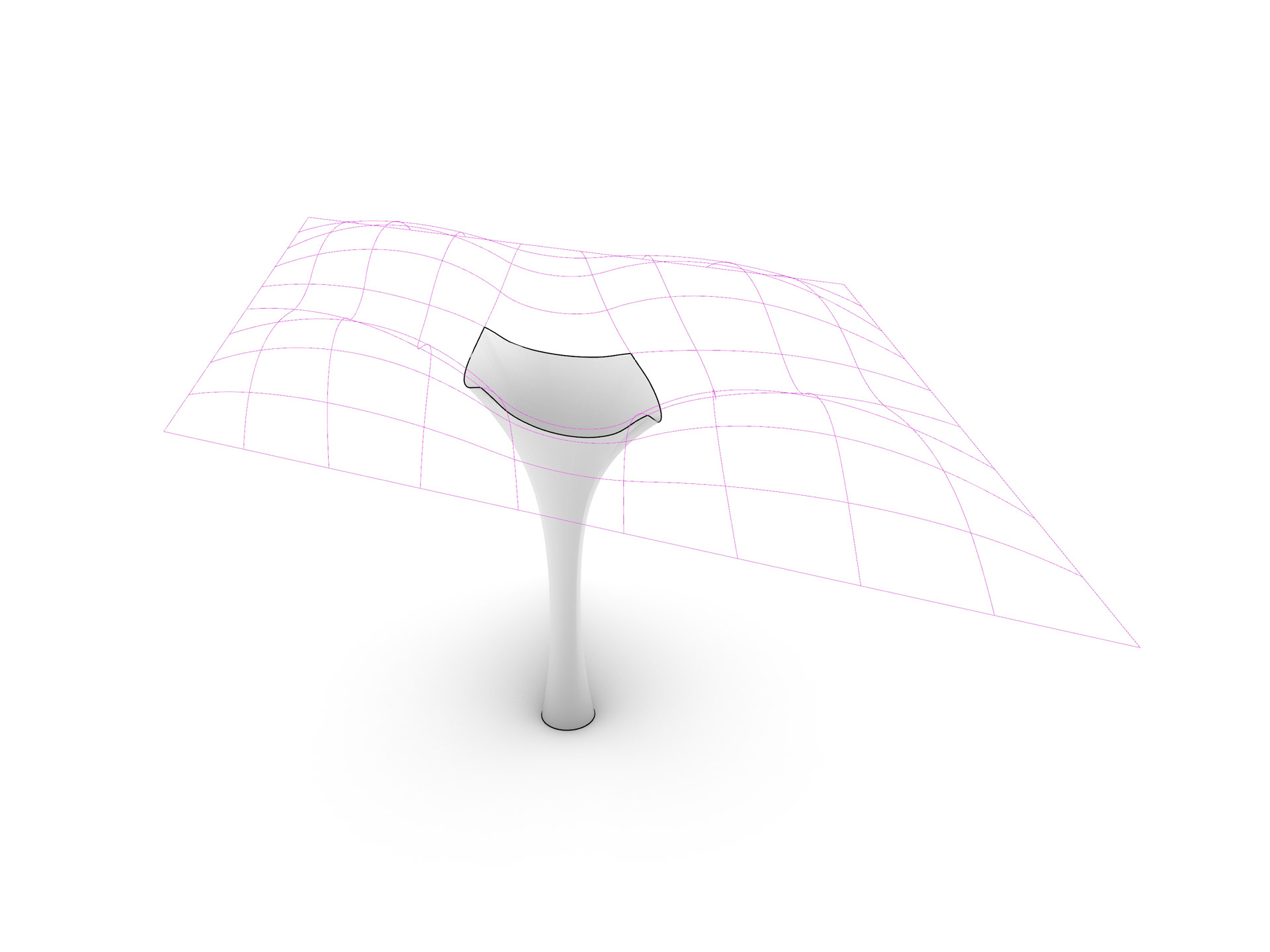
RegrowFlax is a research project that explores construction-driven form generation through the use of natural materials, digital design methods, and fabrication-aware workflows.
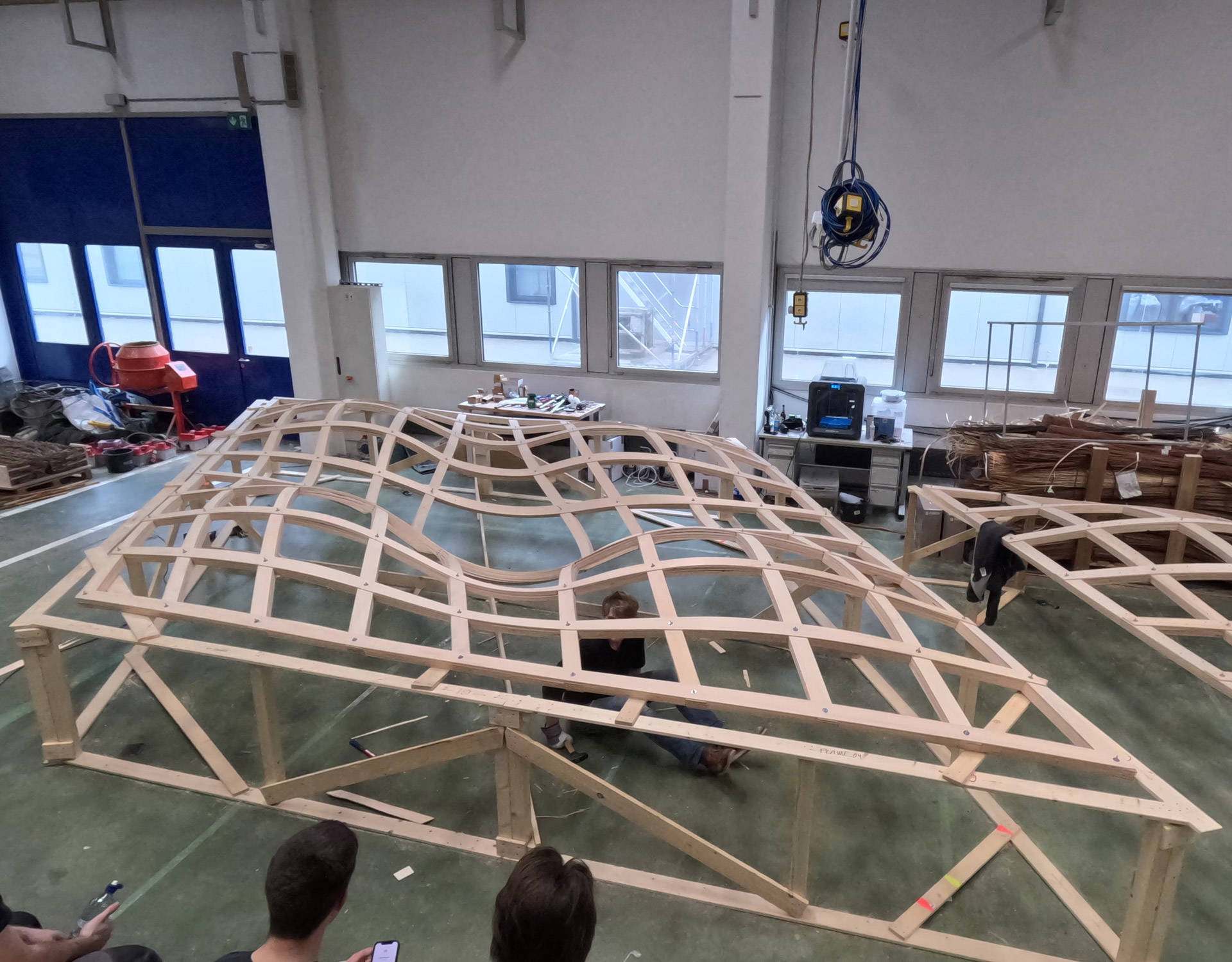
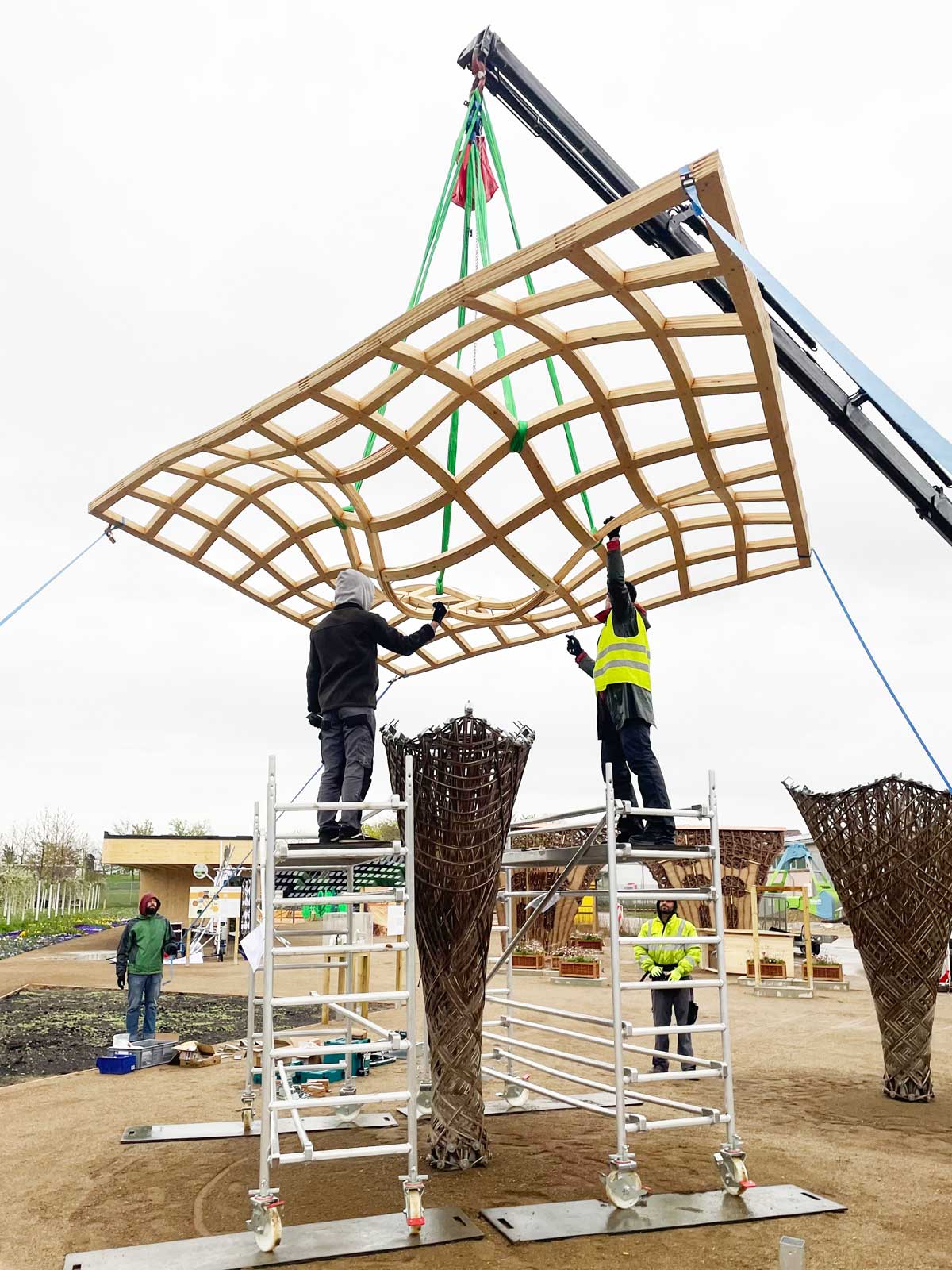
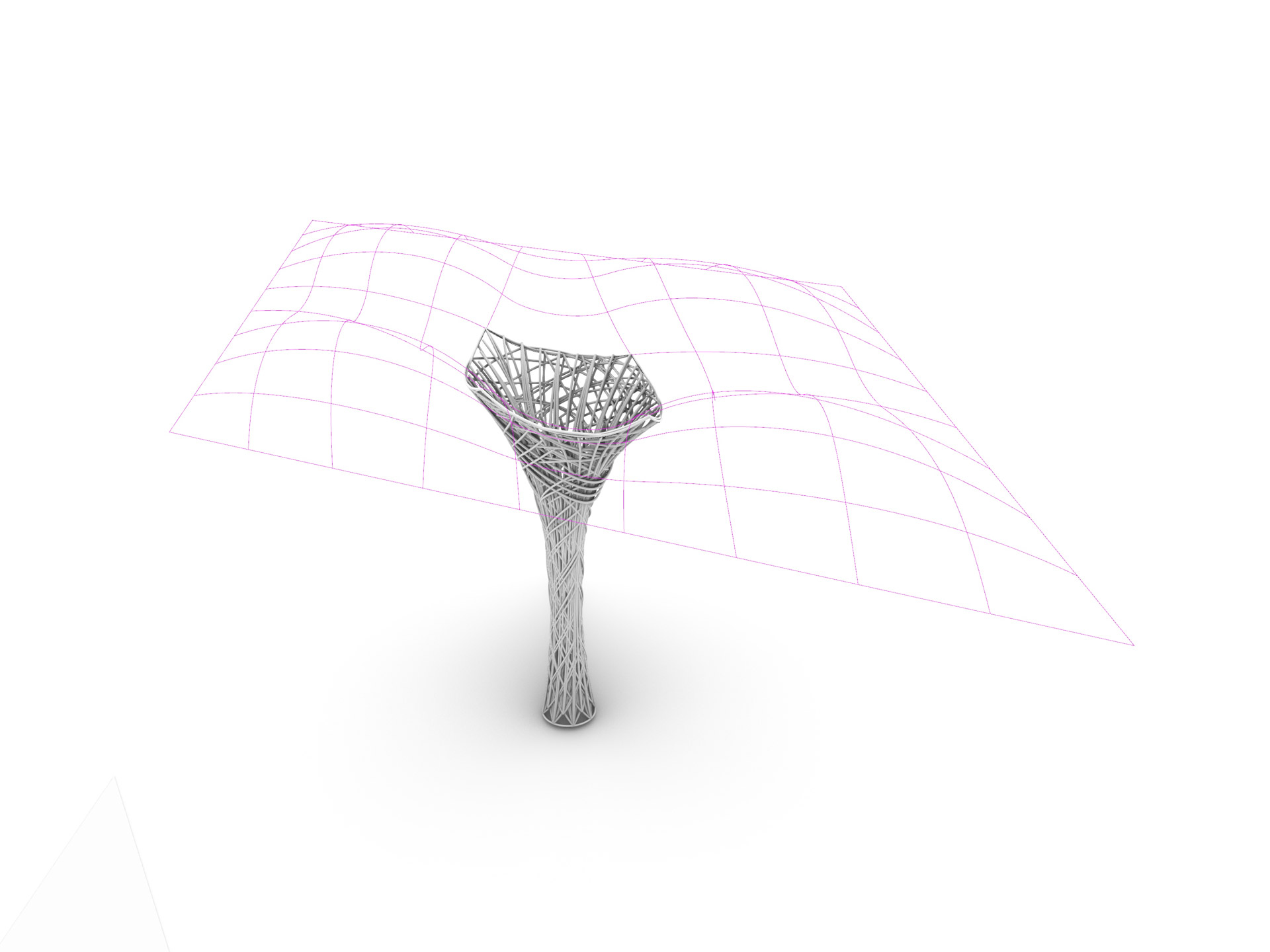
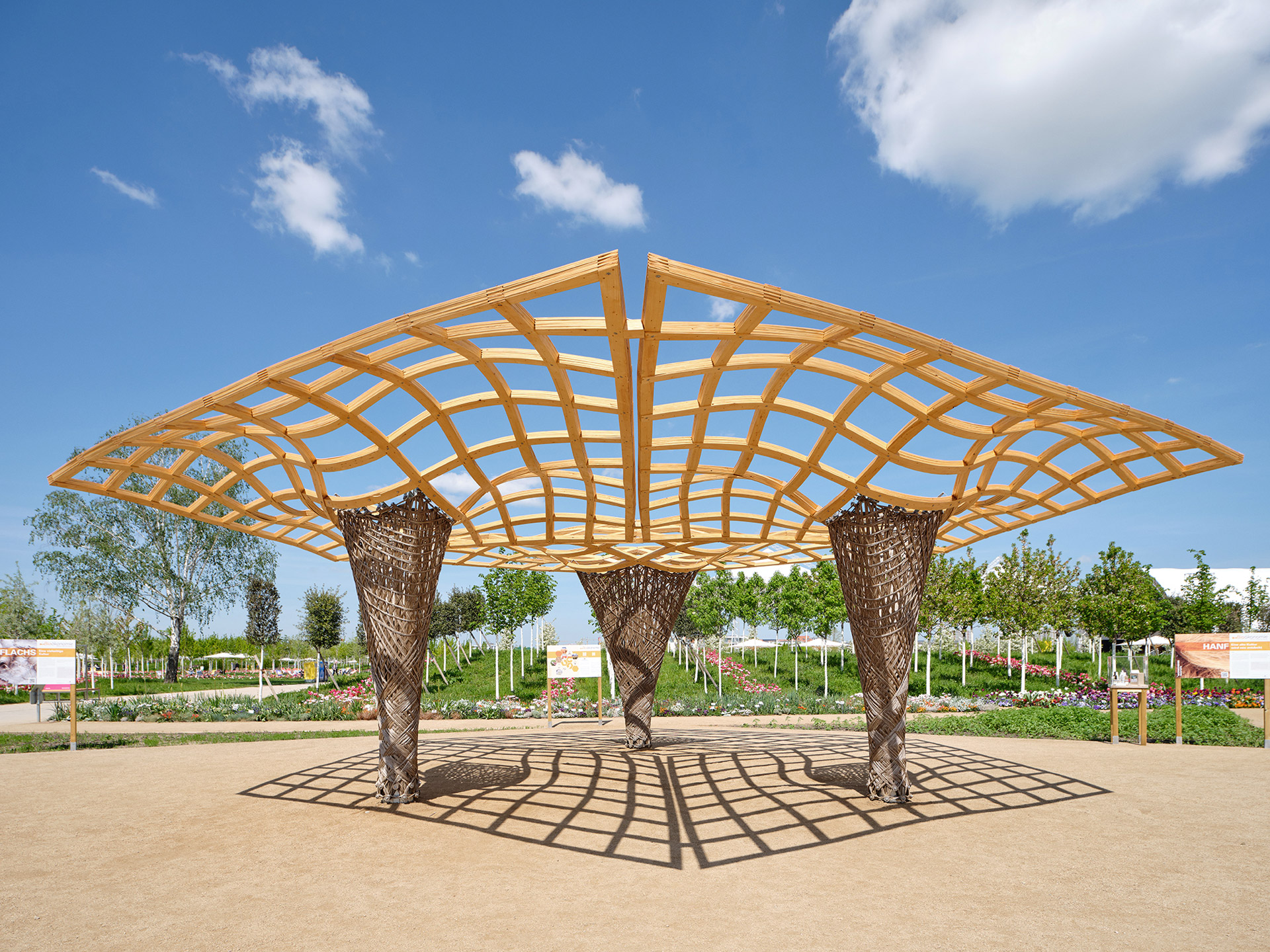
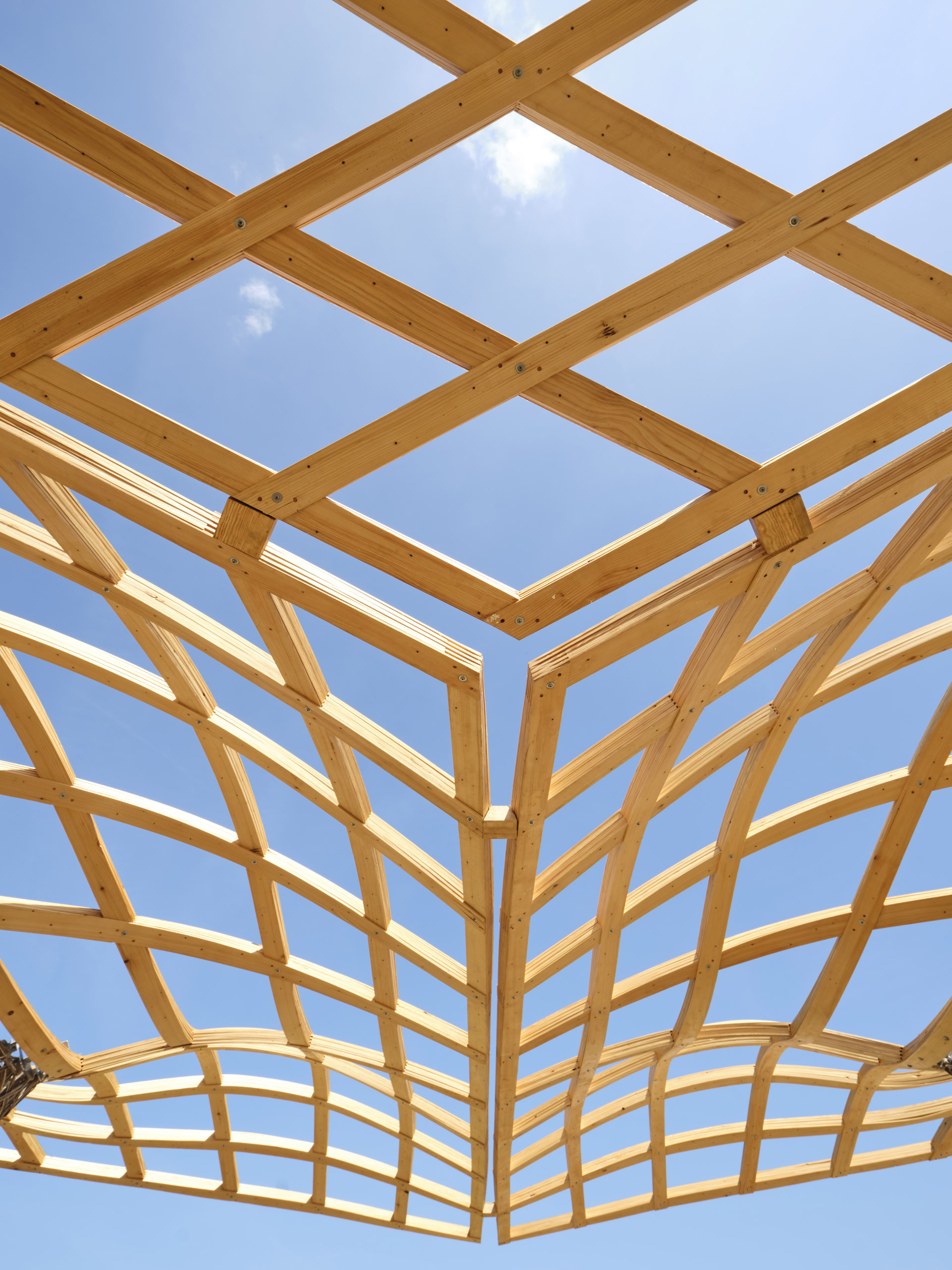
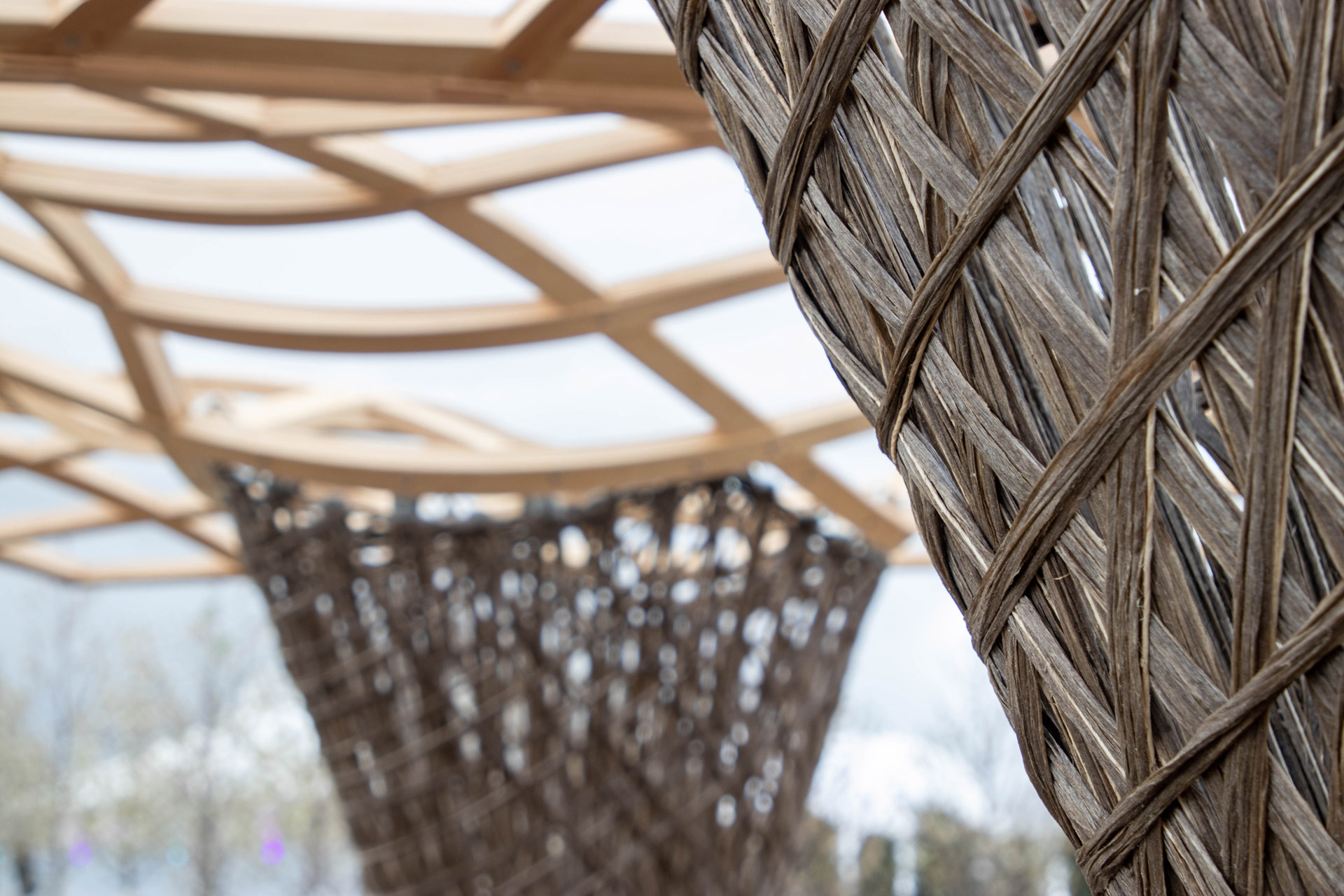
Rather than imposing a predefined geometry, the project investigates how architectural form can emerge from the logic of material behaviour, construction sequencing, and fabrication constraints. The system combines flax fibre columns and a timber lamella roof structure, allowing the final spatial configuration to be shaped by the interaction between material properties and assembly processes.

Role

-Research Associate

Material Logic and Construction Process

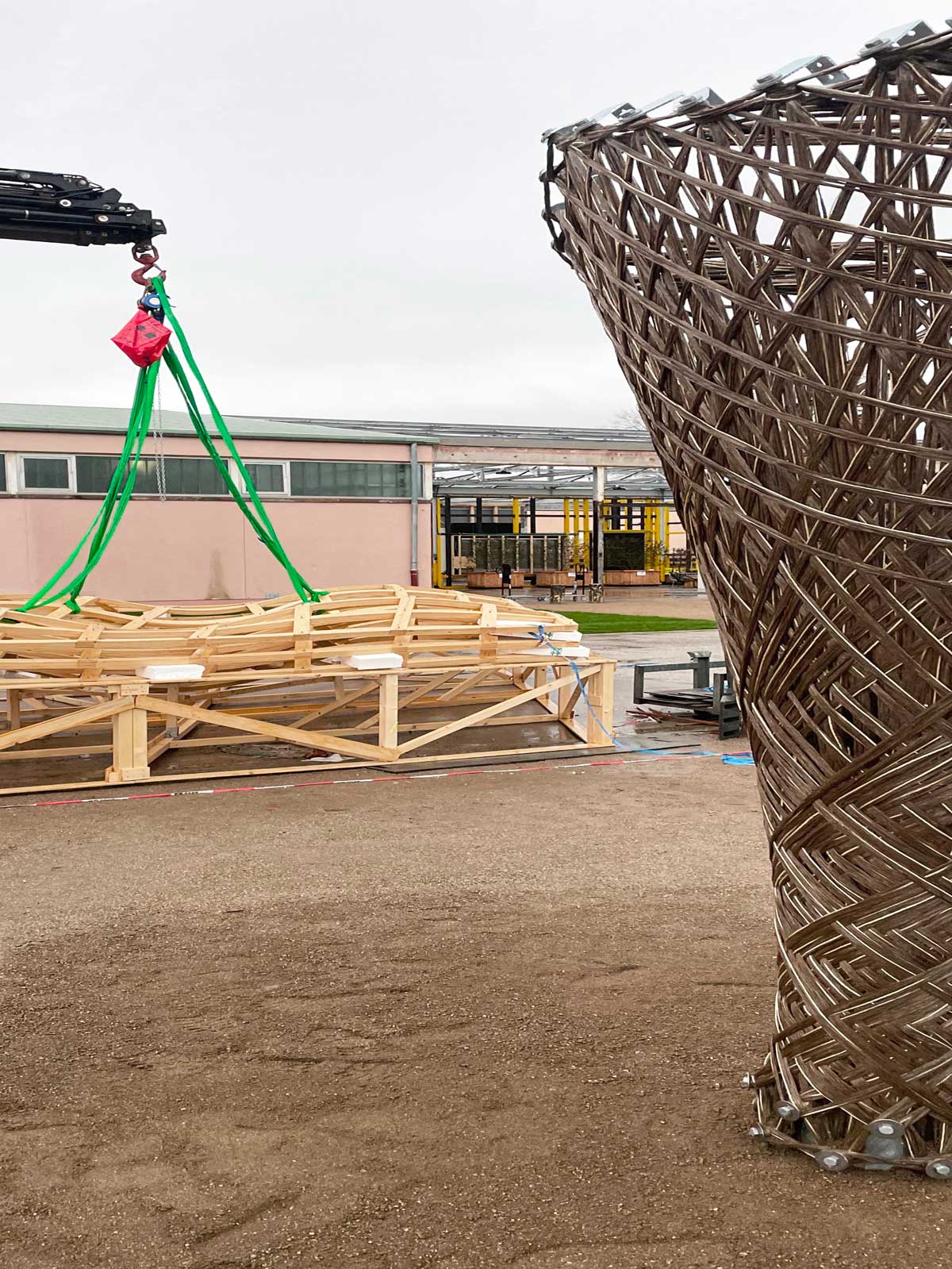
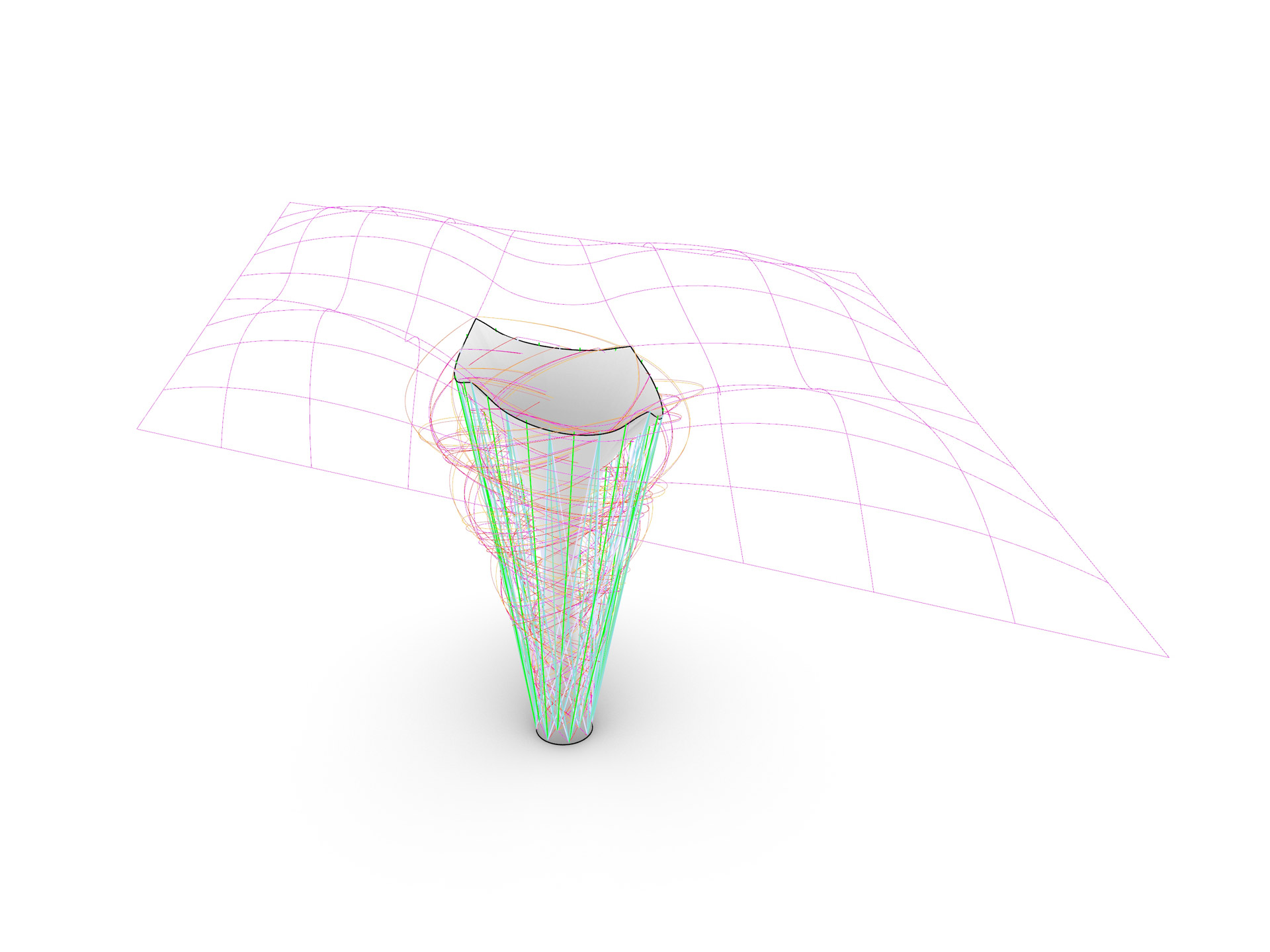
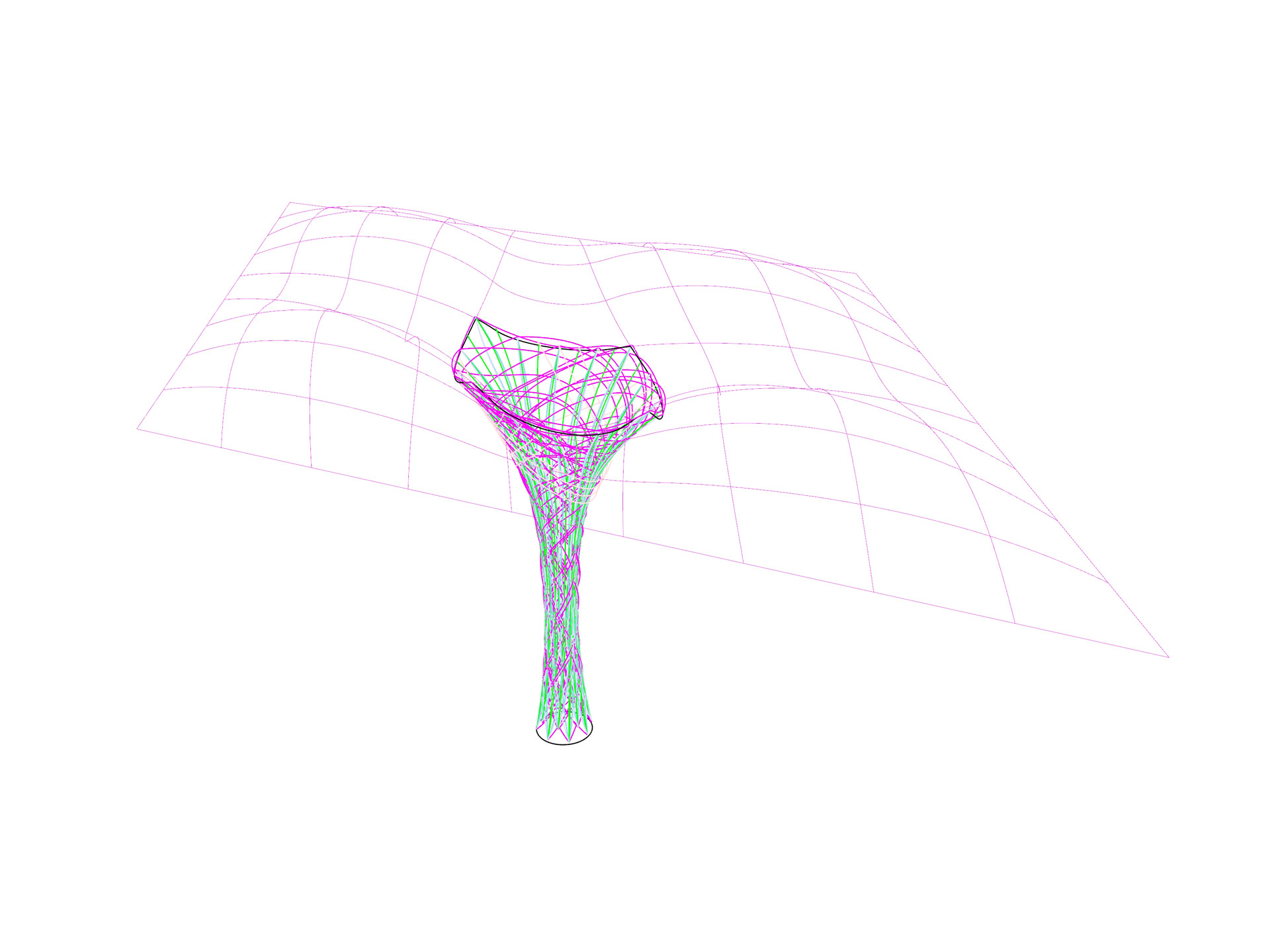
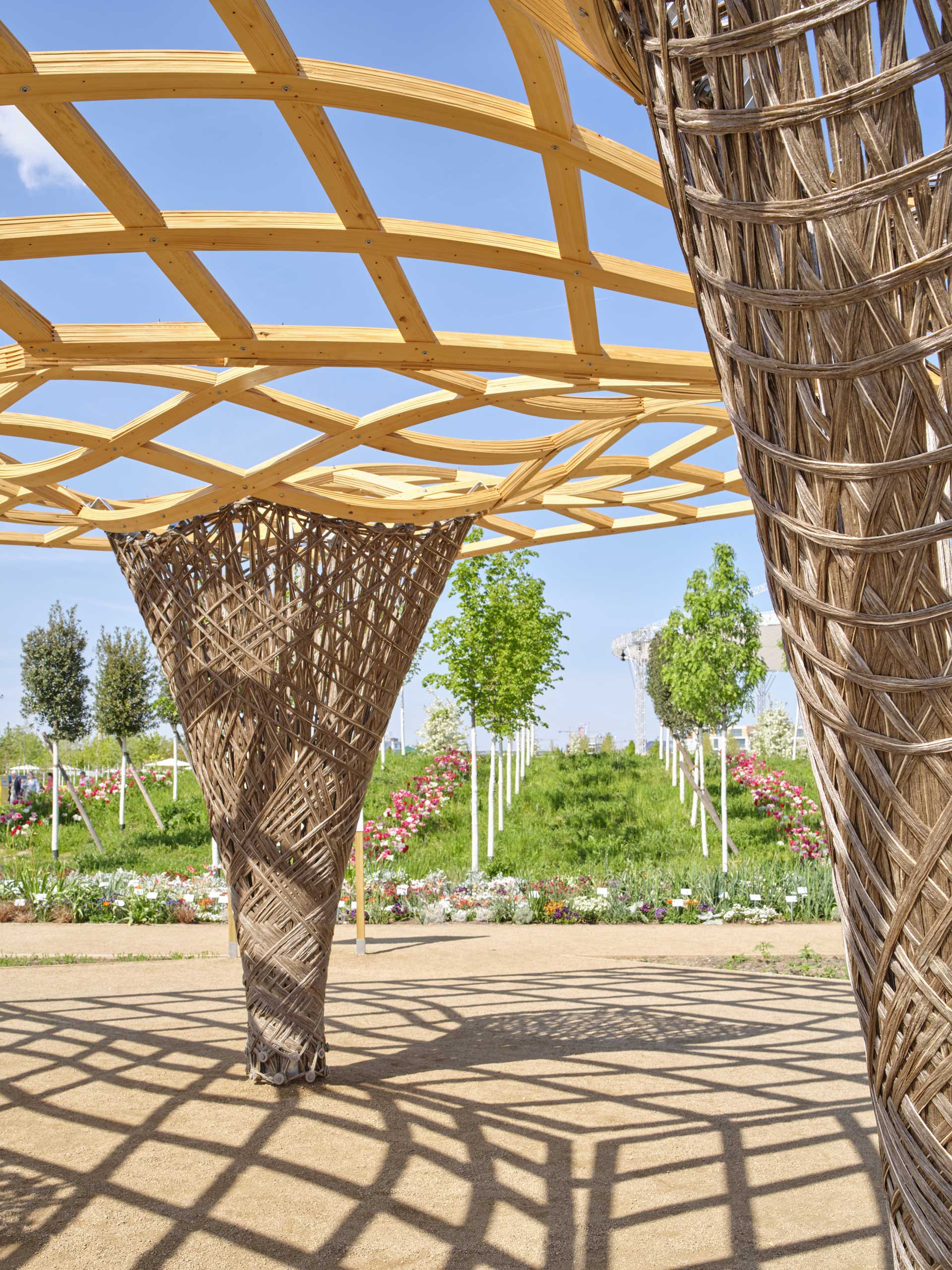
The vertical load-bearing elements are executed as flax fibre columns, developed through a fibre-based construction logic in which tensile capacity, fibre orientation, and bundling strategies define both structural performance and geometric outcome. These columns are not conceived as fixed geometric objects, but as adaptive elements whose form evolves through the construction process itself.
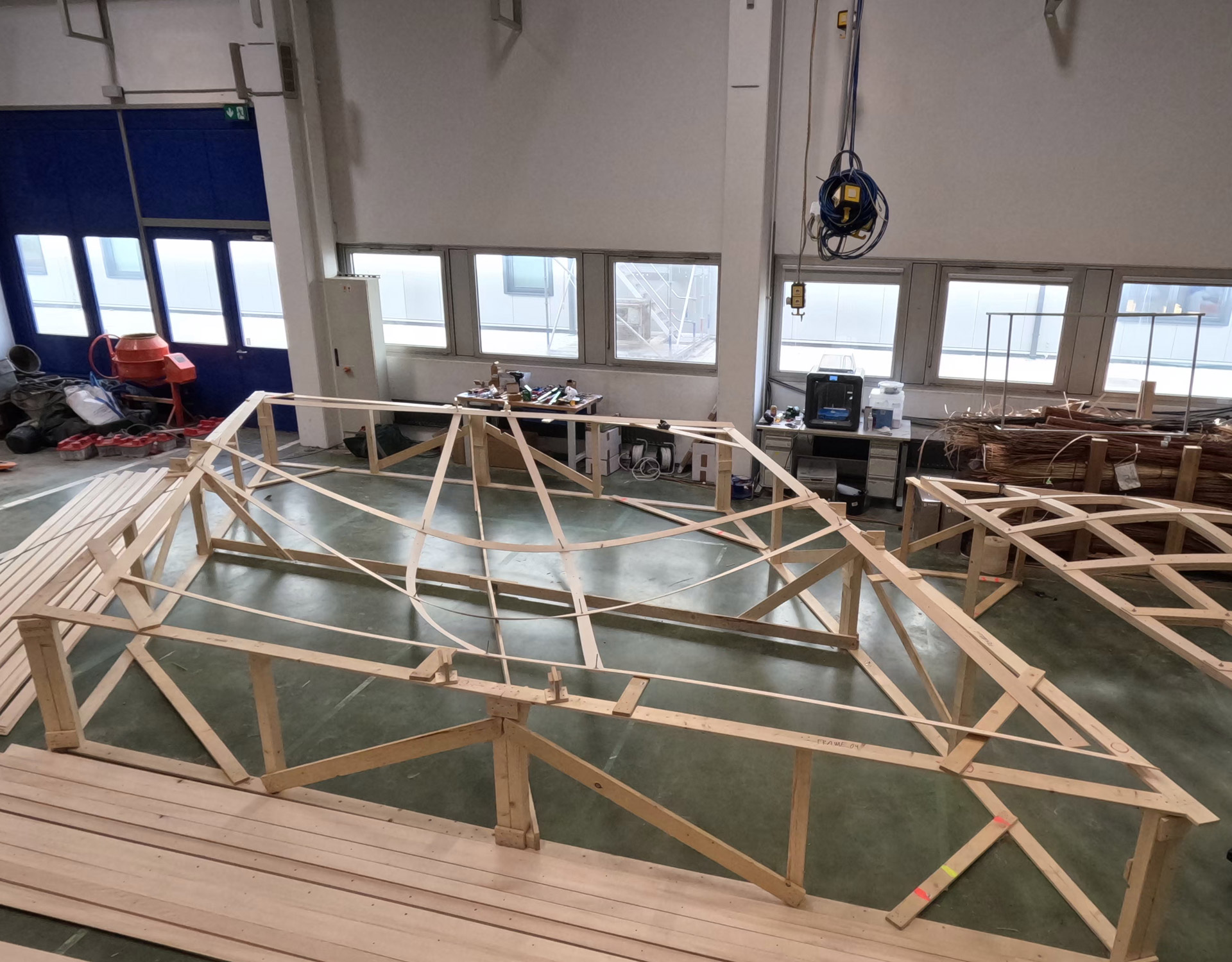
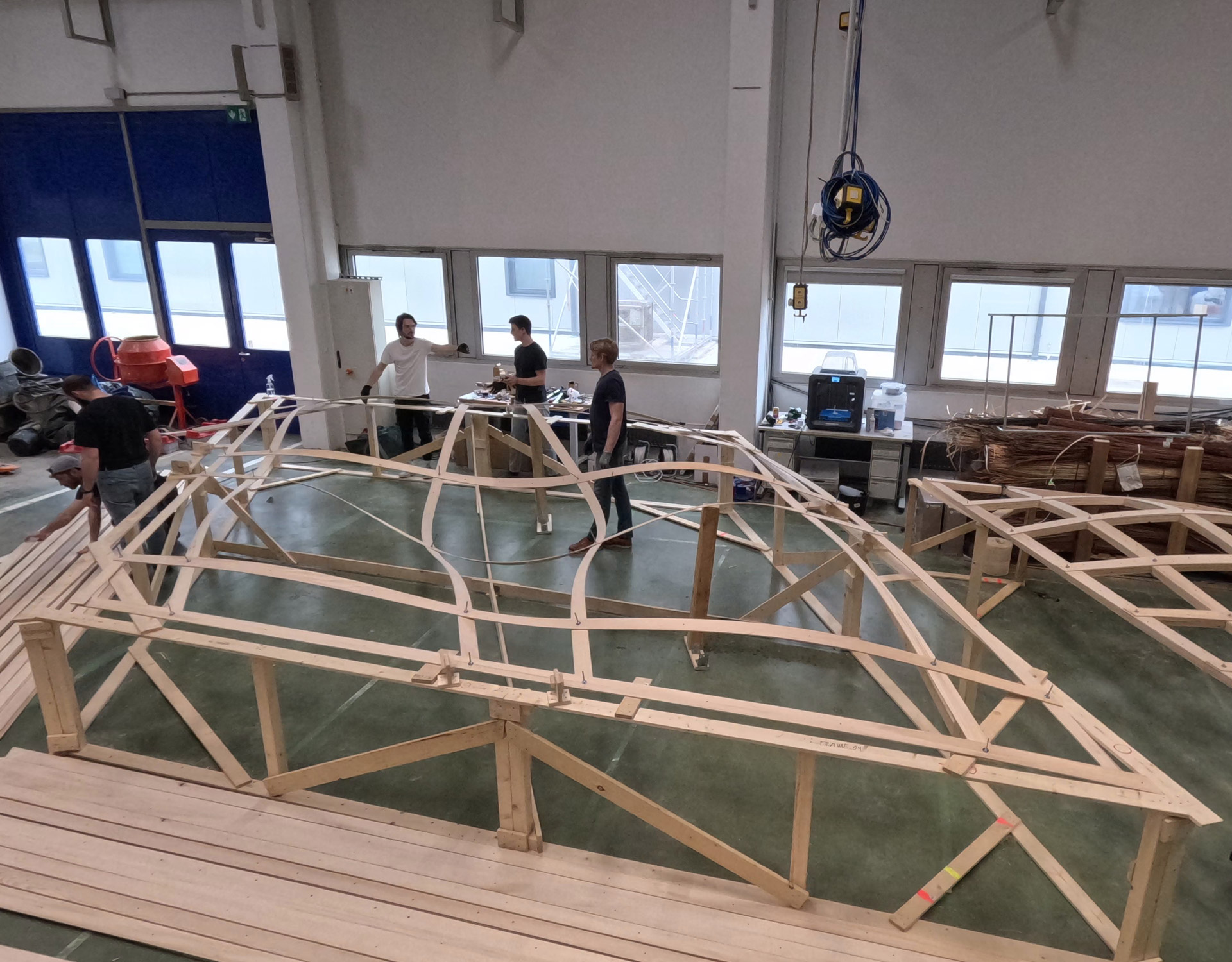
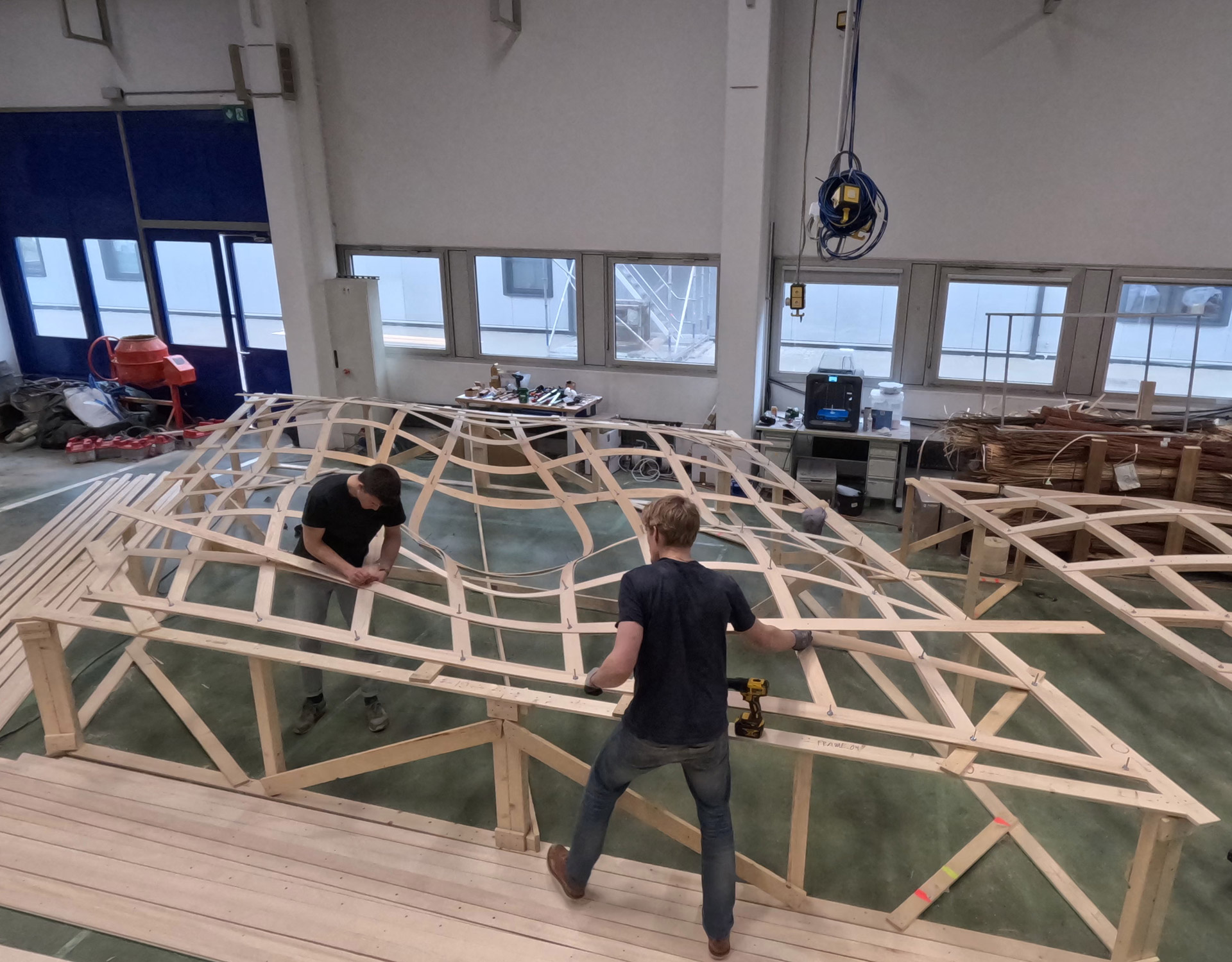
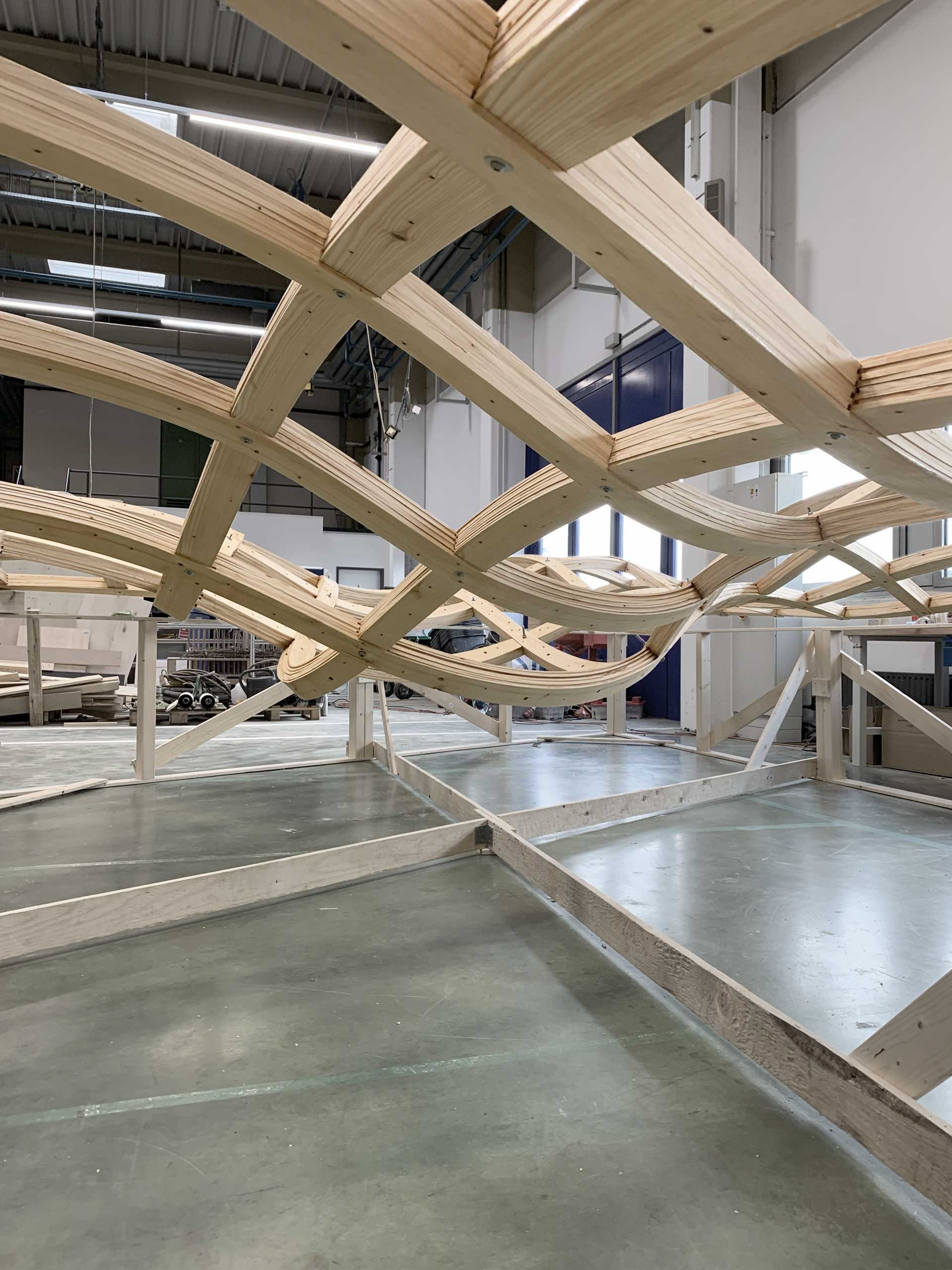
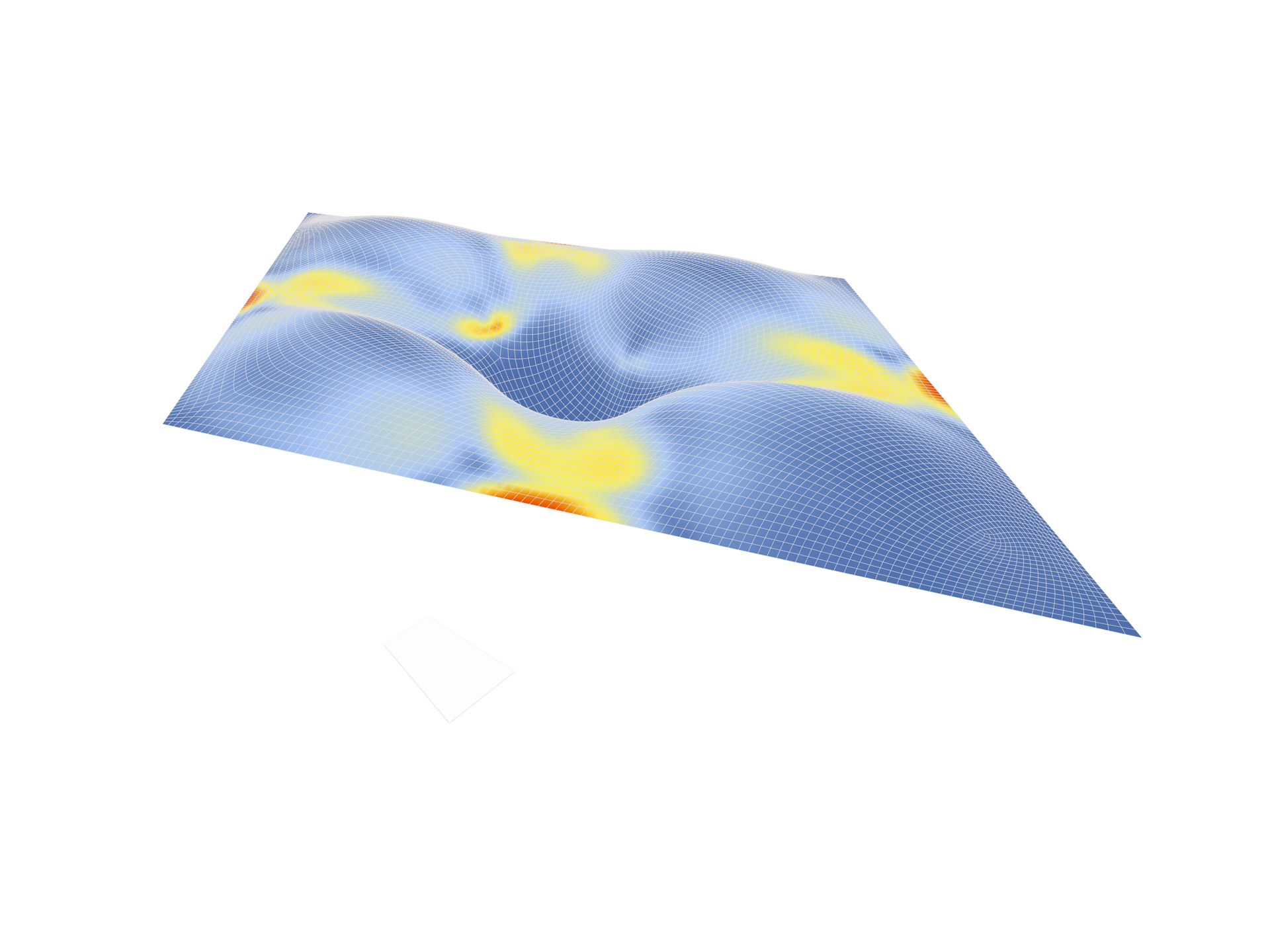
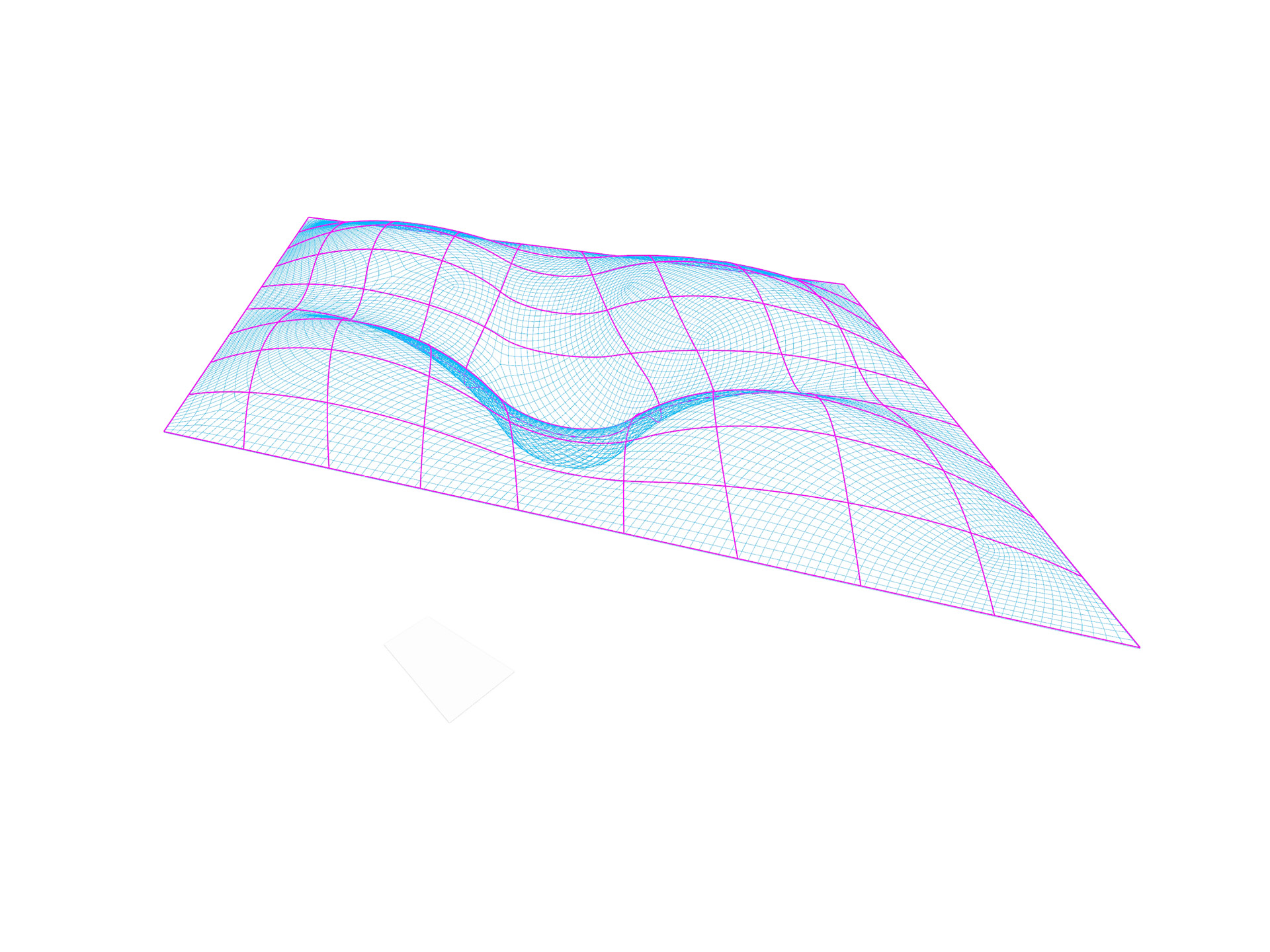
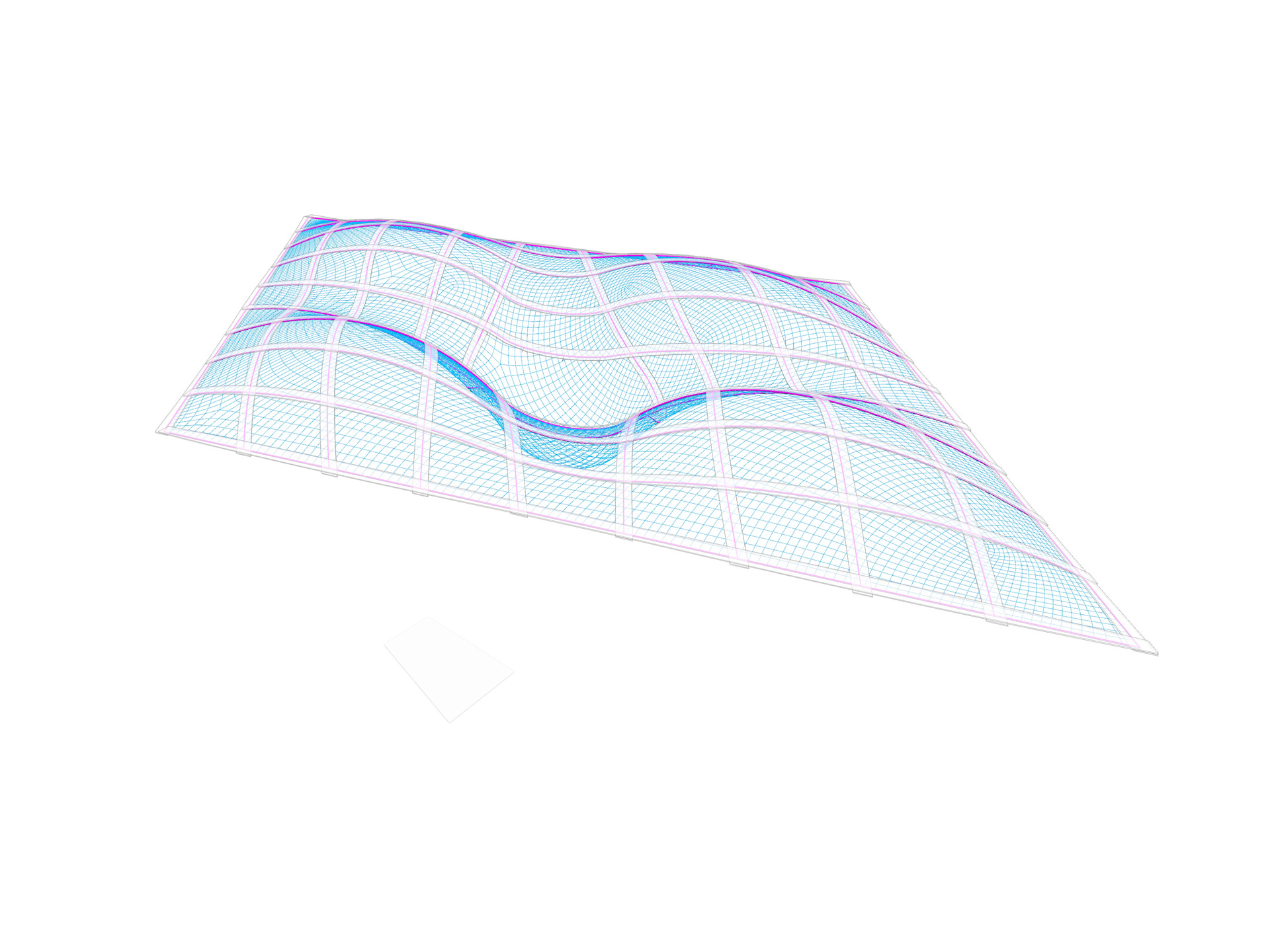
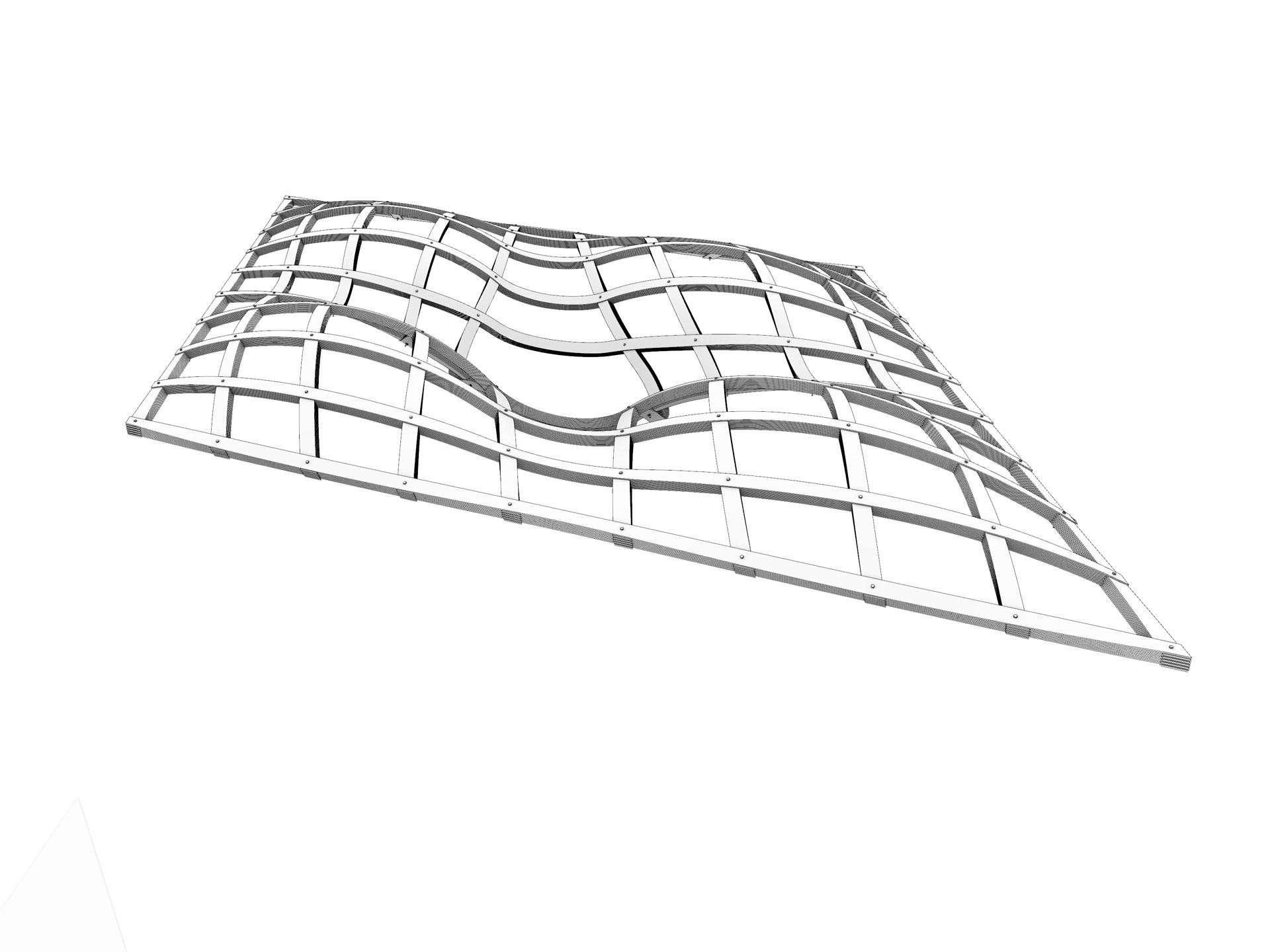
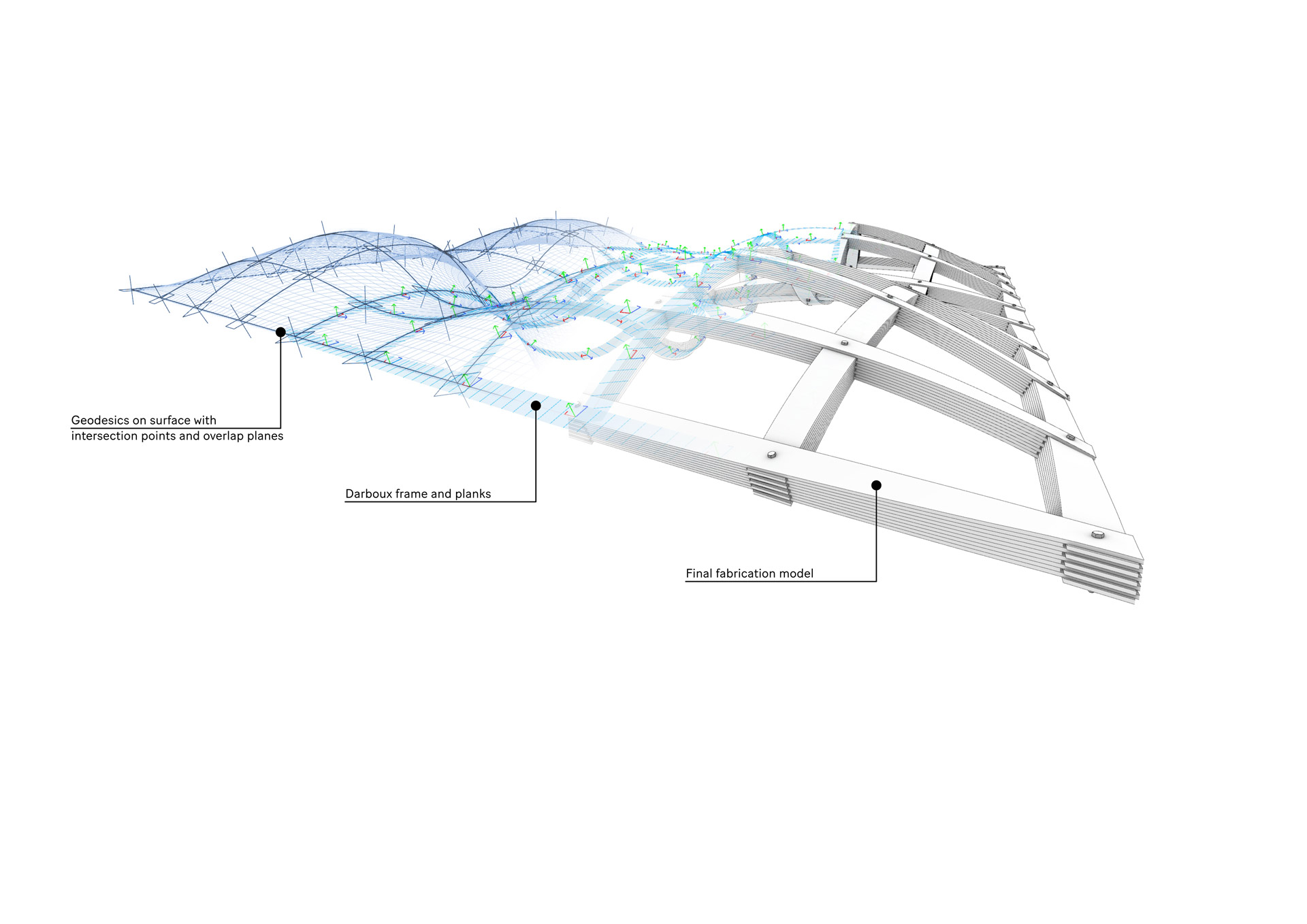
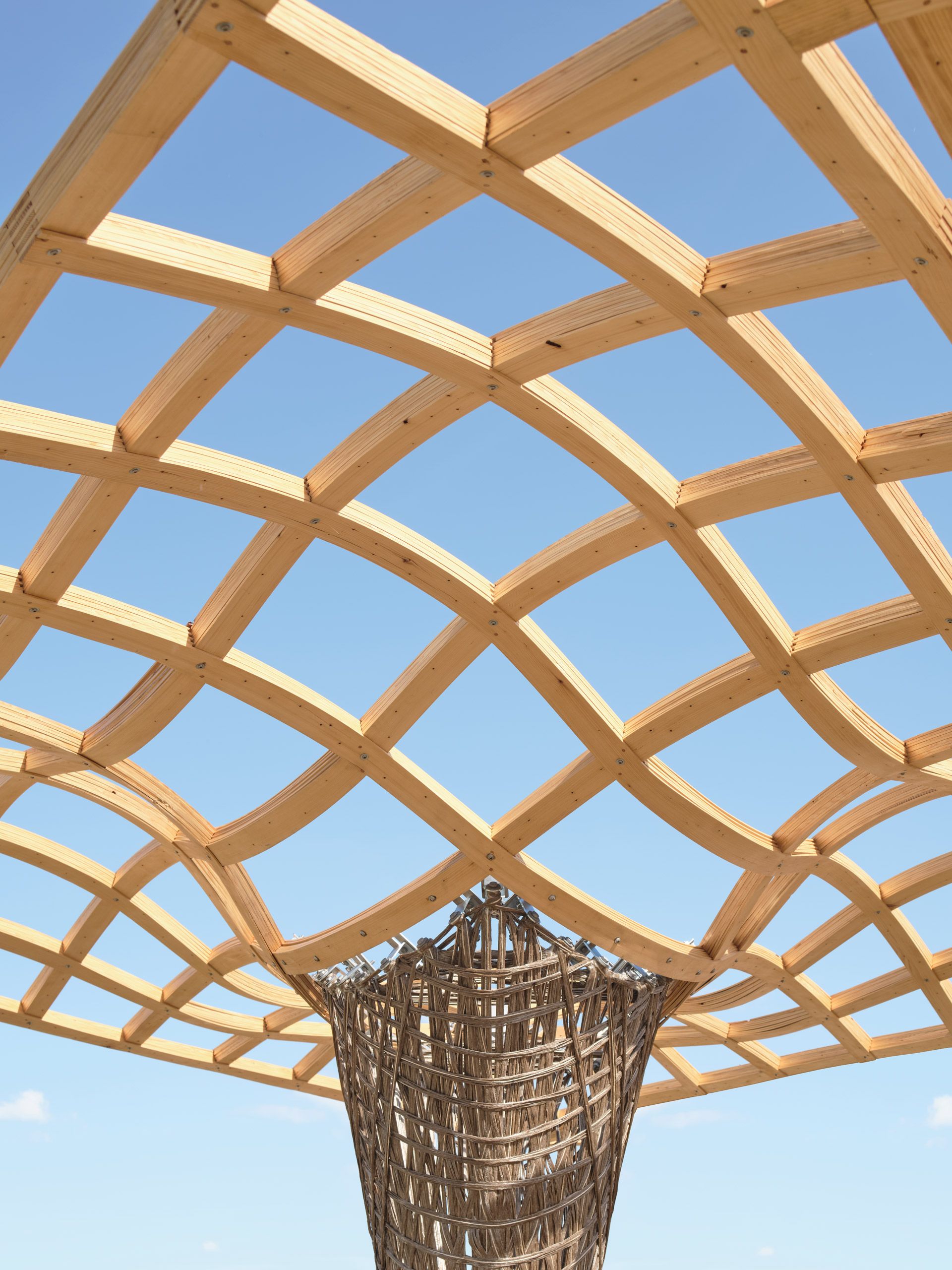
The roof structure is formed by a system of timber lamellas, assembled incrementally to respond to the spatial and structural conditions generated by the columns below. The lamella configuration follows a construction logic rooted in bending behaviour, material continuity, and assembly feasibility, allowing the canopy geometry to remain flexible and responsive during execution.

Digital Design and Fabrication

Digital design and fabrication play a central role in translating material behaviour into controlled construction processes. Computational tools and algorithmic workflows are used to guide fibre placement, define timber lamella arrangements, and coordinate assembly sequences, ensuring that material constraints and construction logic are embedded directly into the design process.
Similar to the Residence project, the research integrates natural materials with digital fabrication and automation, demonstrating how computational design can support material-efficient, low-impact construction systems. The project highlights a design methodology in which digital tools do not prescribe form, but rather facilitate an iterative feedback loop between material, fabrication, and construction, enabling architecture to emerge from the logic of making.

Research Partners

Professur Digital Design and Fabrication DDF
Prof. Moritz Dörstelmann, Javier Fuentes, Daniel Fischer

Professur Design of Structures (dos)
Prof. Dr.-Ing. Riccardo La Magna, David Andersson Largueche, Michael Kalkbrenner

Research group Project and Resource Management of the Built Environment (IIP)
Dr. Rebekka Volk, Simon Steffl (IIP) 

FibR GmbH
Dr.-Ing. Julian Fial, Puree Srisuk