HALO VIGO

Industrialized Parametric Facade

July 2023

HALO VIGO

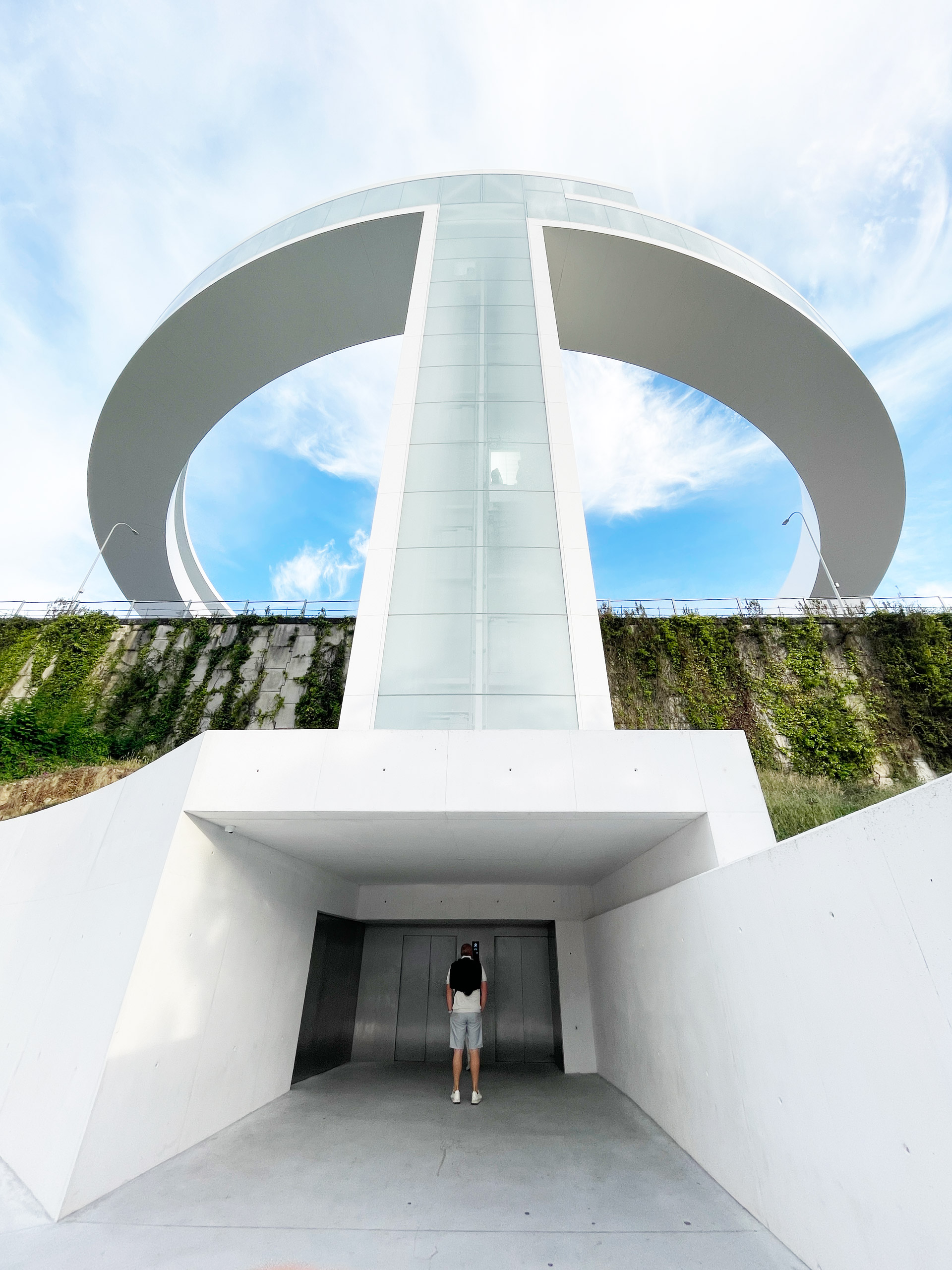
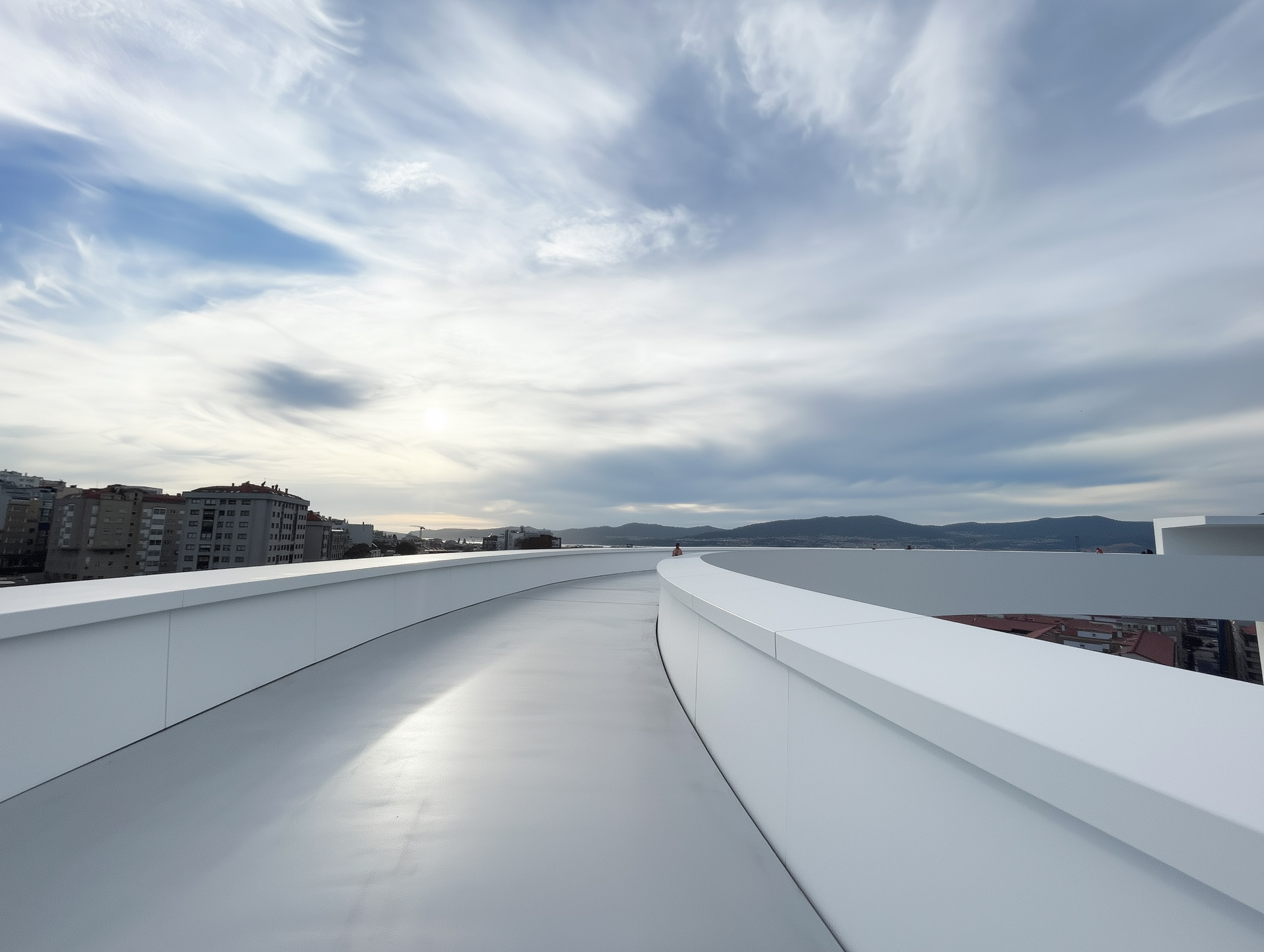
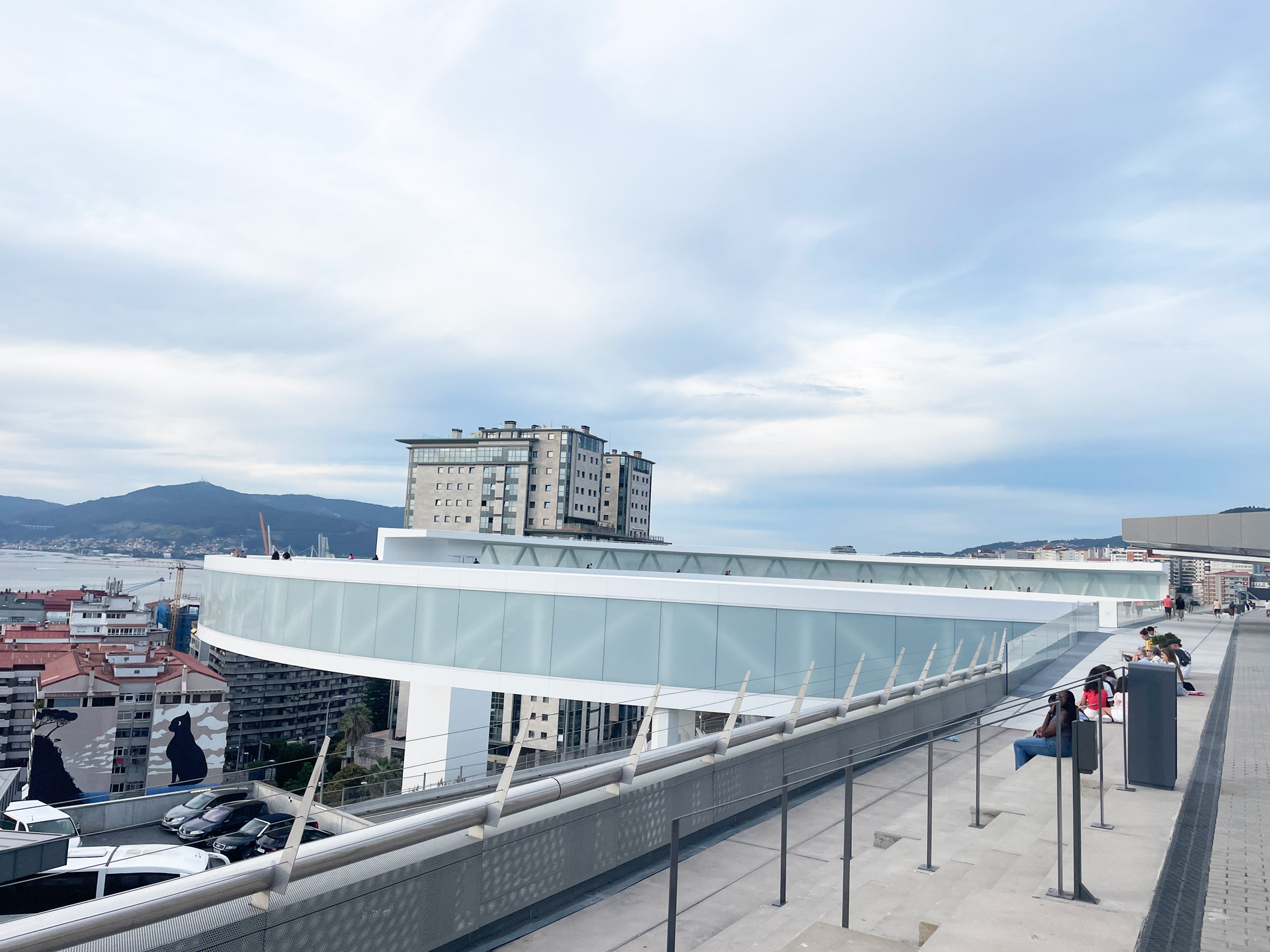
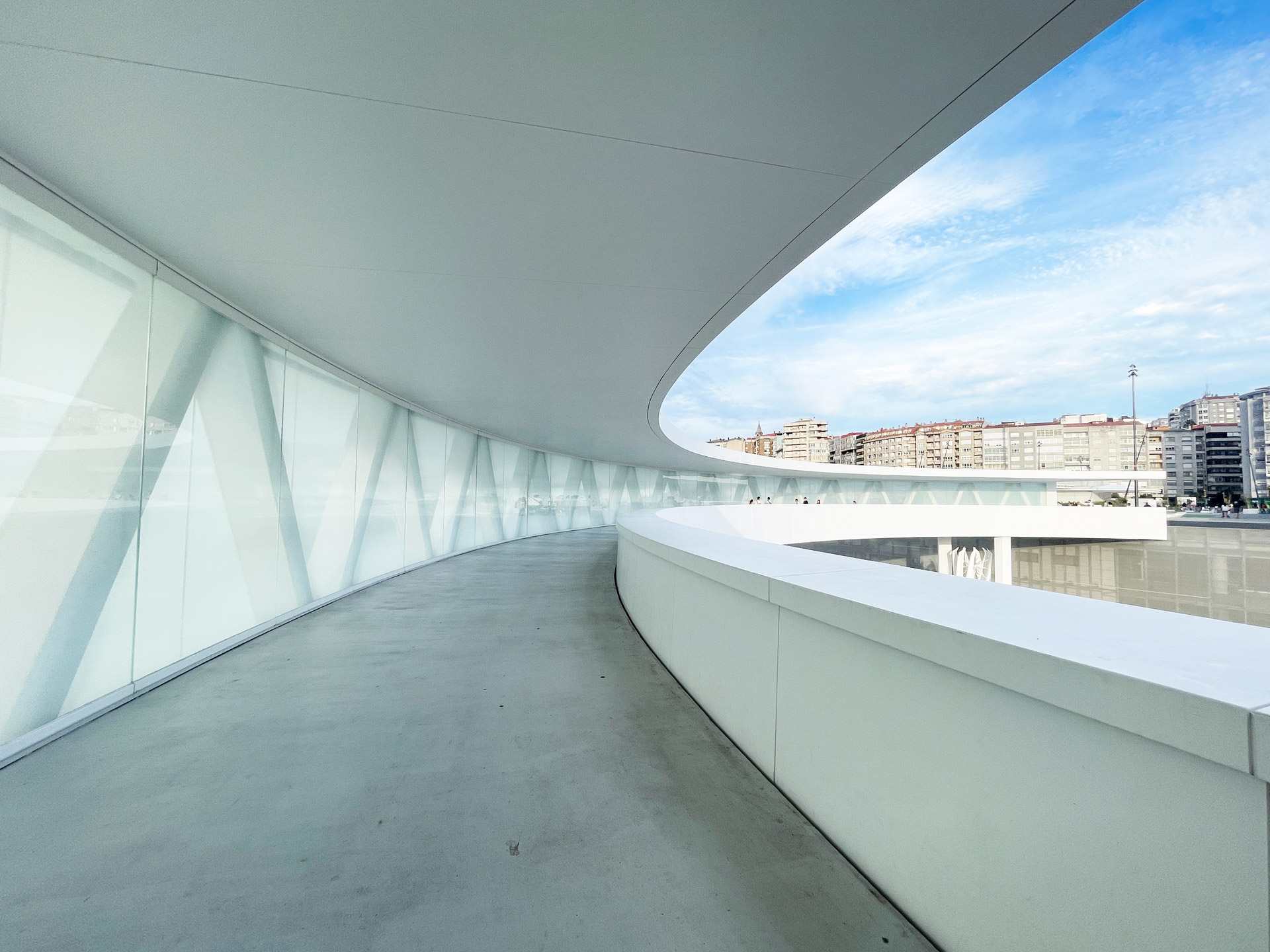
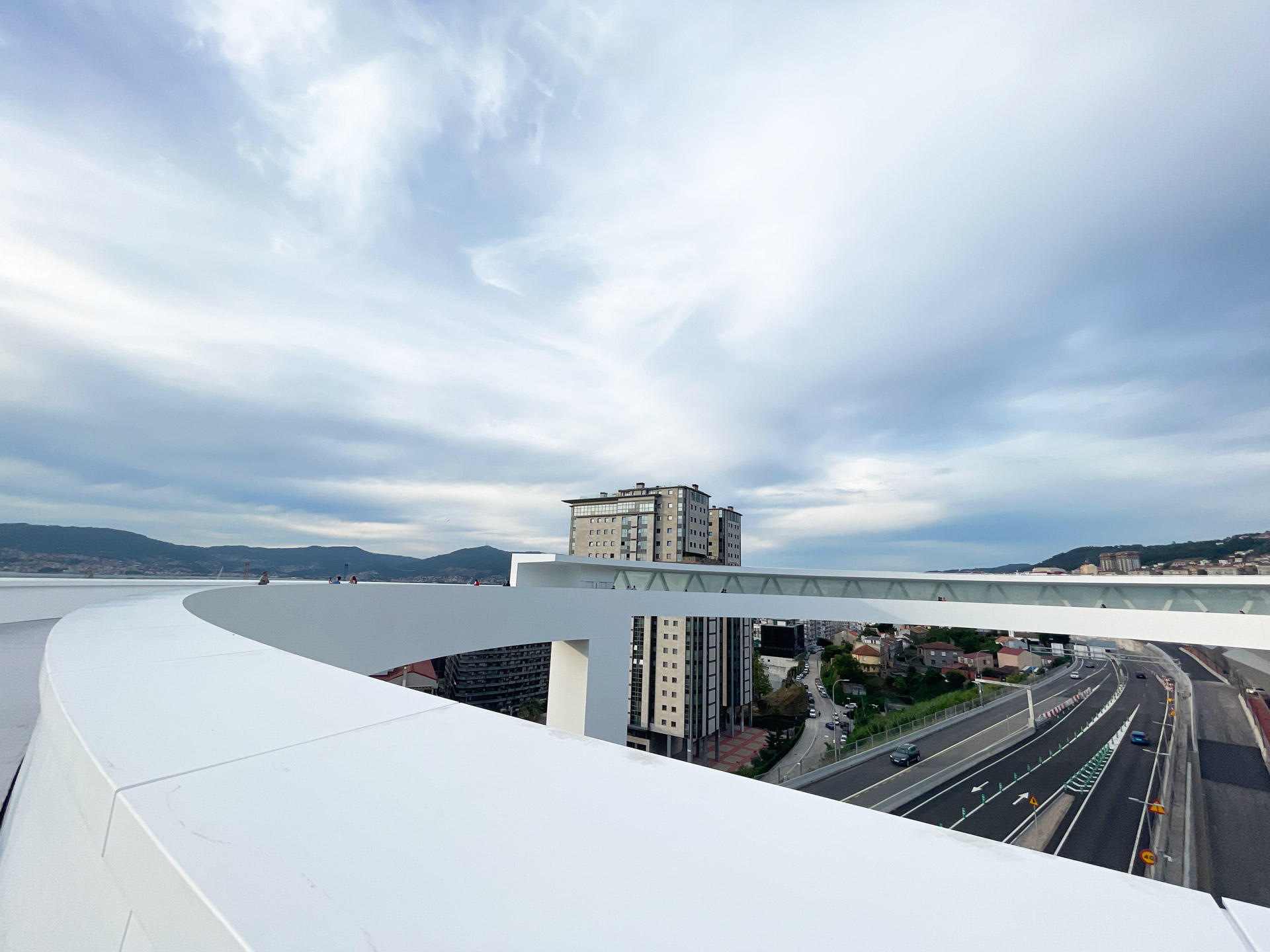
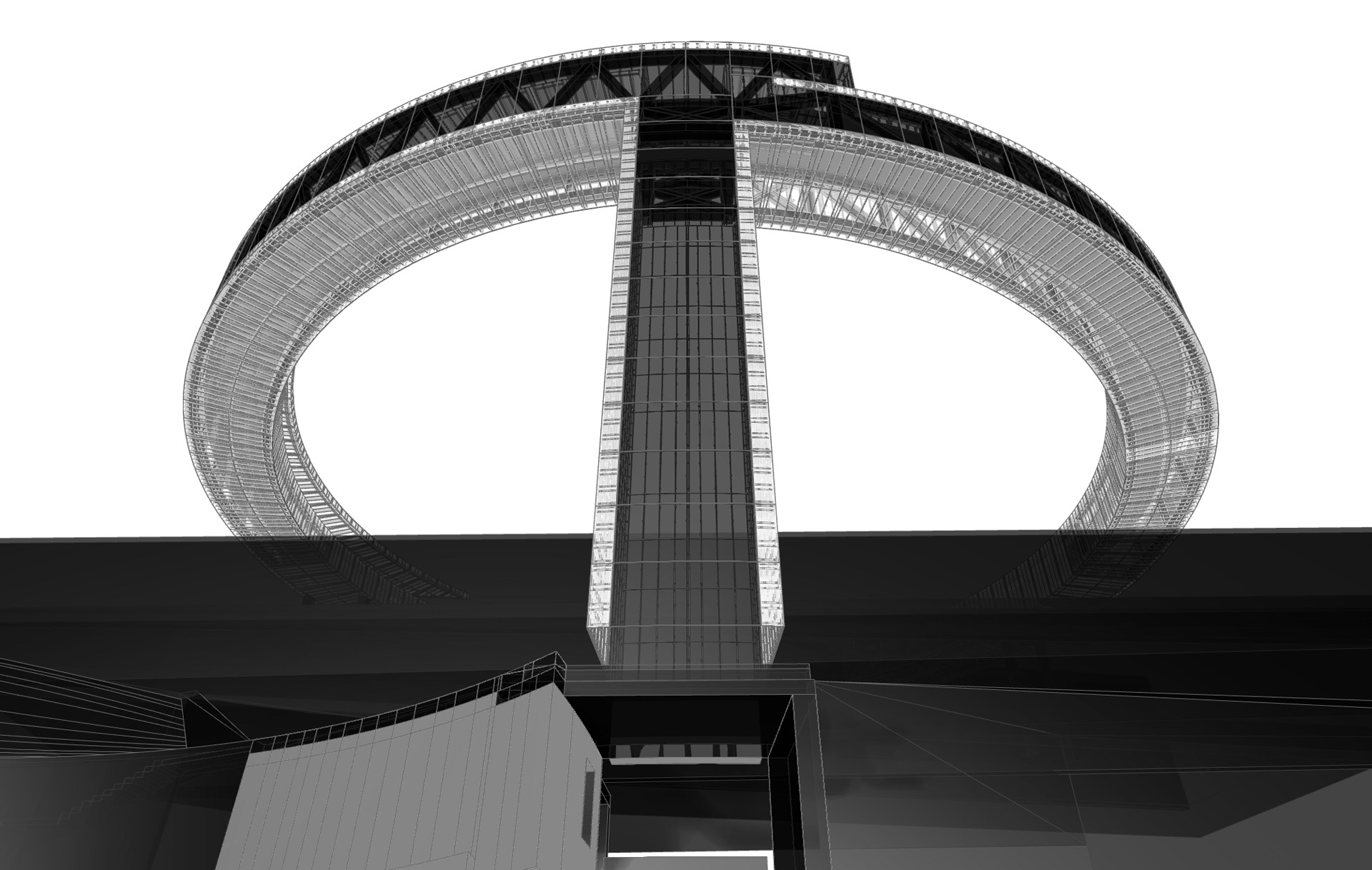
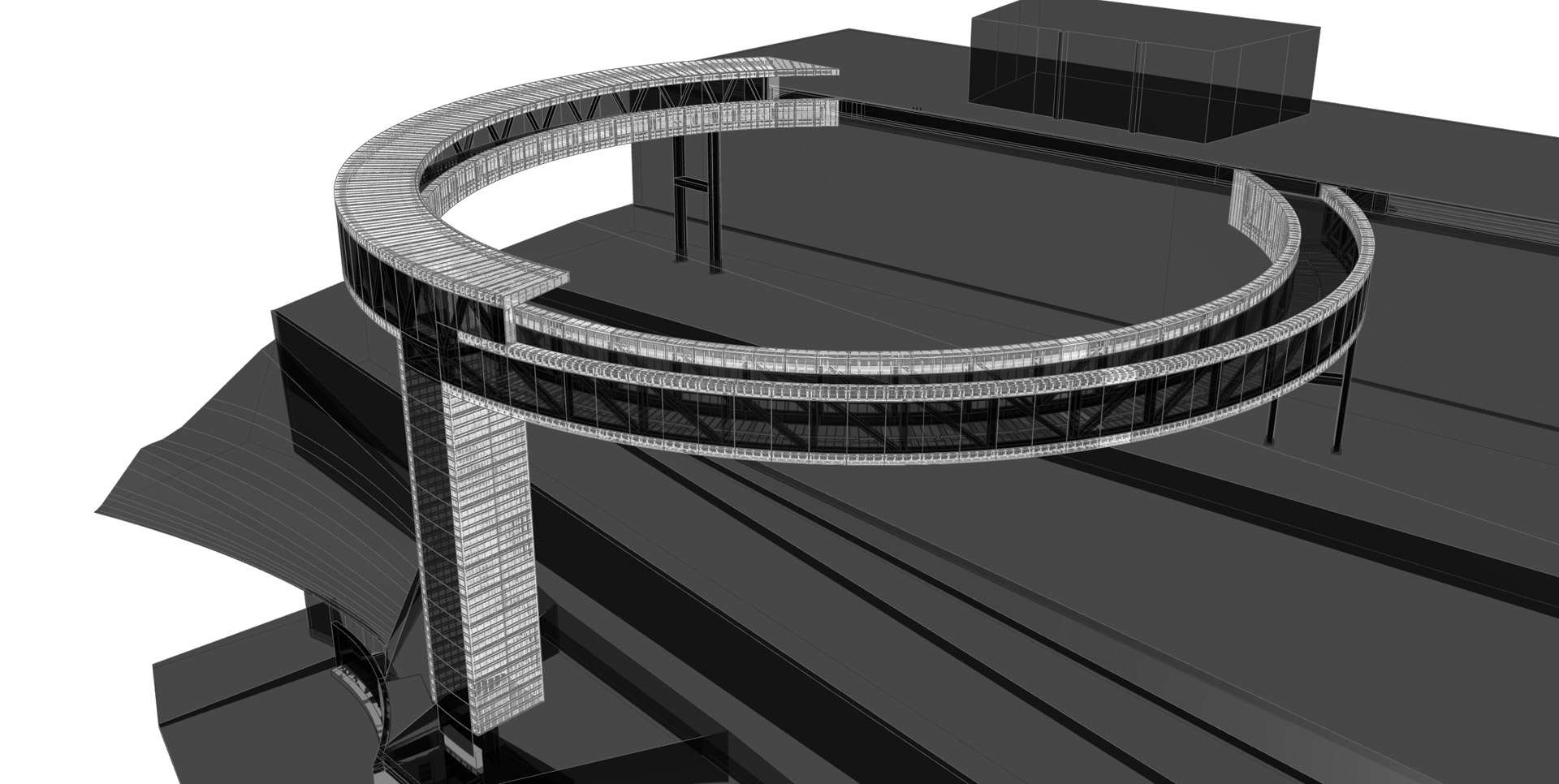
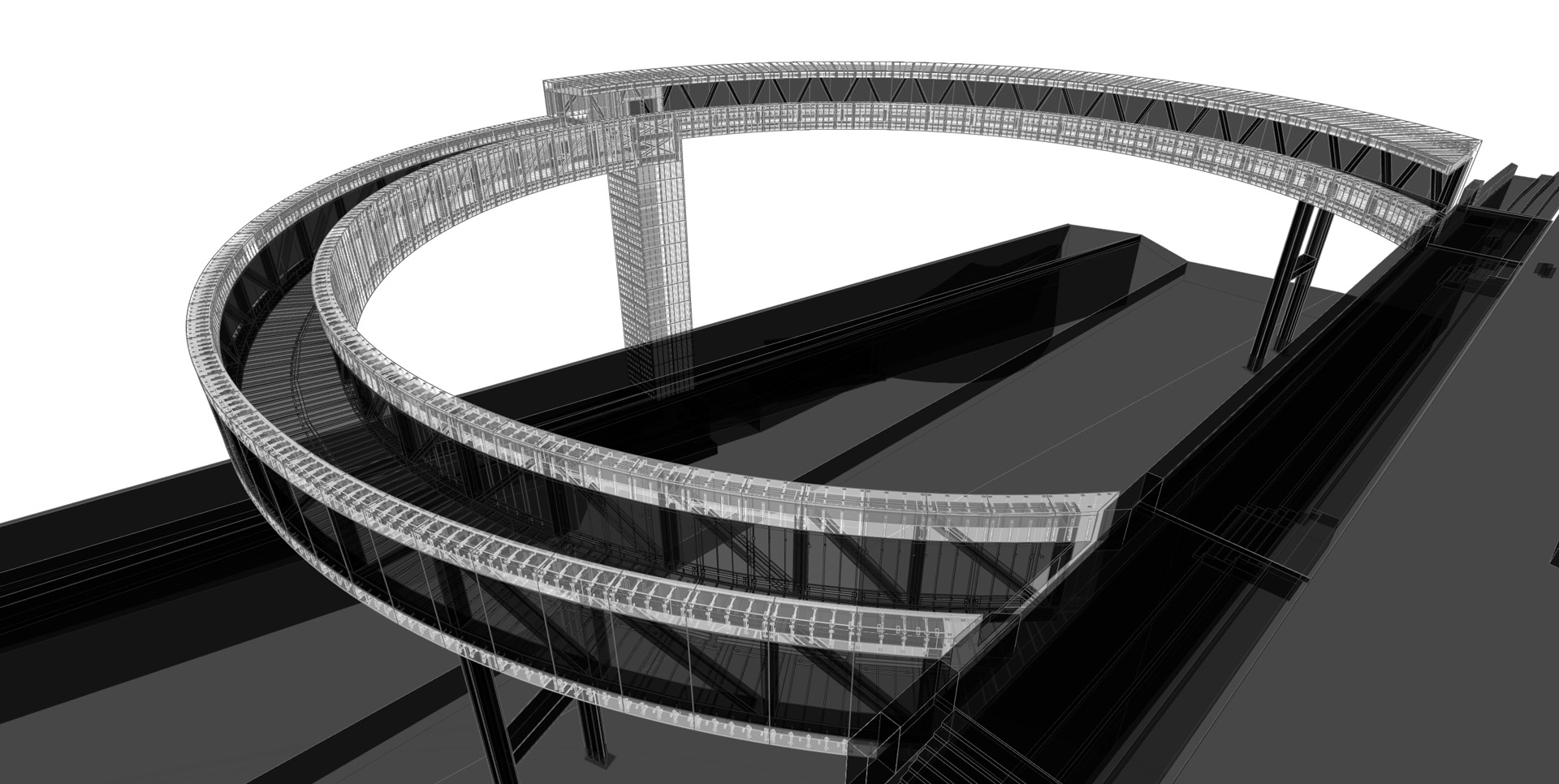
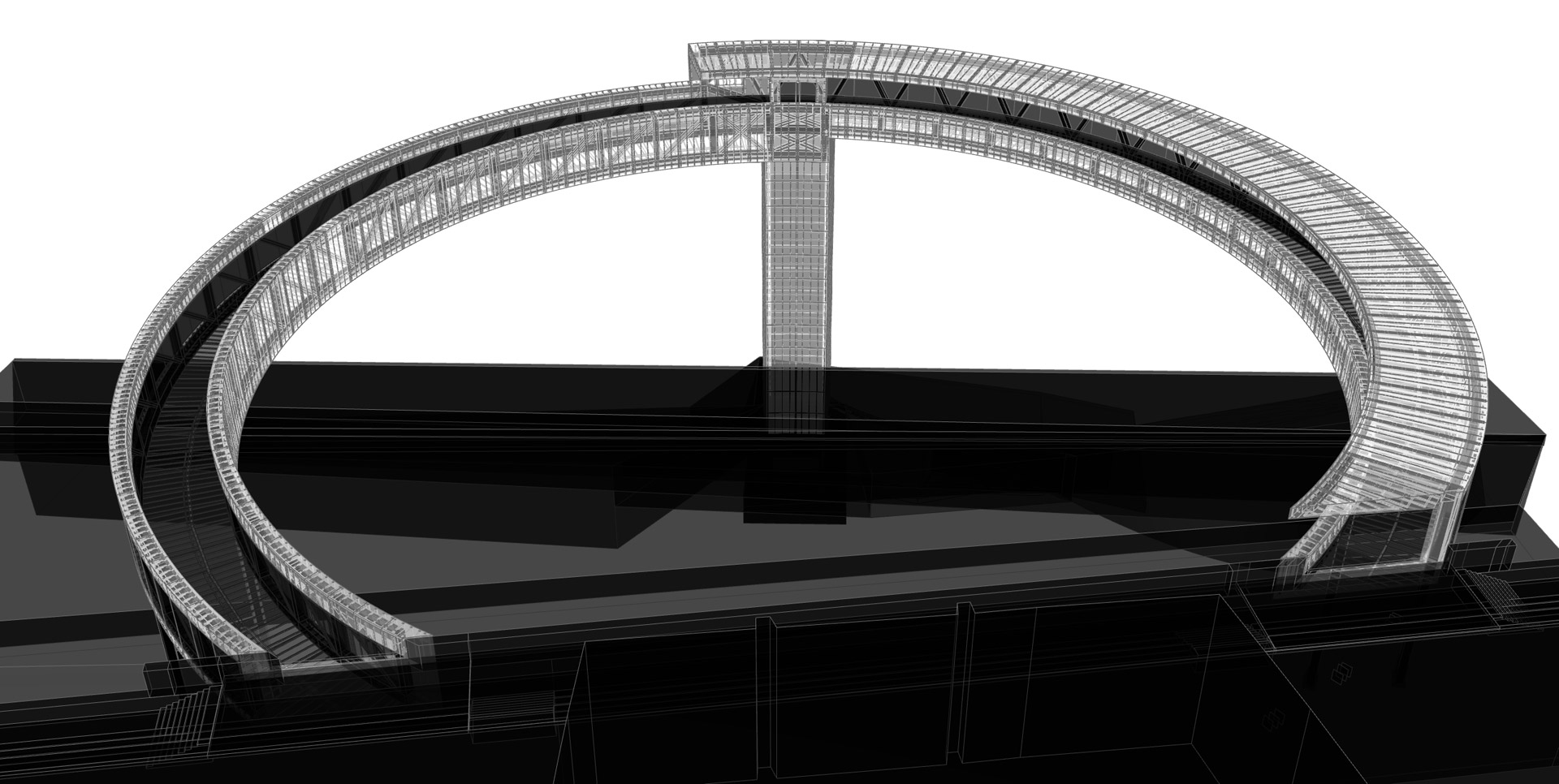
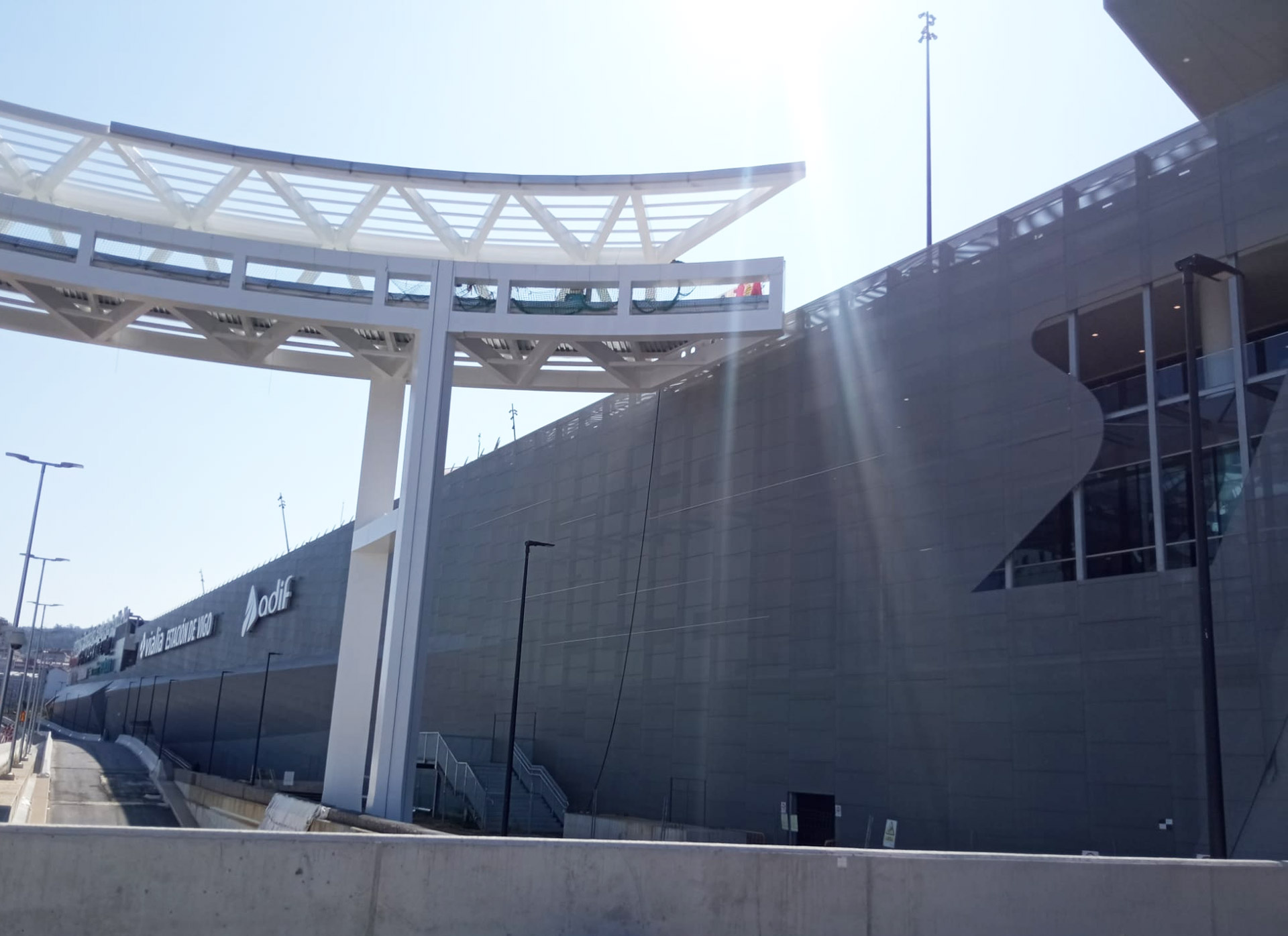
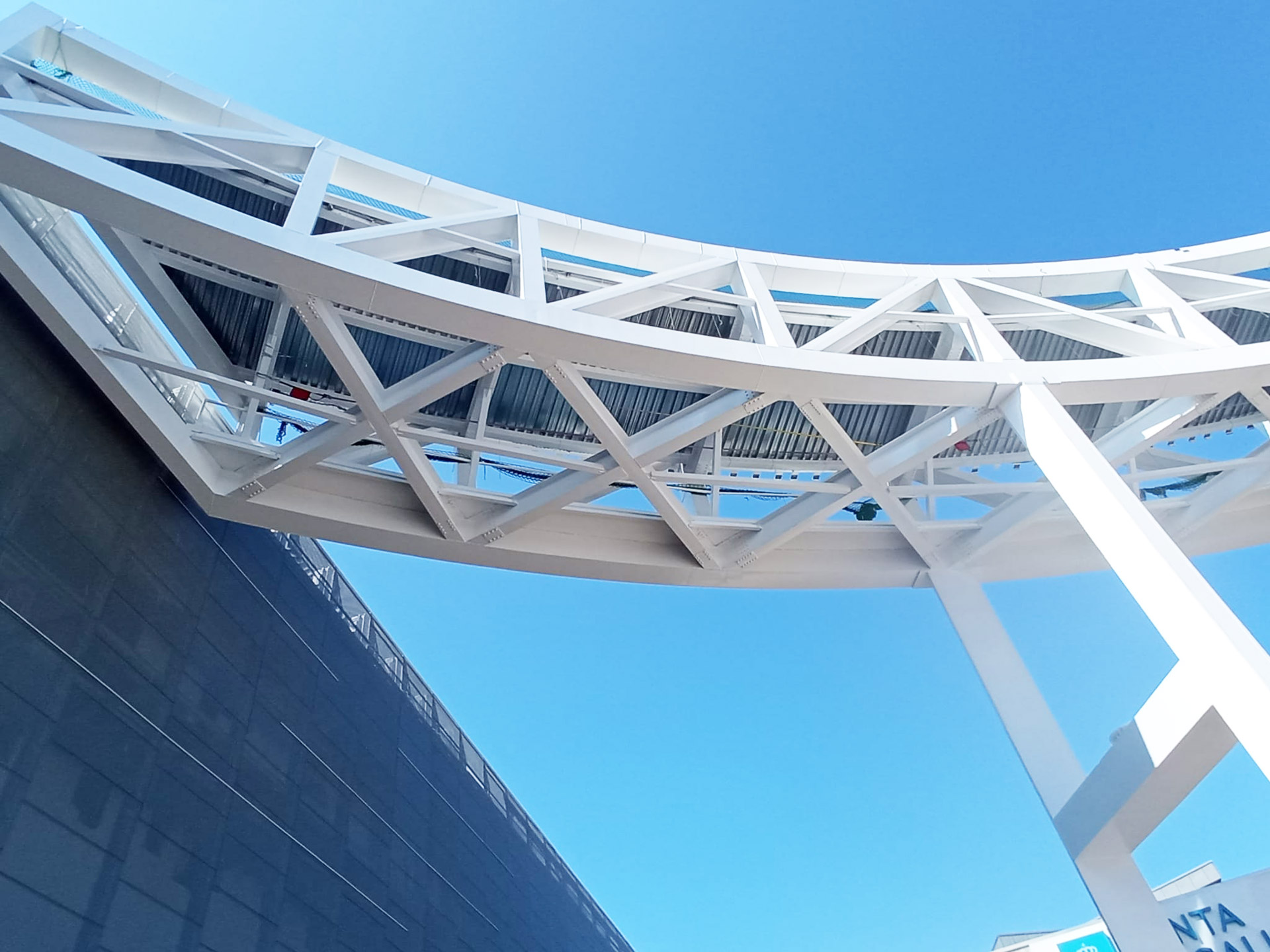
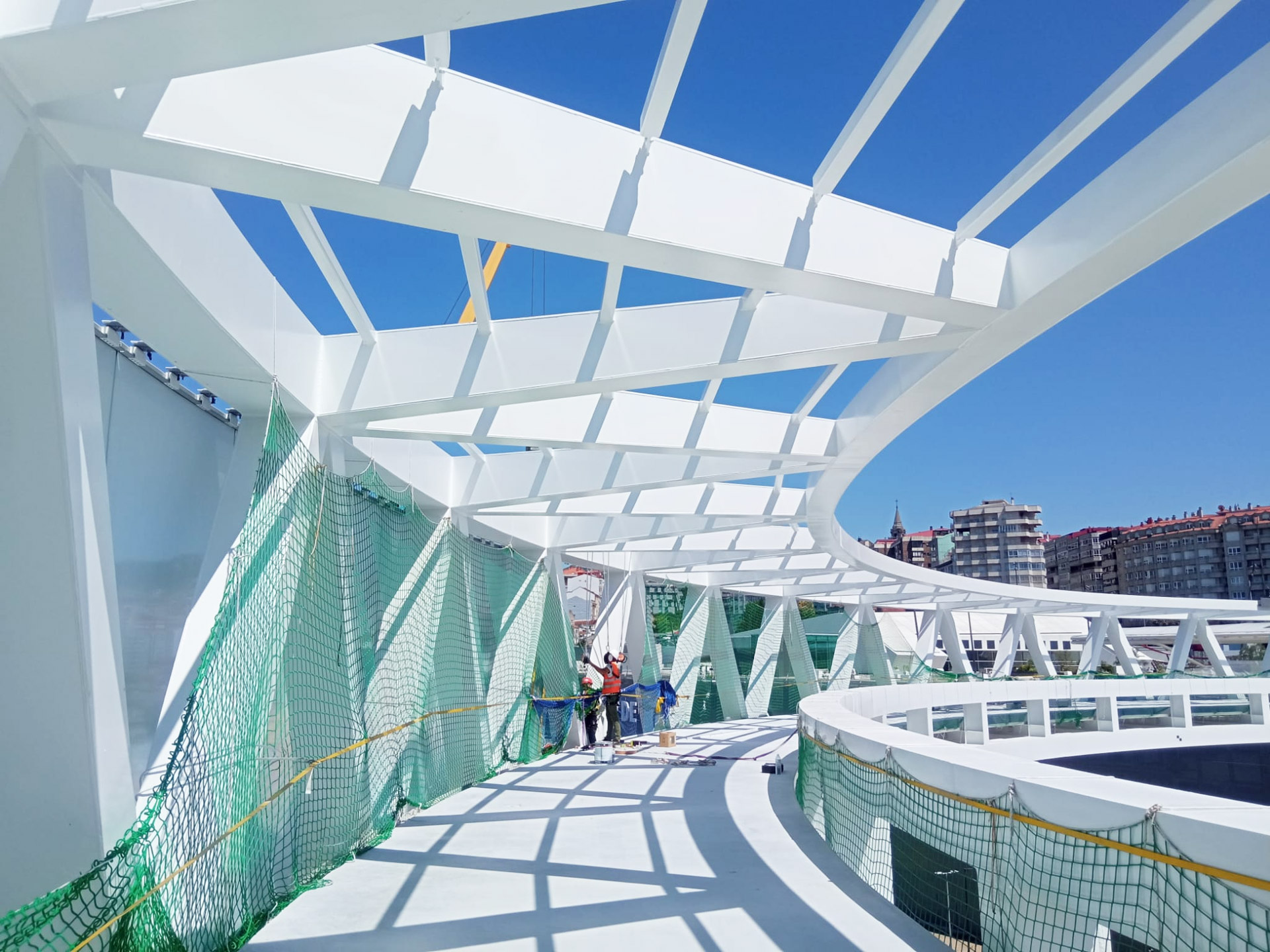
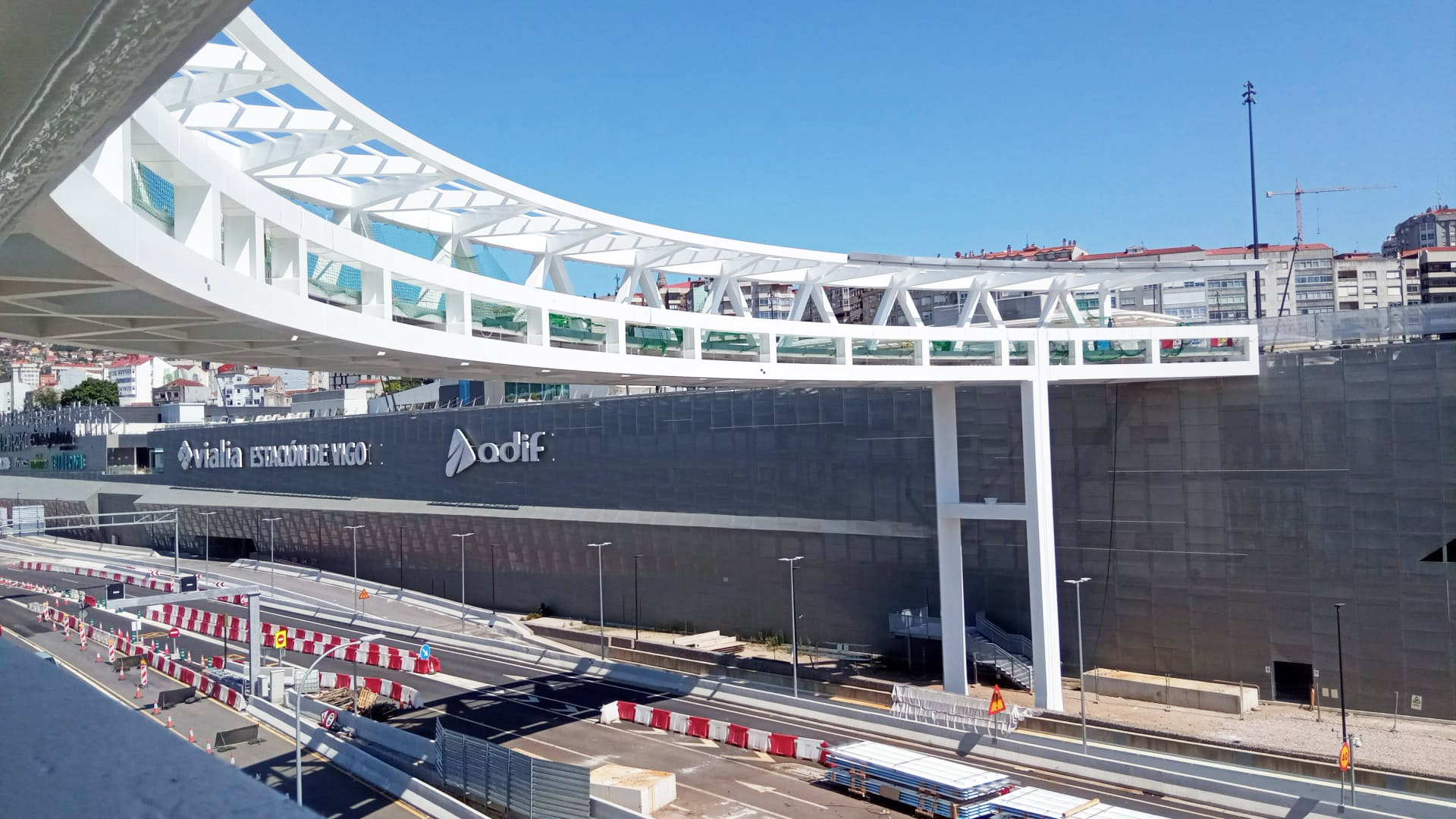
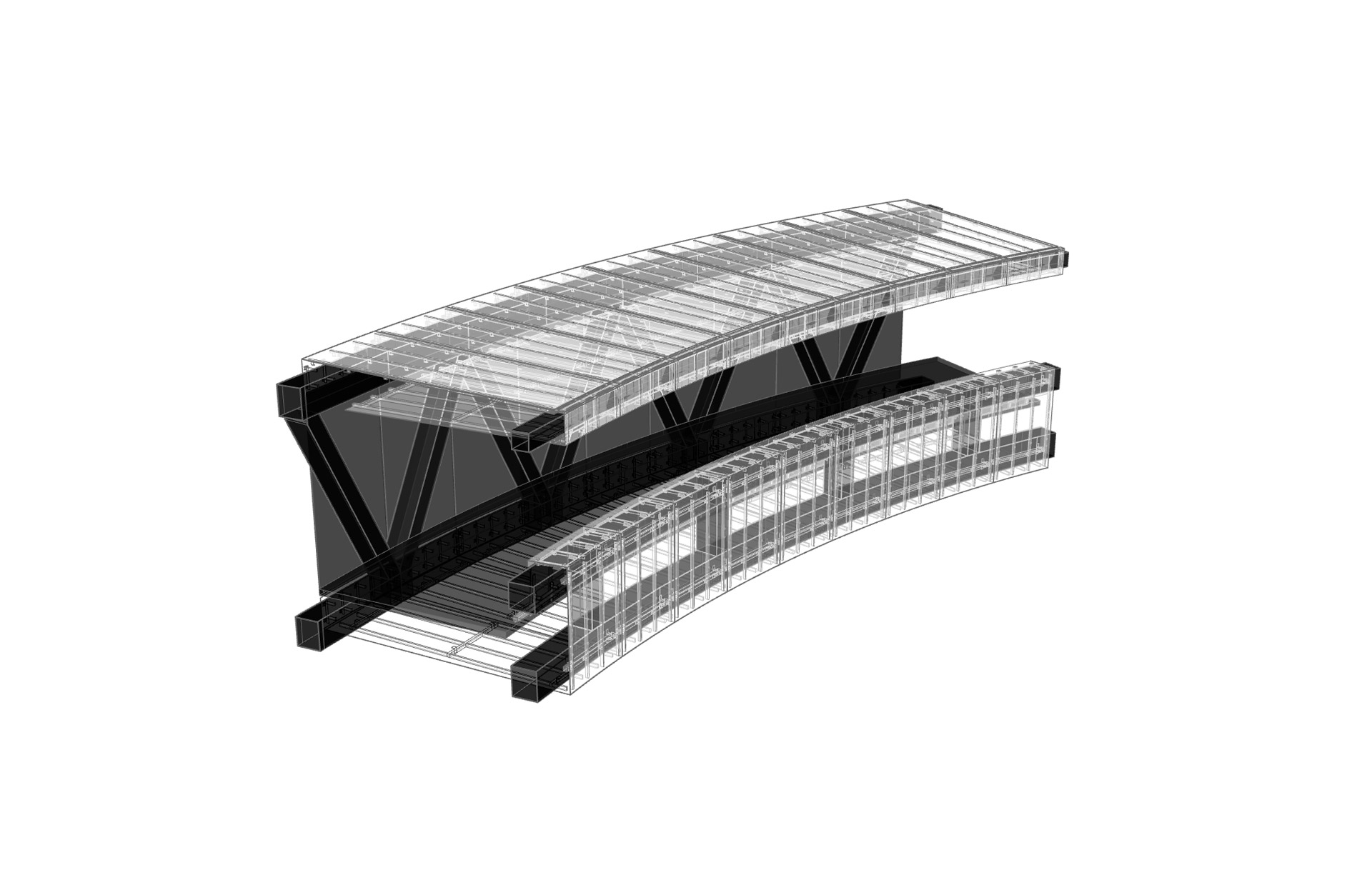
The Halo of Vigo incorporates a prefabricated façade system composed of 305 Krion modules, each with approximate dimensions of 2.50 m in length and up to 6.00 m in width. The system defines a continuous circular structure with an overall diameter of 84.50 m and a pedestrian passage width of 4.50 m, forming a suspended architectural ring that articulates circulation, structure, and enclosure as a single integrated element.

Each module is developed through algorithmic processes that regulate its geometric definition and fabrication parameters, allowing the façade to adapt precisely to the radial curvature of the system while maintaining the strict tolerances required for industrial production. Dedicated substructures and auxiliary components are tailored to each module and parametrically generated as part of a unified digital workflow, ensuring dimensional consistency, minimizing repetitive manual operations, and guaranteeing full traceability from design to fabrication and on-site assembly.


Additionally, the following tasks have been developed:

  • Coordination of multiple 3D models (structural, façade, and auxiliary systems), including clash detection, issue tracking, and technical coordination with third-party suppliers.
  • Redefinition, optimisation, and rationalisation of the original geometry to enable an industrialised and fabrication-aware manufacturing process for the façade system.
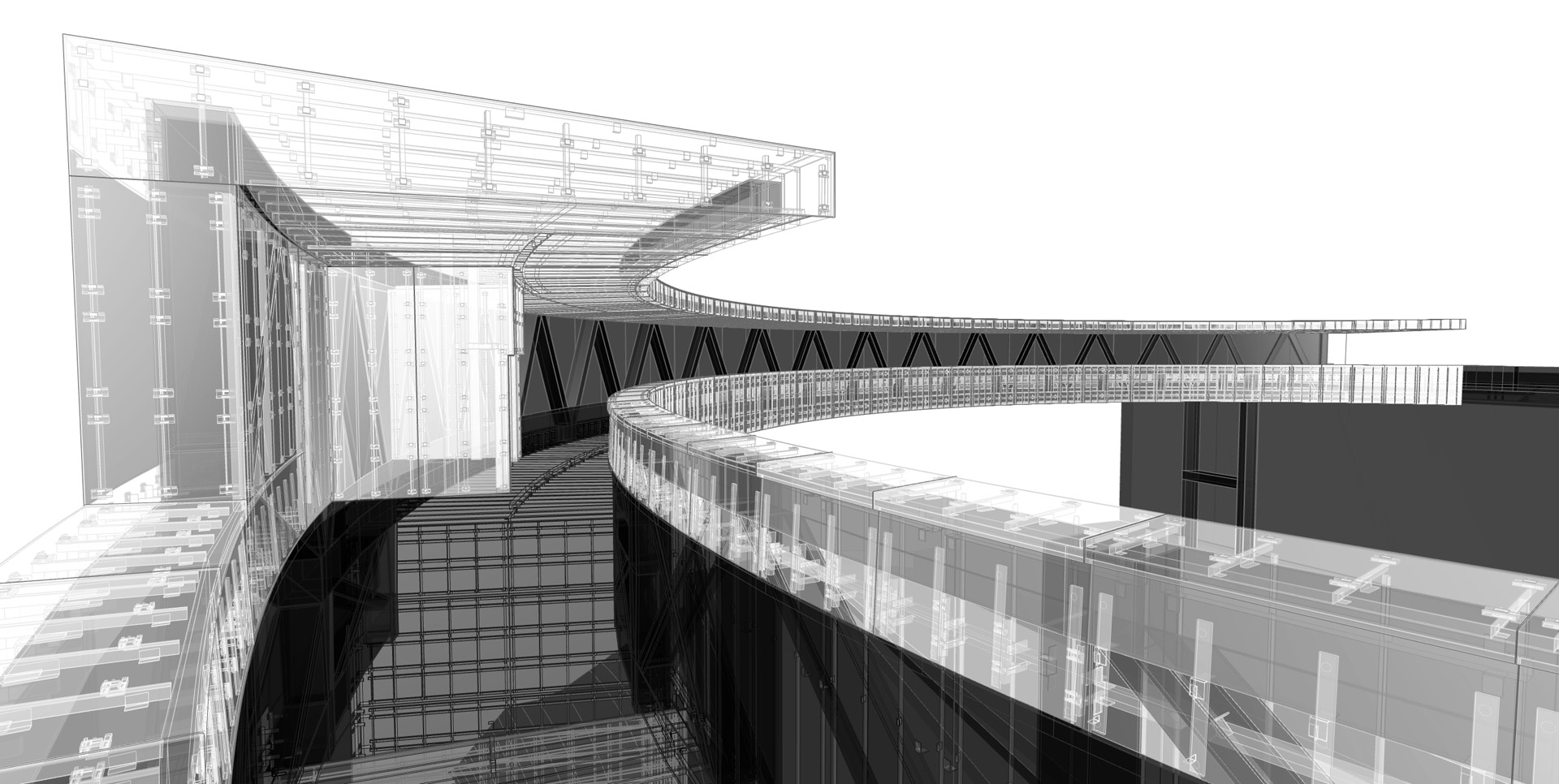
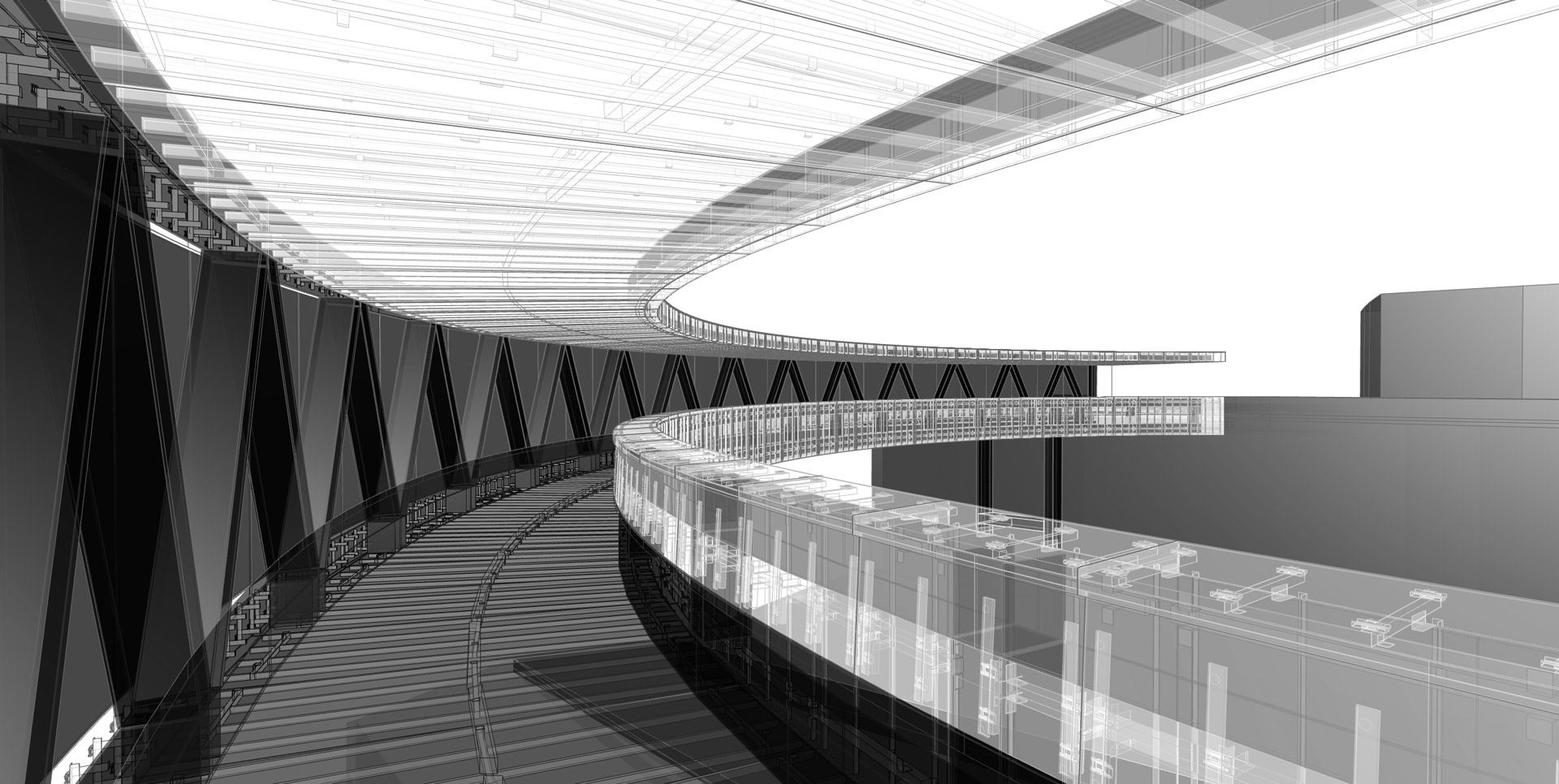
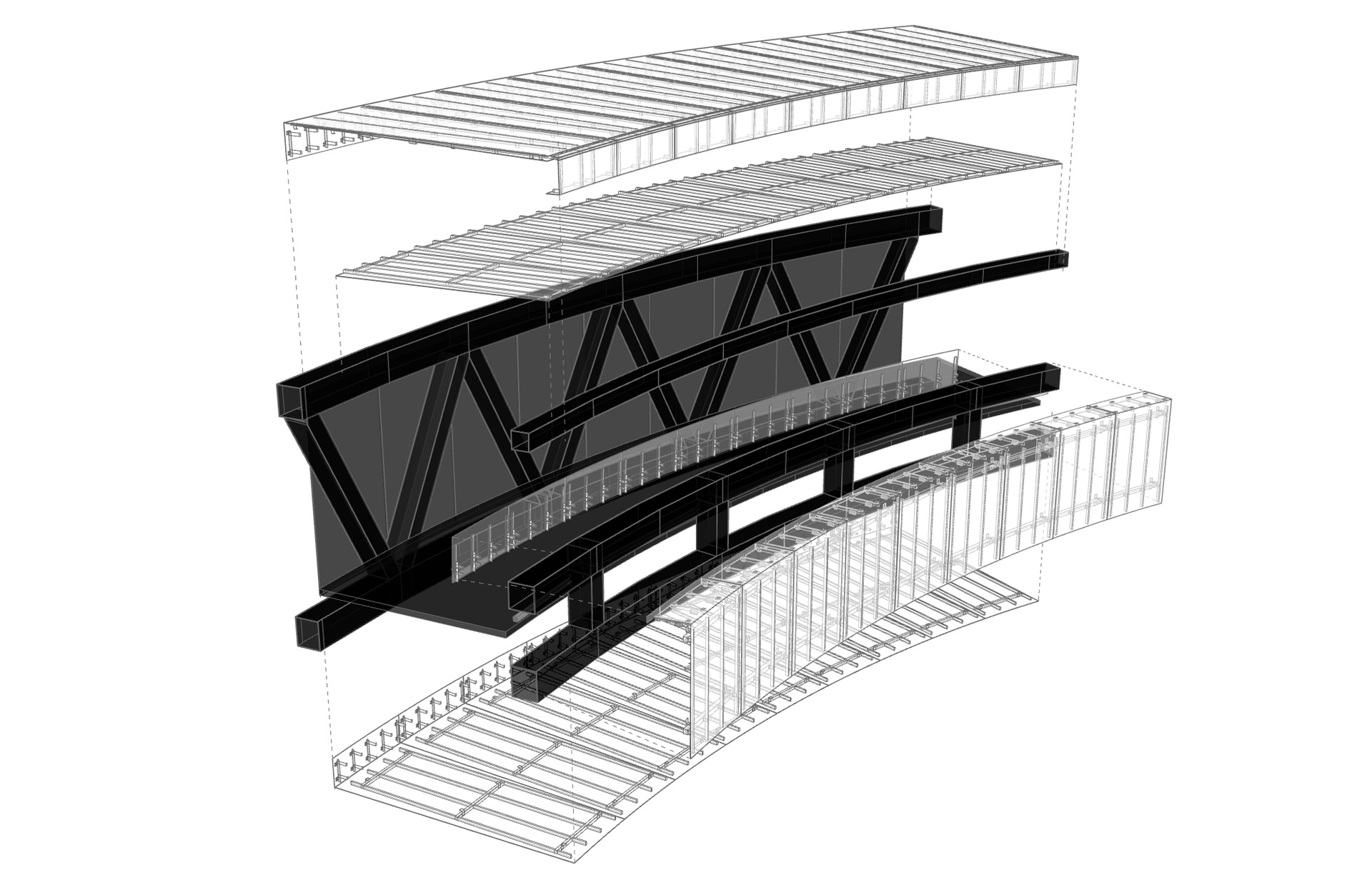
  • Design and detailing of the auxiliary structural system supporting the Krion modules and their assembly logic.
  • Preparation of shop drawings for the manufacturing of the façade modules using 1 cm Krion panels.
  • Preparation of construction drawings and assembly documentation for on-site installation.
  • Bill of quantities for each module, including Krion surface areas, structural linear meters, joints, fasteners, welding lengths, and associated fabrication metrics.
  •  

Role

-Project Director 

Cients

Fabrication Model

A fabrication model is developed to integrate all discipline-specific information required for the precise manufacturing of the façade system. Each component is modelled individually to ensure geometric accuracy, verify construction feasibility, and validate the overall aesthetic performance. The model consolidates fabrication tolerances, substructure configurations, and assembly logic, enabling consistent coordination between design, production, and on-site installation.

Construction Site Pictures

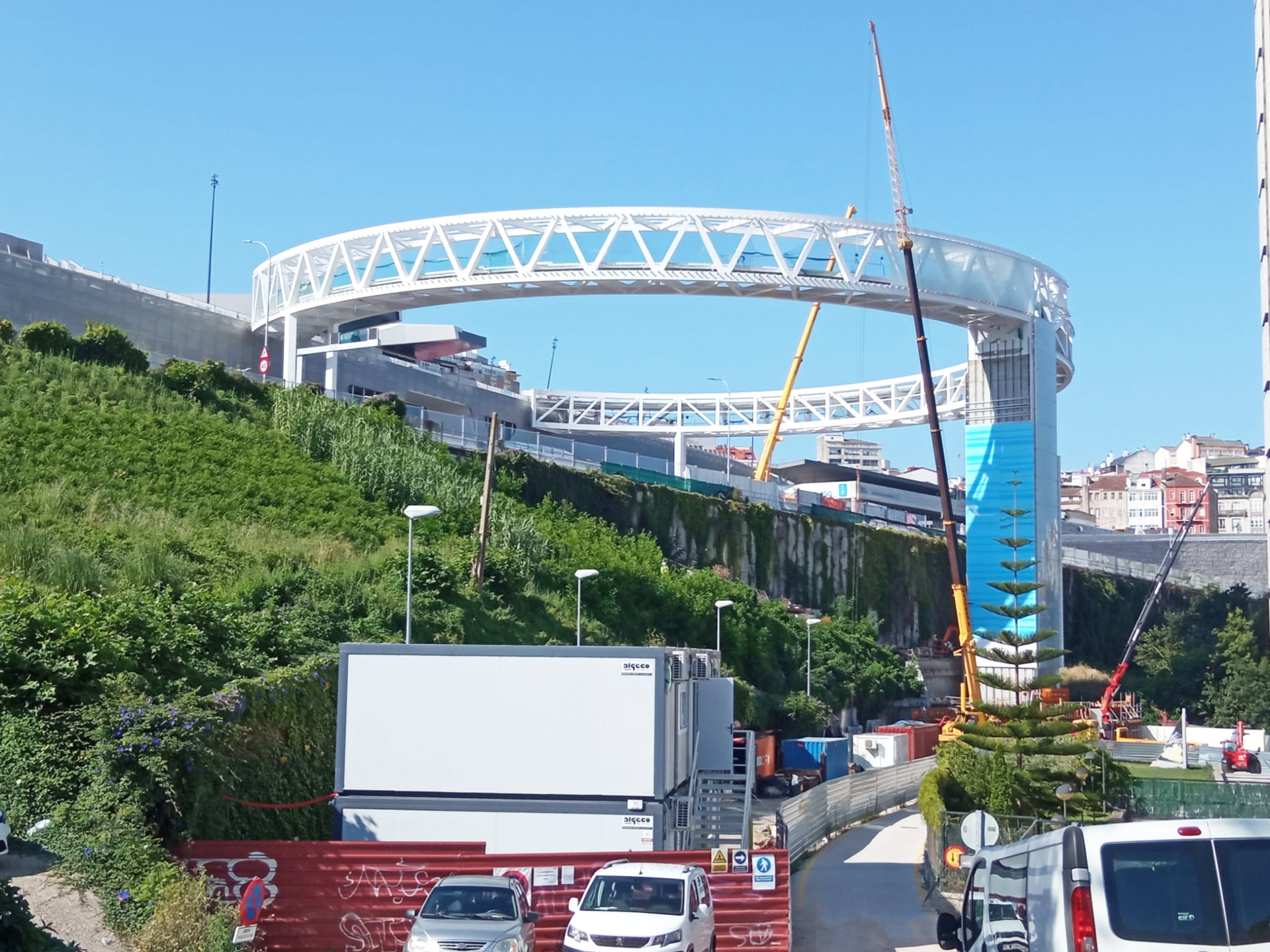
The prefabricated modules are manufactured in a factory and assembled directly on site. Those pieces are produced using digital tools from the 3D model, so the geometry employed for fabrication purposes is the same as the one used for construction drawings. Furthermore, the 3D model represents a digital twin of the construction site allowing us to predict problems and improve assembly efficiency.

Prefabricated Modules

Each façade module is developed as part of a controlled catalogue of digital components—305 elements in total—operating within a shared set of construction and assembly constraints that control the fabrication process. Algorithmic procedures are employed to regulate the geometric definition, structural logic, and fabrication parameters of each module, with a deliberate emphasis on maximising standardisation and repetition. This strategy enables the rationalisation of panel typologies, the reuse of fabrication moulds, and the simplification of on-site installation, while still accommodating the geometric requirements of the circular configuration of the structure.

By prioritising fabrication-aware outputs and limiting unnecessary geometric differentiation, the workflow reduces manual adjustments, improves production efficiency in off-site manufacturing, and streamlines assembly operations on site. Each module is supported by its corresponding shop drawings, bill of quantities, and a structured naming and tracking protocol, ensuring full traceability throughout the design-to-fabrication workflow and enabling precise coordination and cost control.