RENABUMA

Research Project

September 2025

RENABUMA

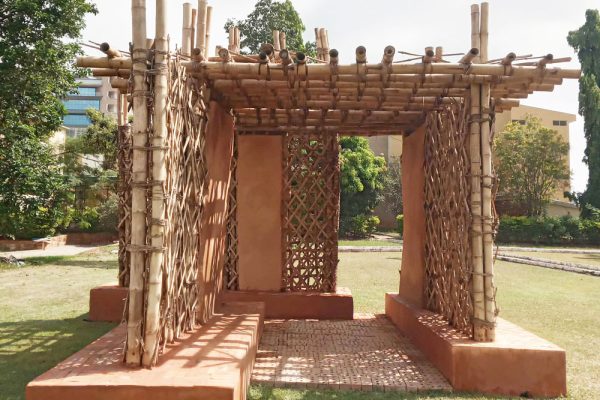
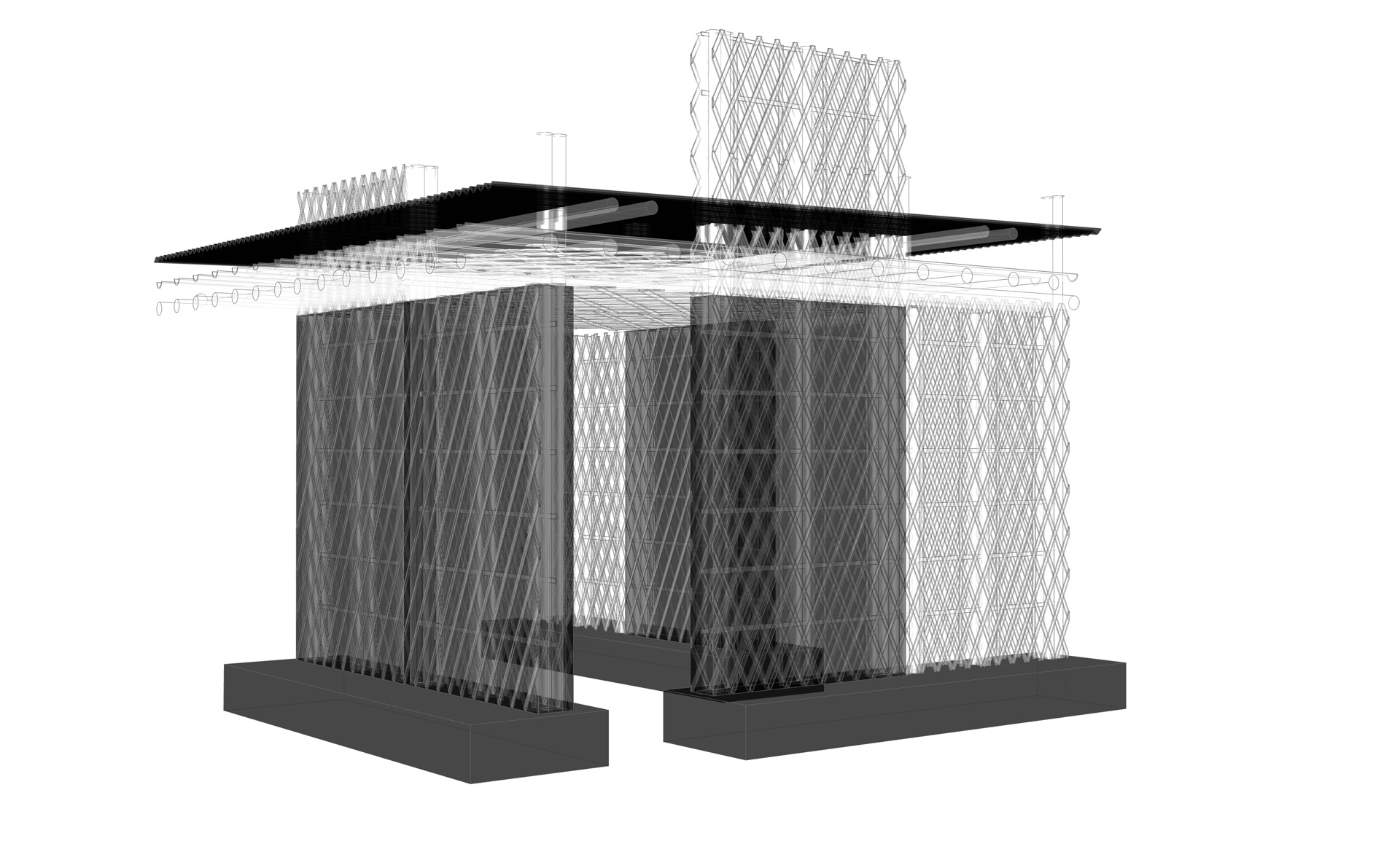
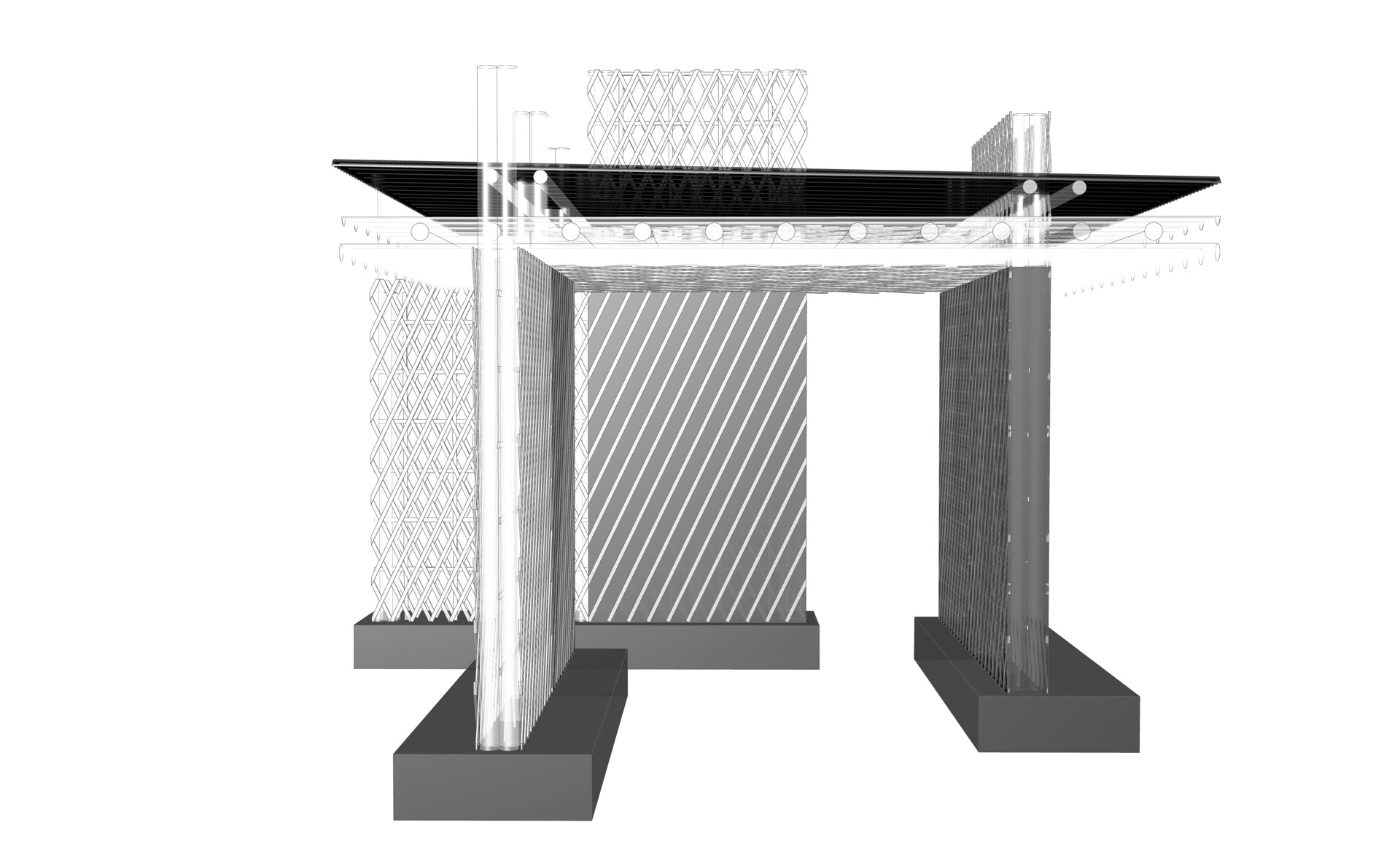
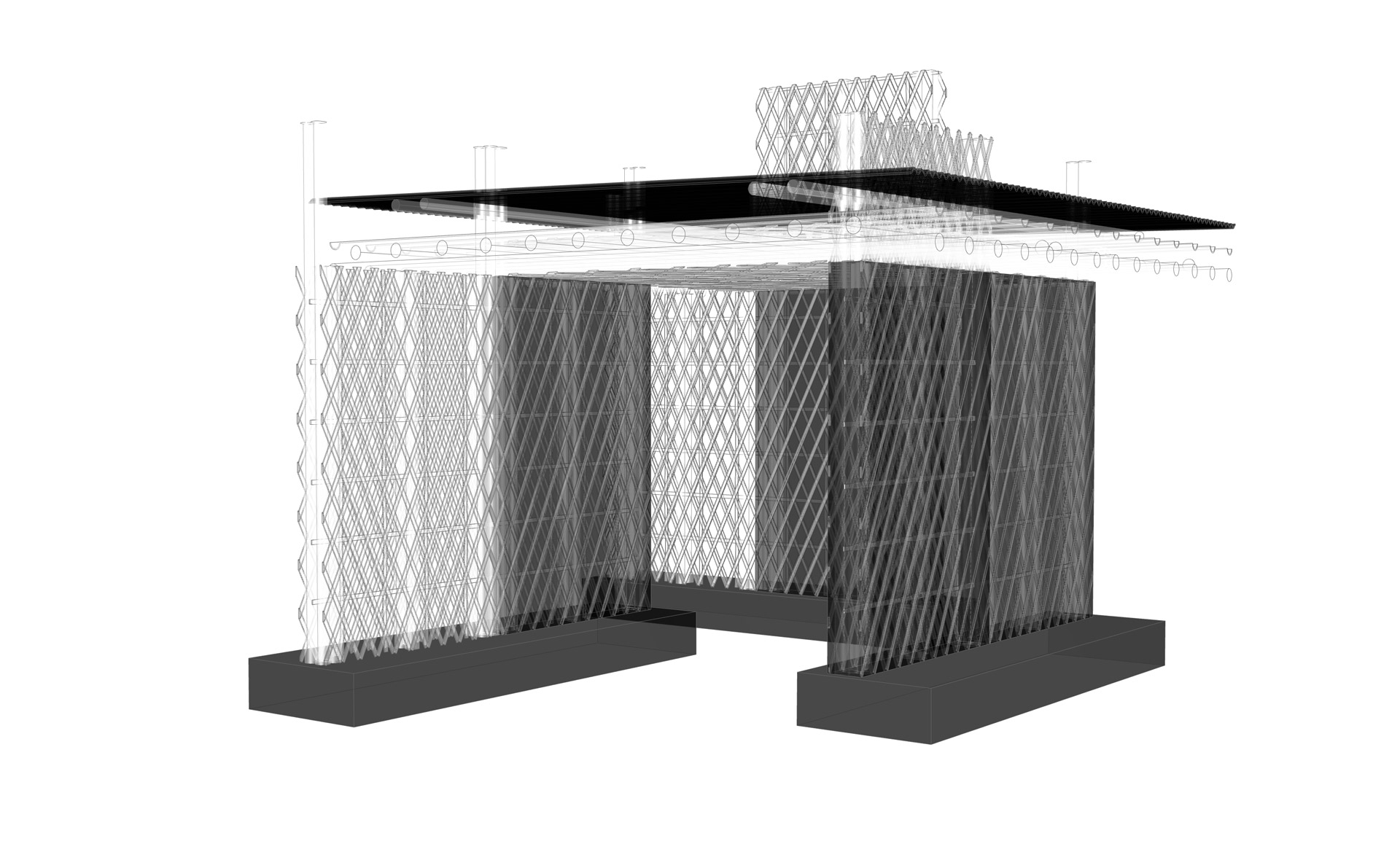
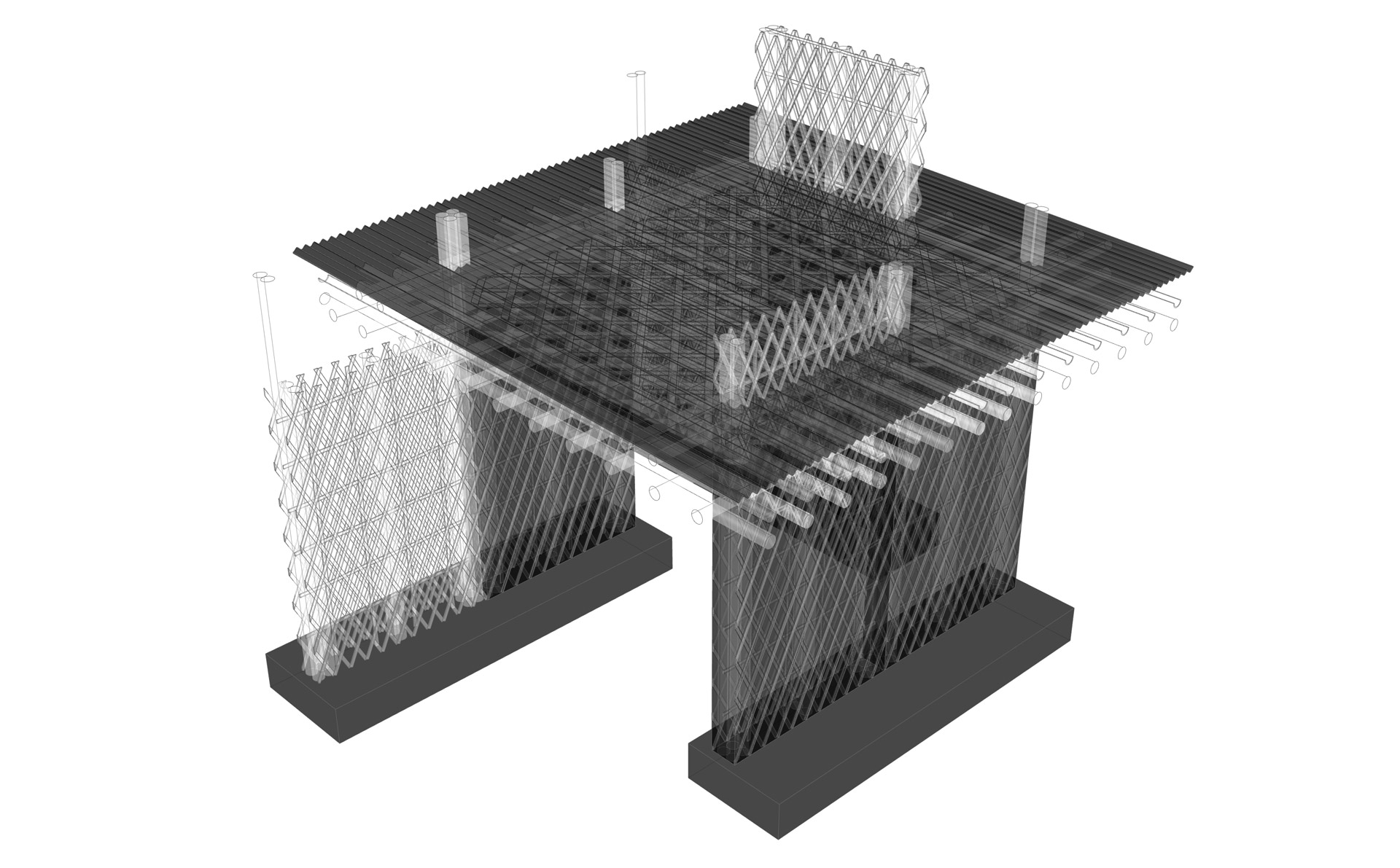
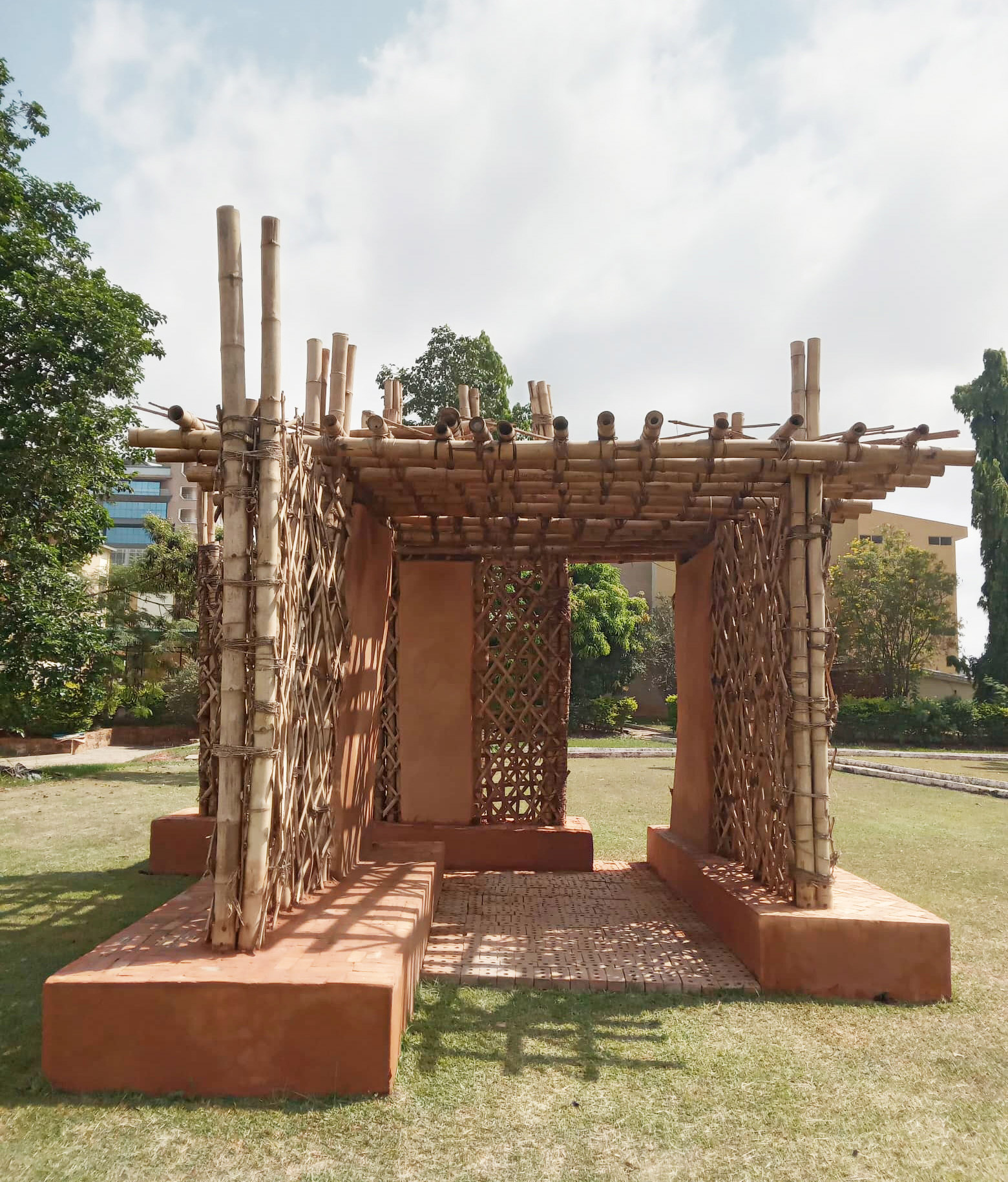
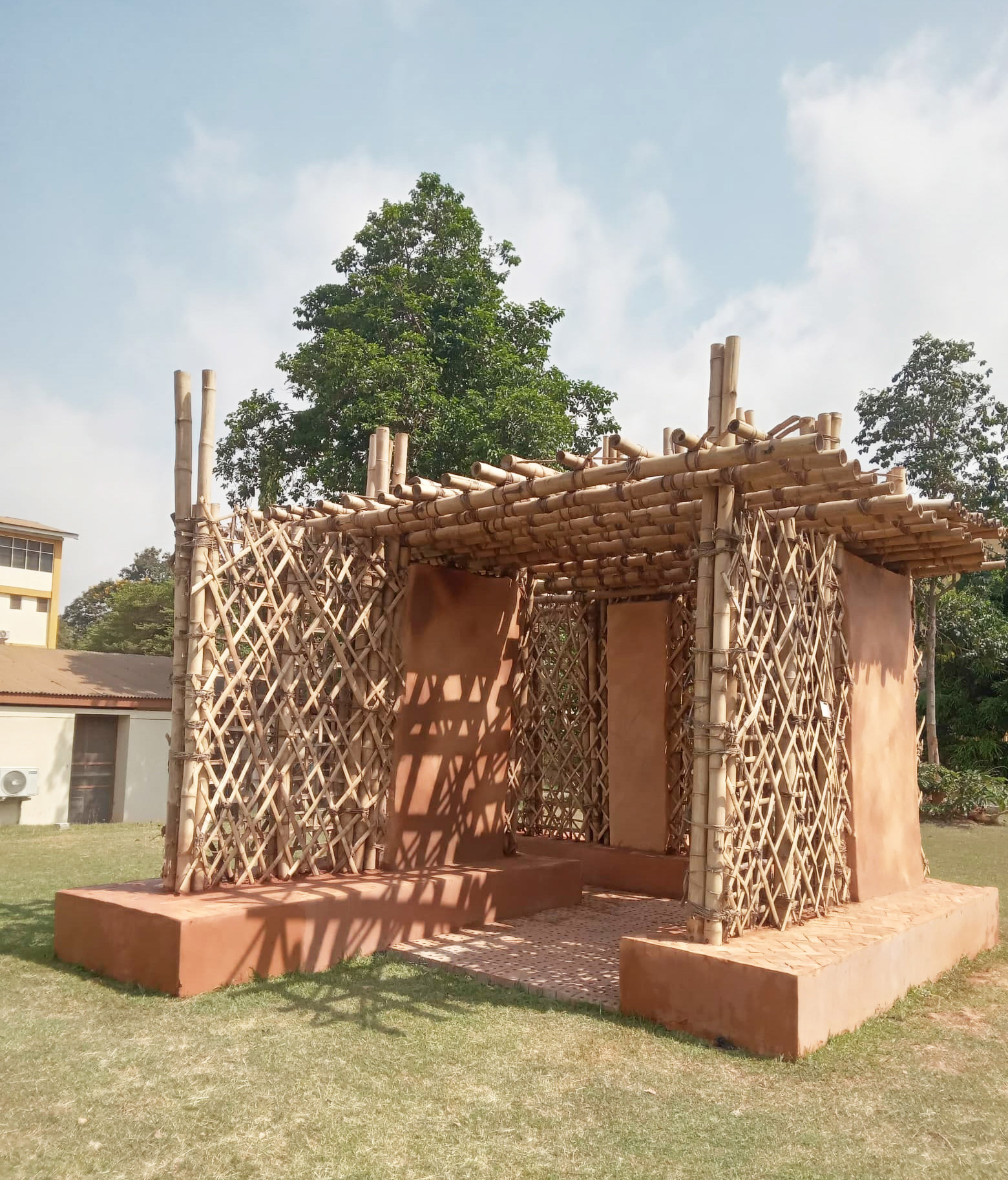
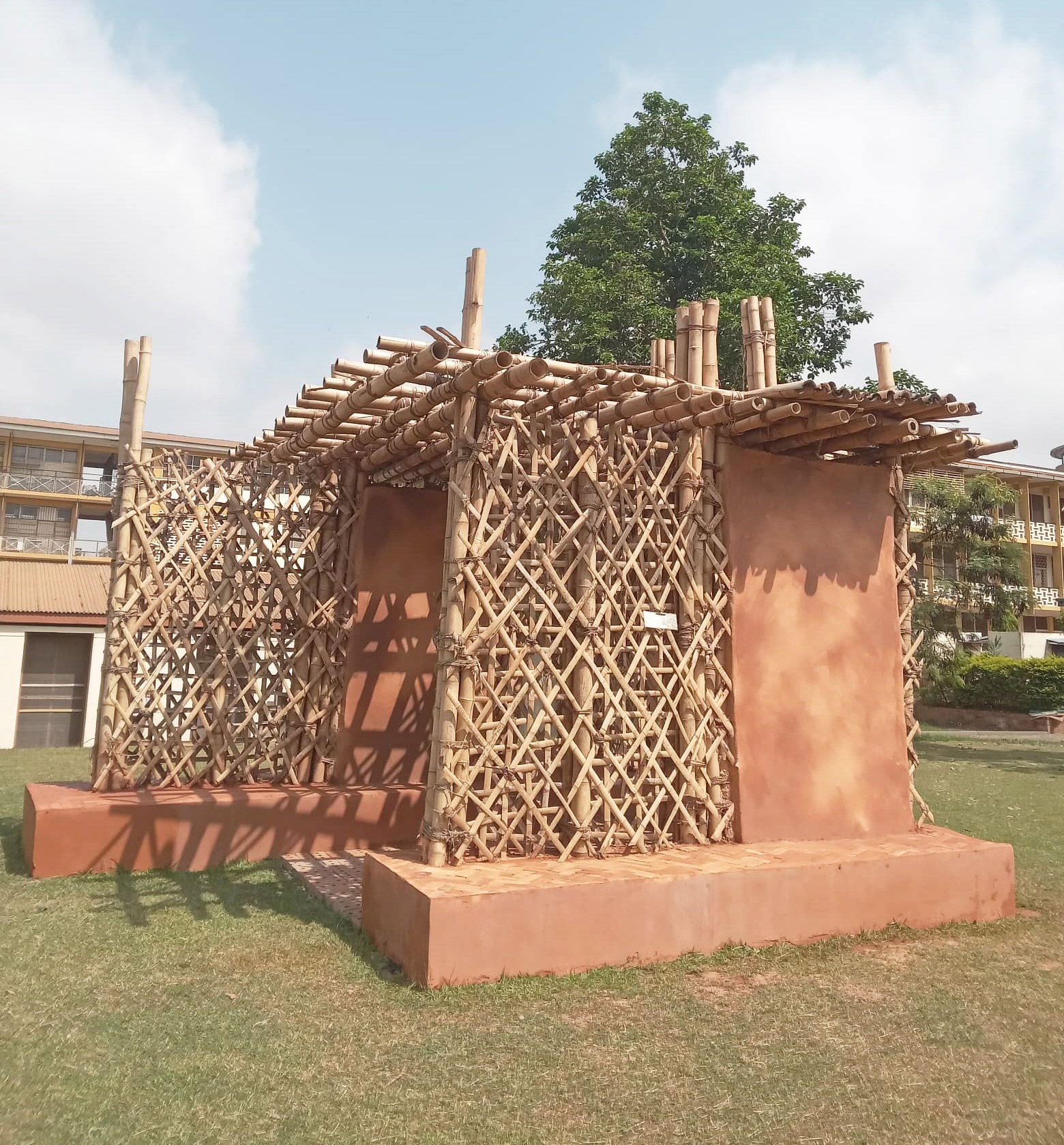
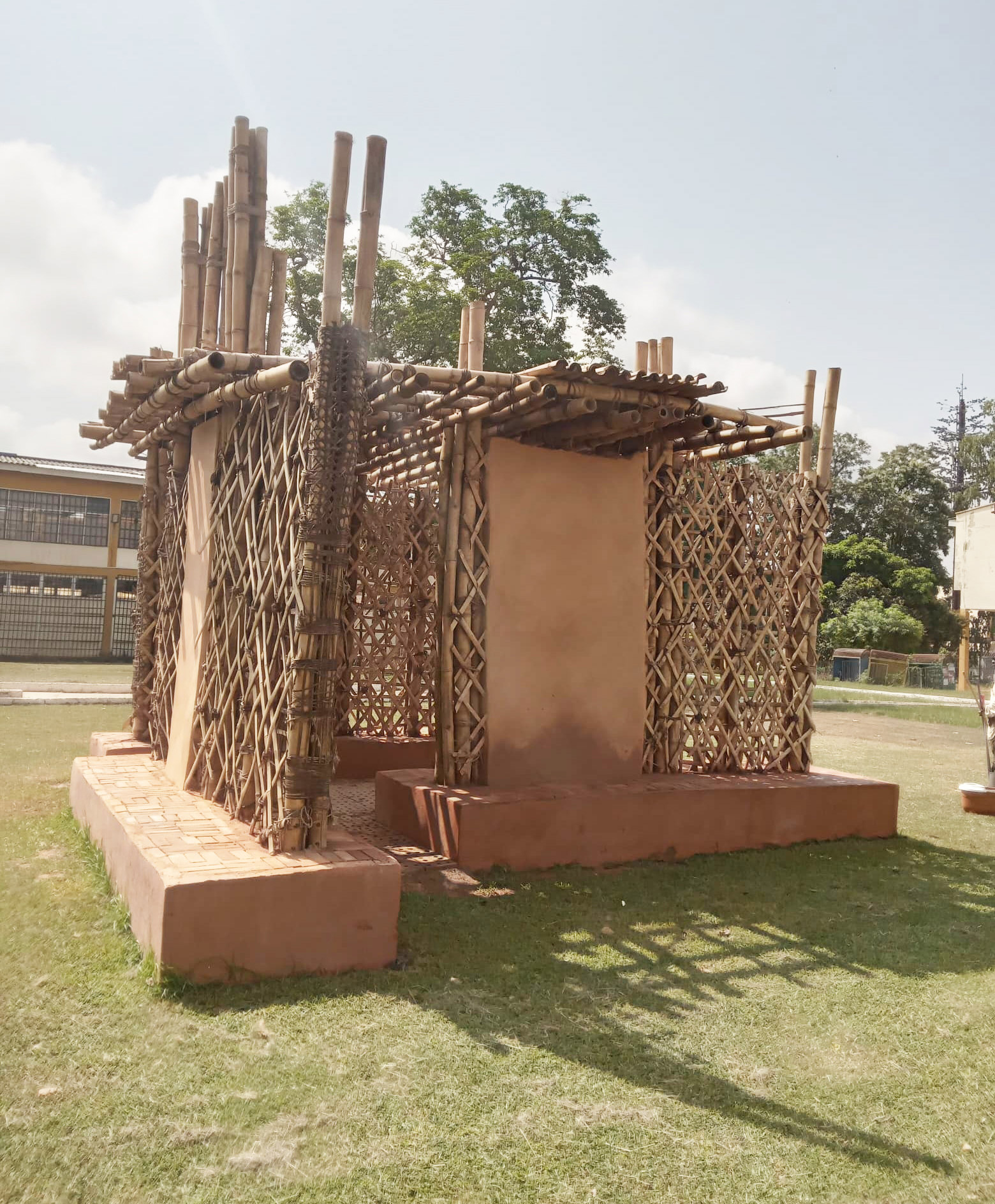
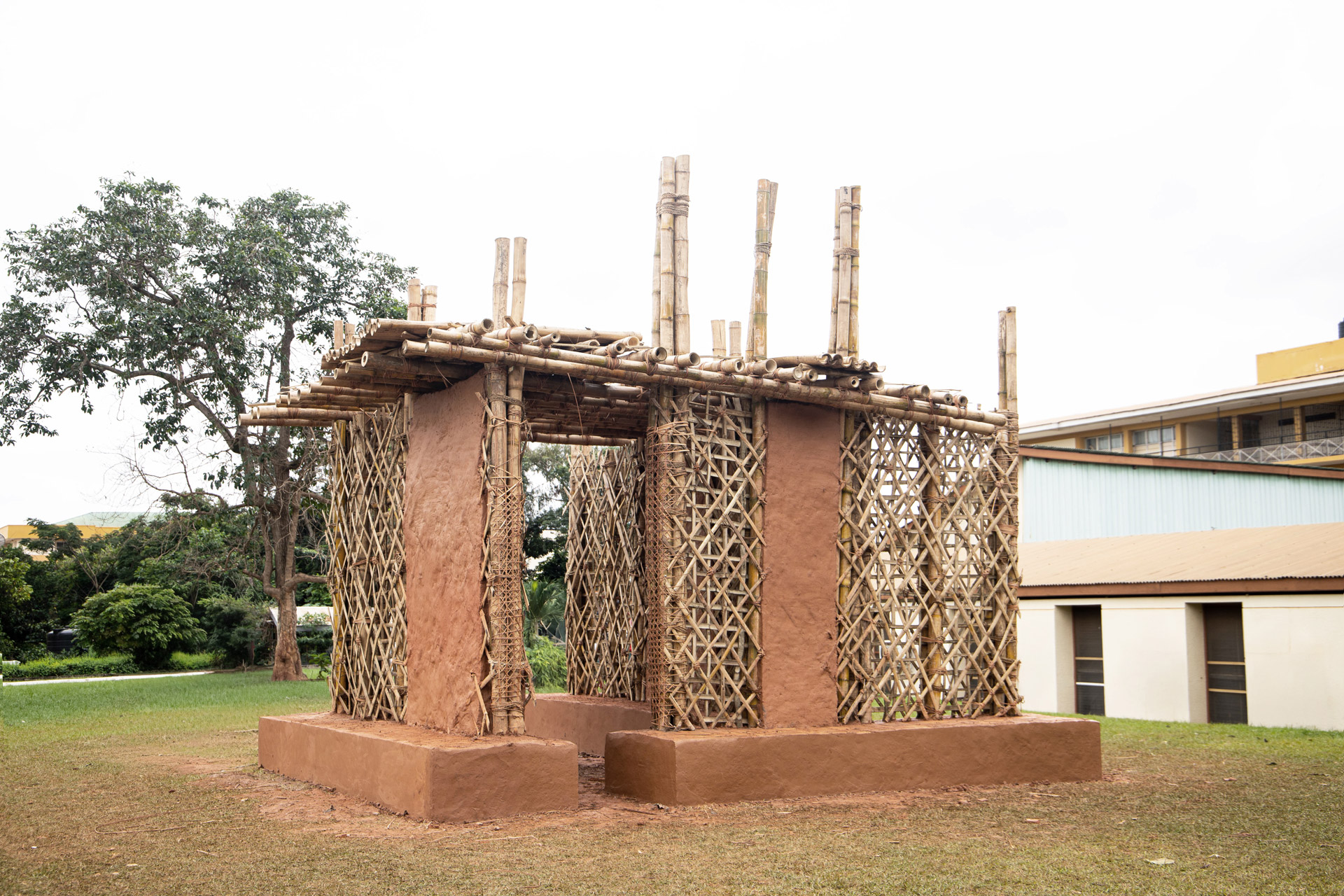
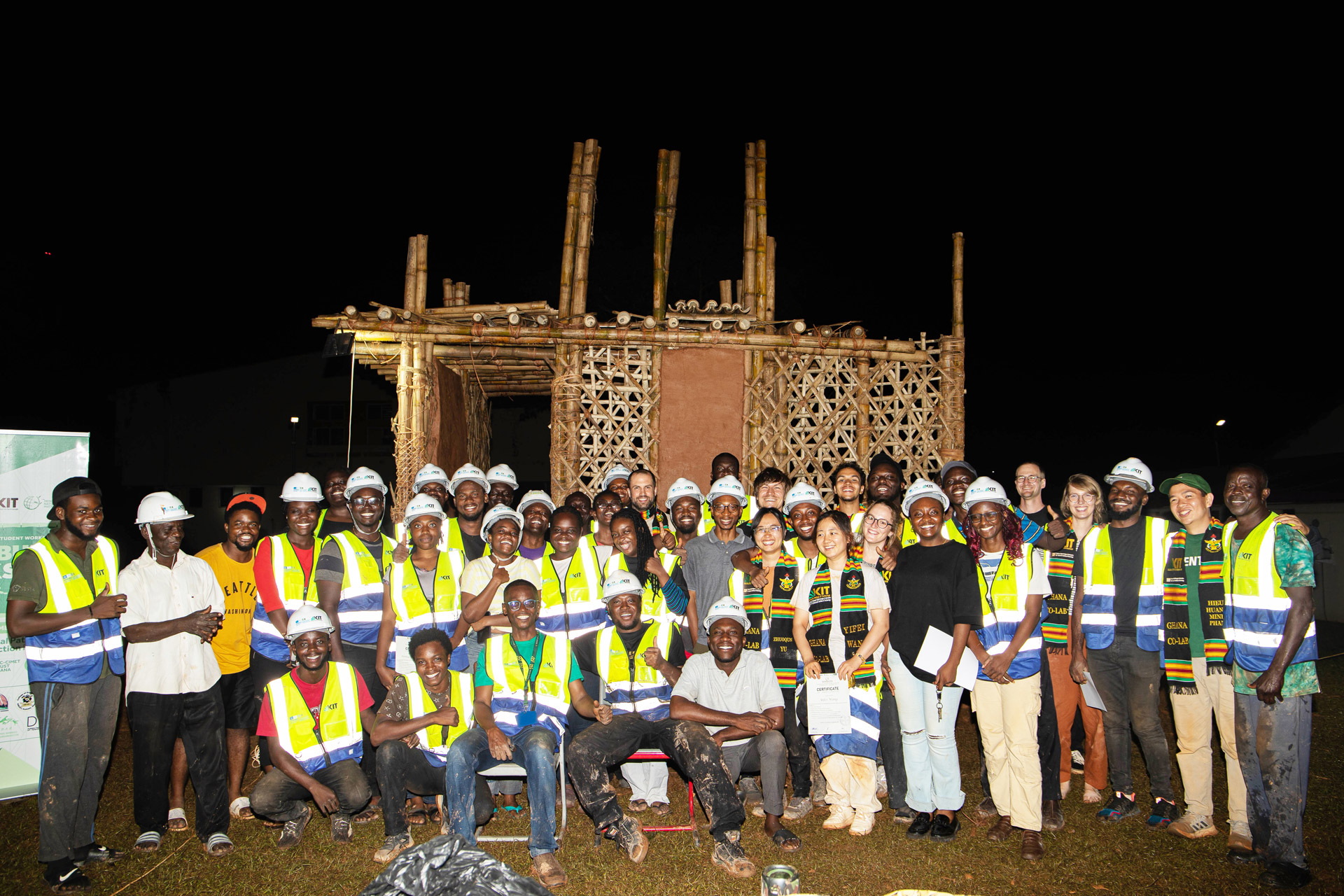
Renabuma is a research and construction project developed in Ghana that investigates context-specific building systems based on local materials, craftsmanship, and digitally assisted design processes.
The project combines hands-on construction with research-driven experimentation, aiming to understand how traditional construction knowledge can be translated into structured design methodologies and, ultimately, into digitally supported workflows. Rather than focusing solely on a finished architectural object, Renabuma is conceived as a learning-based project in which construction becomes a medium for knowledge acquisition and future technological development.

Role

-Research Associate

Natural Materials and Construction System

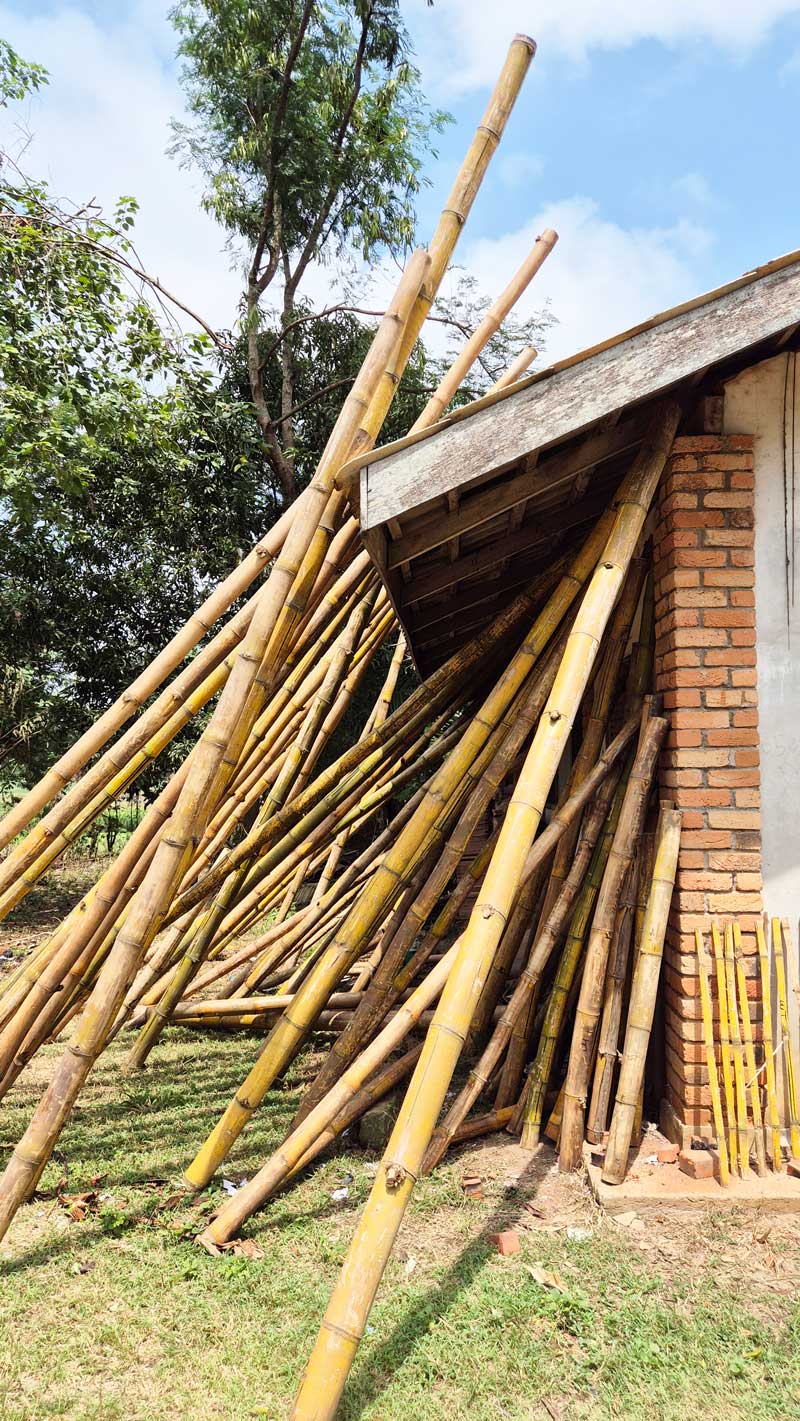
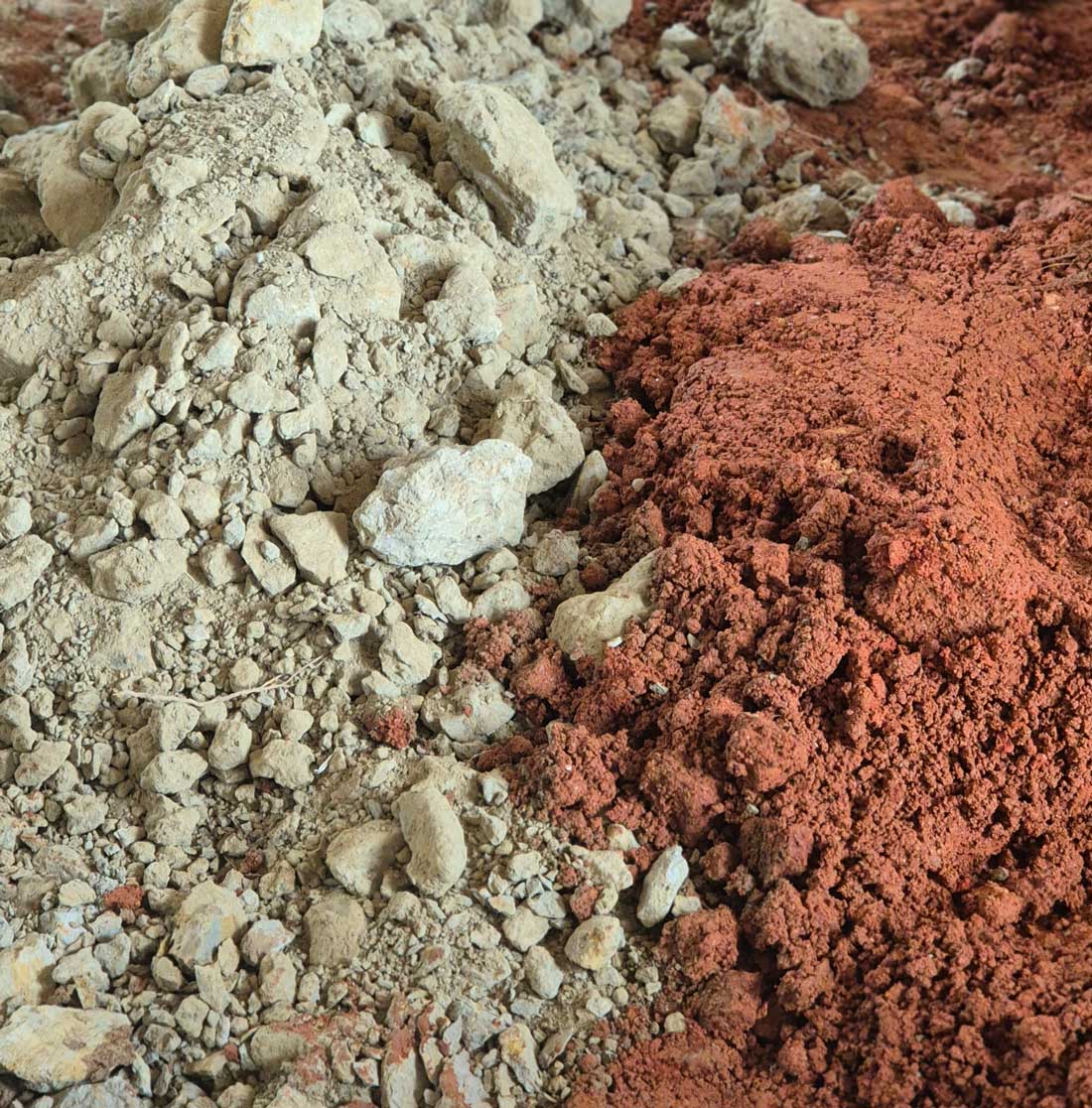
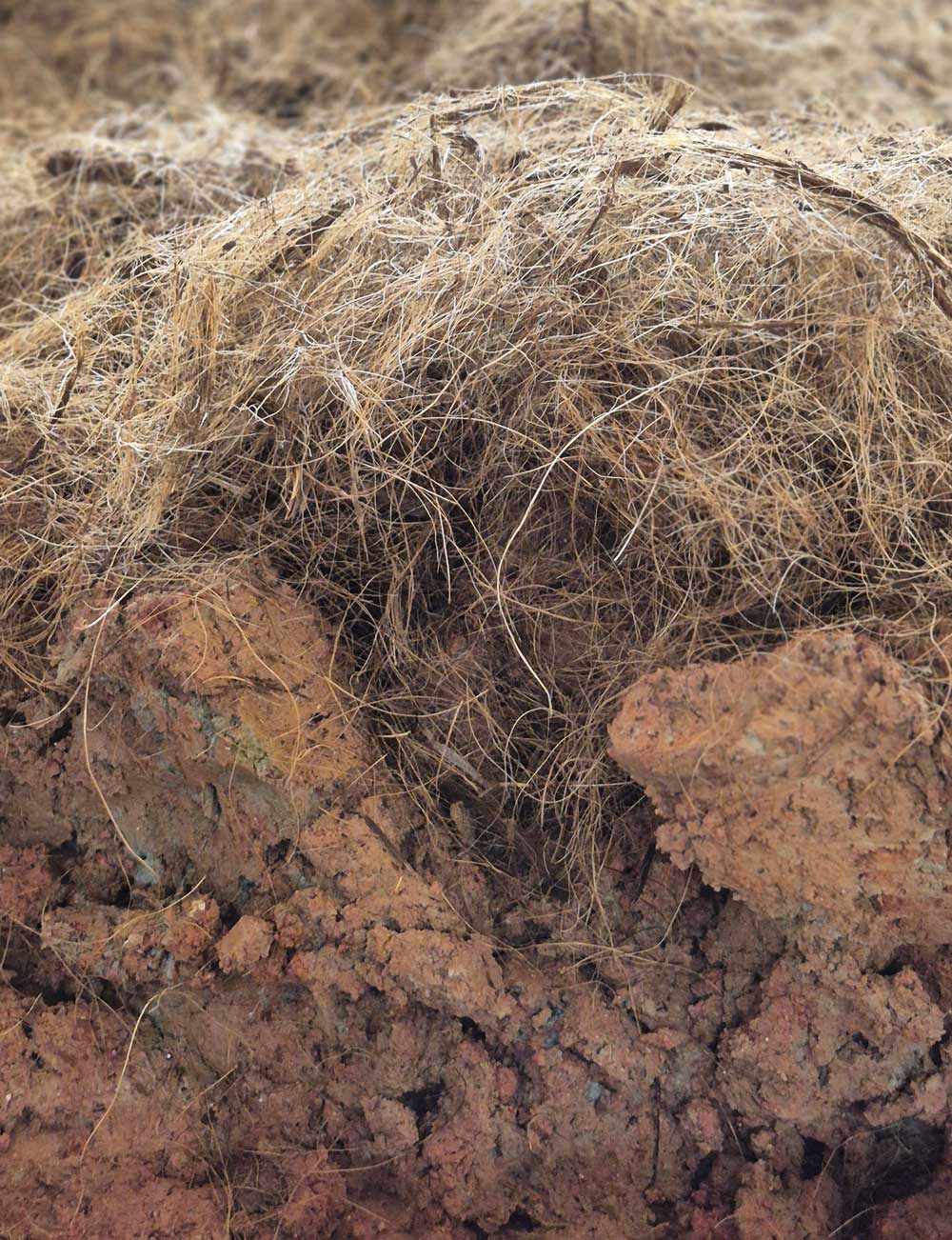
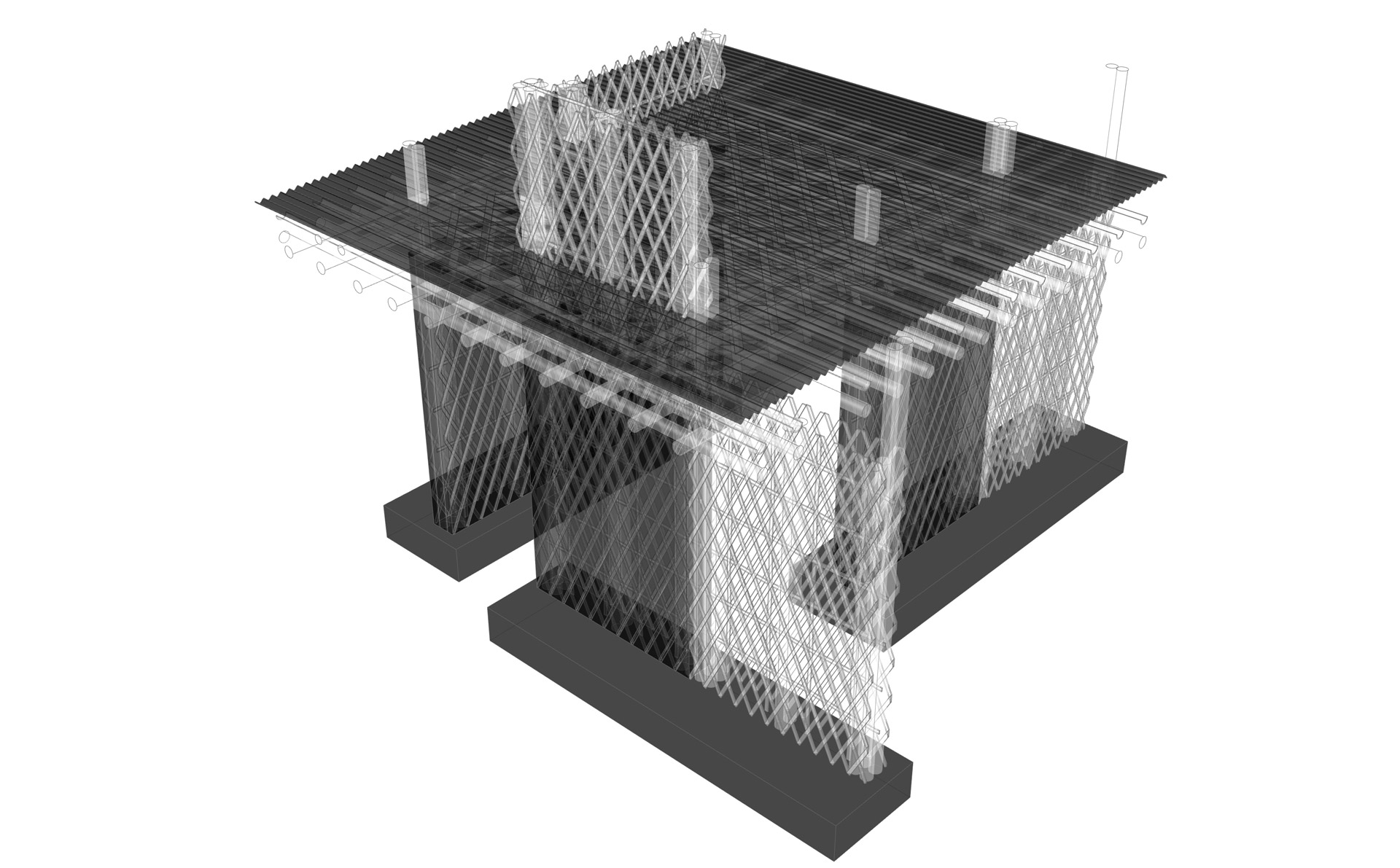
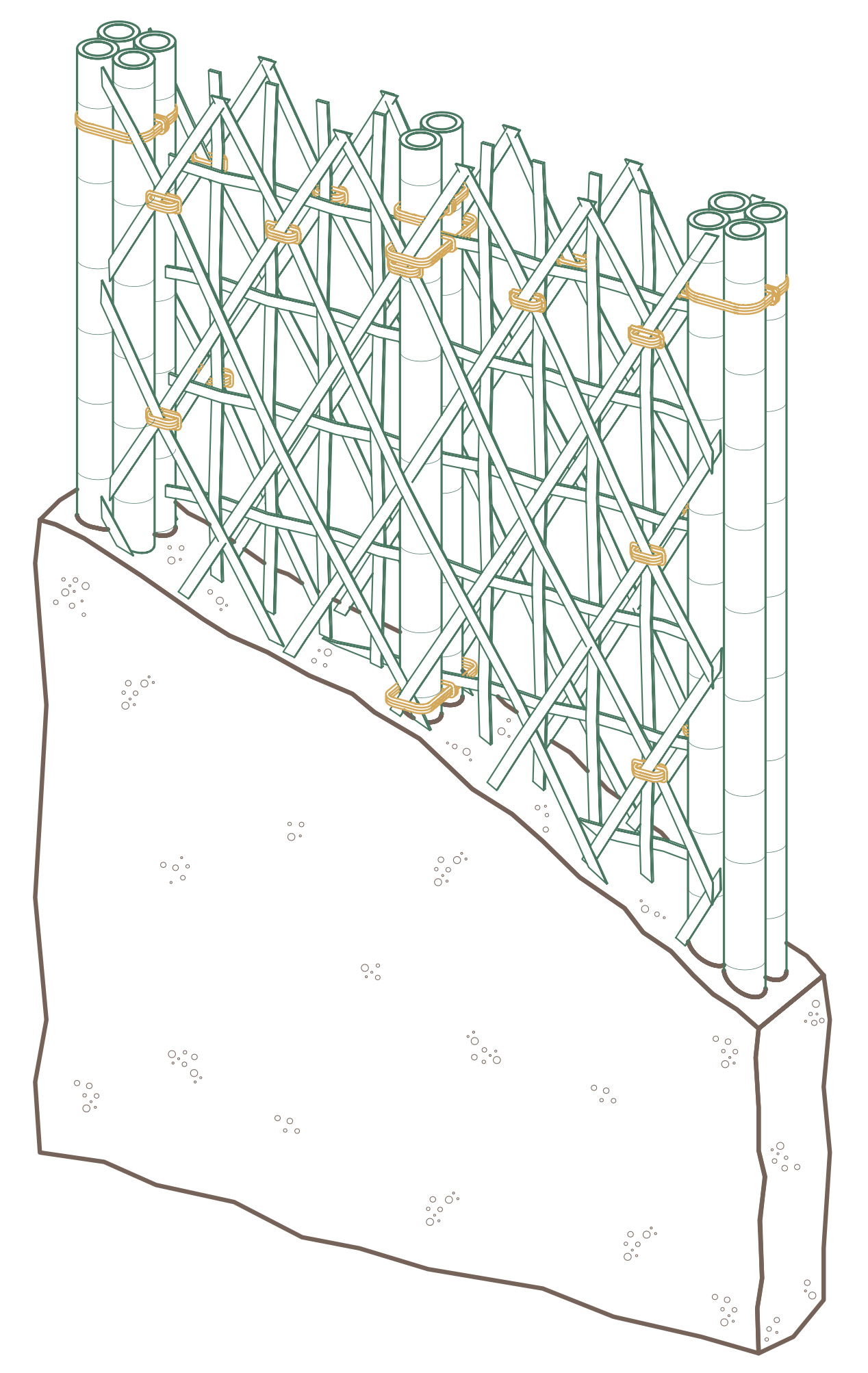
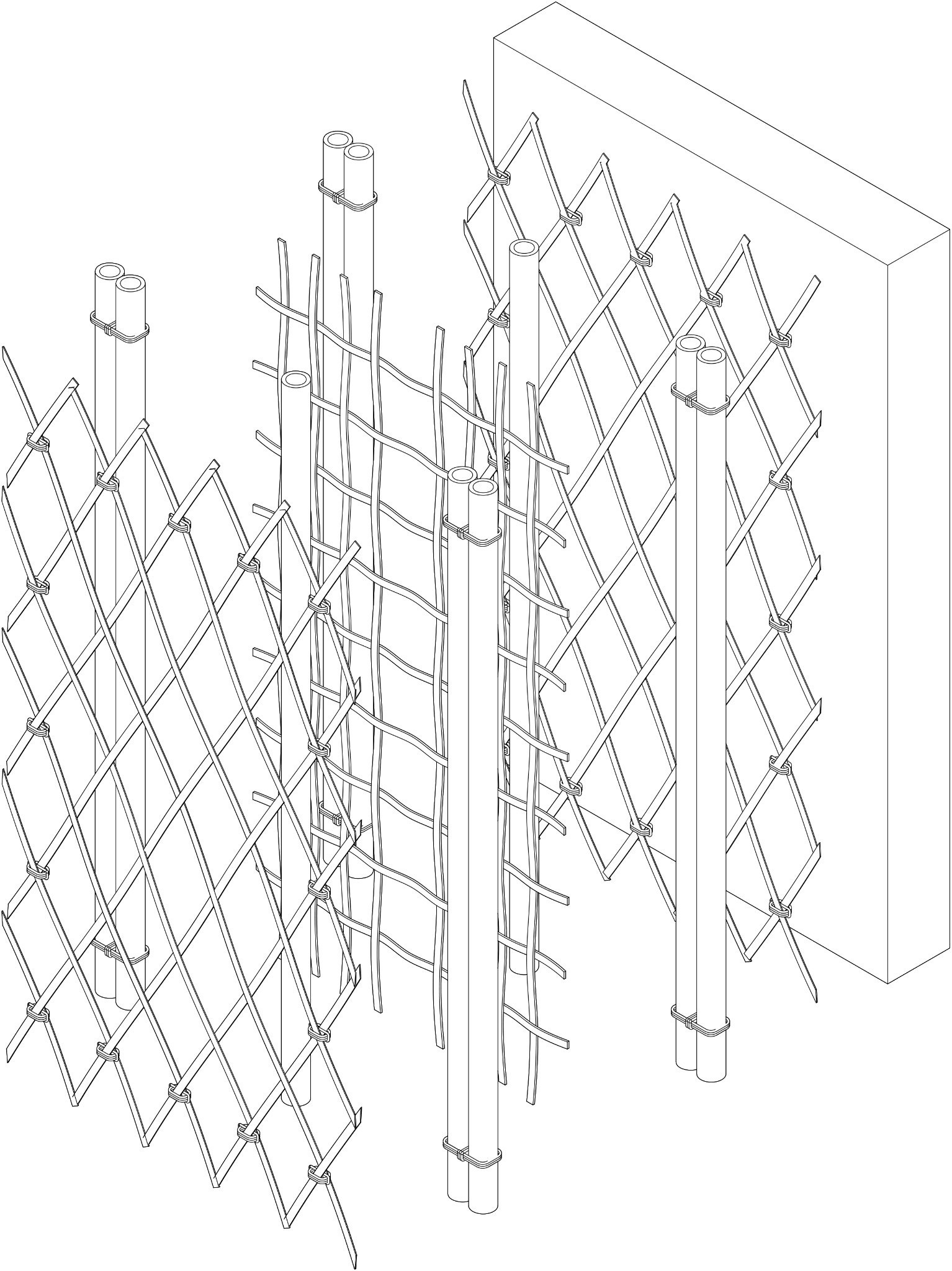
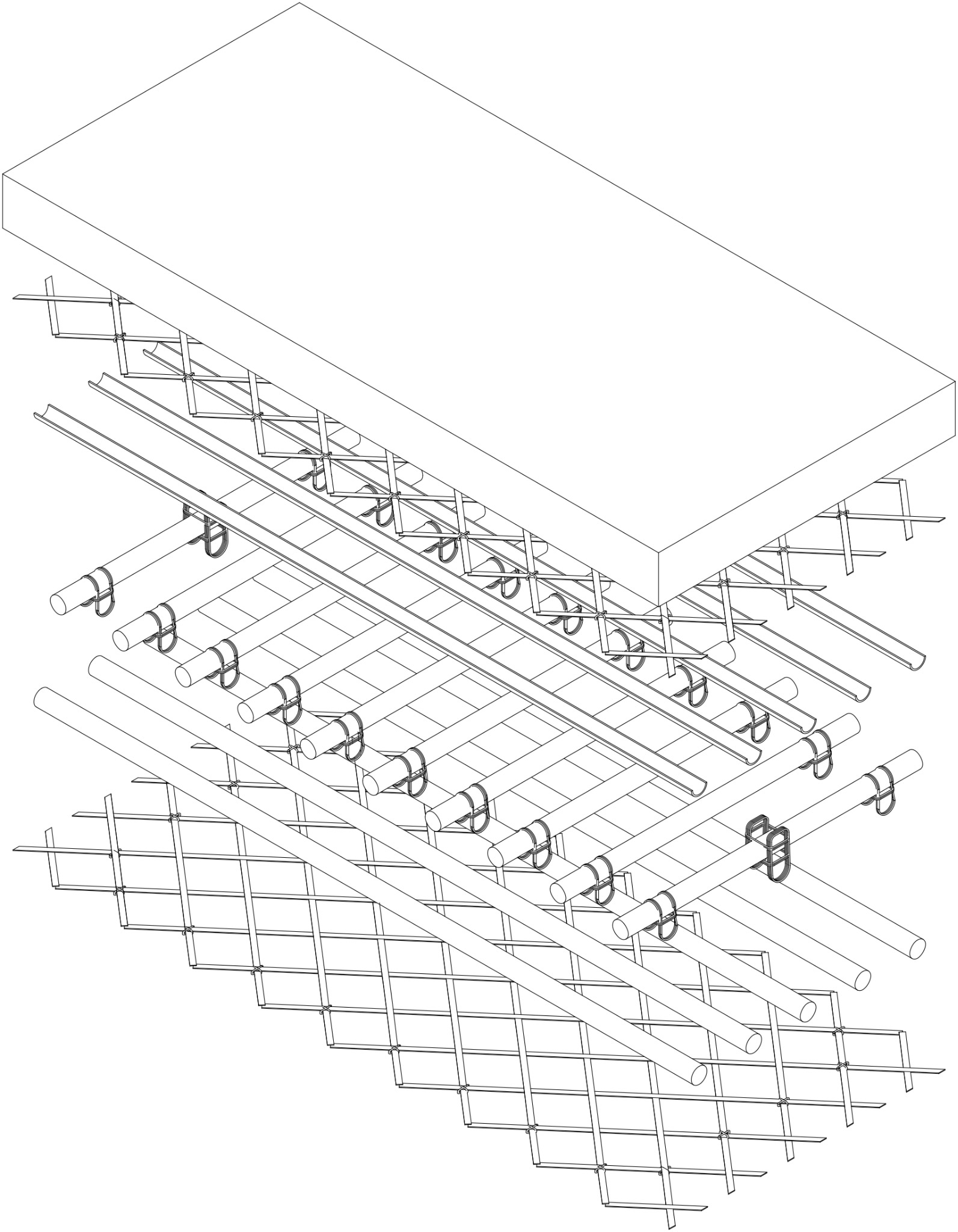
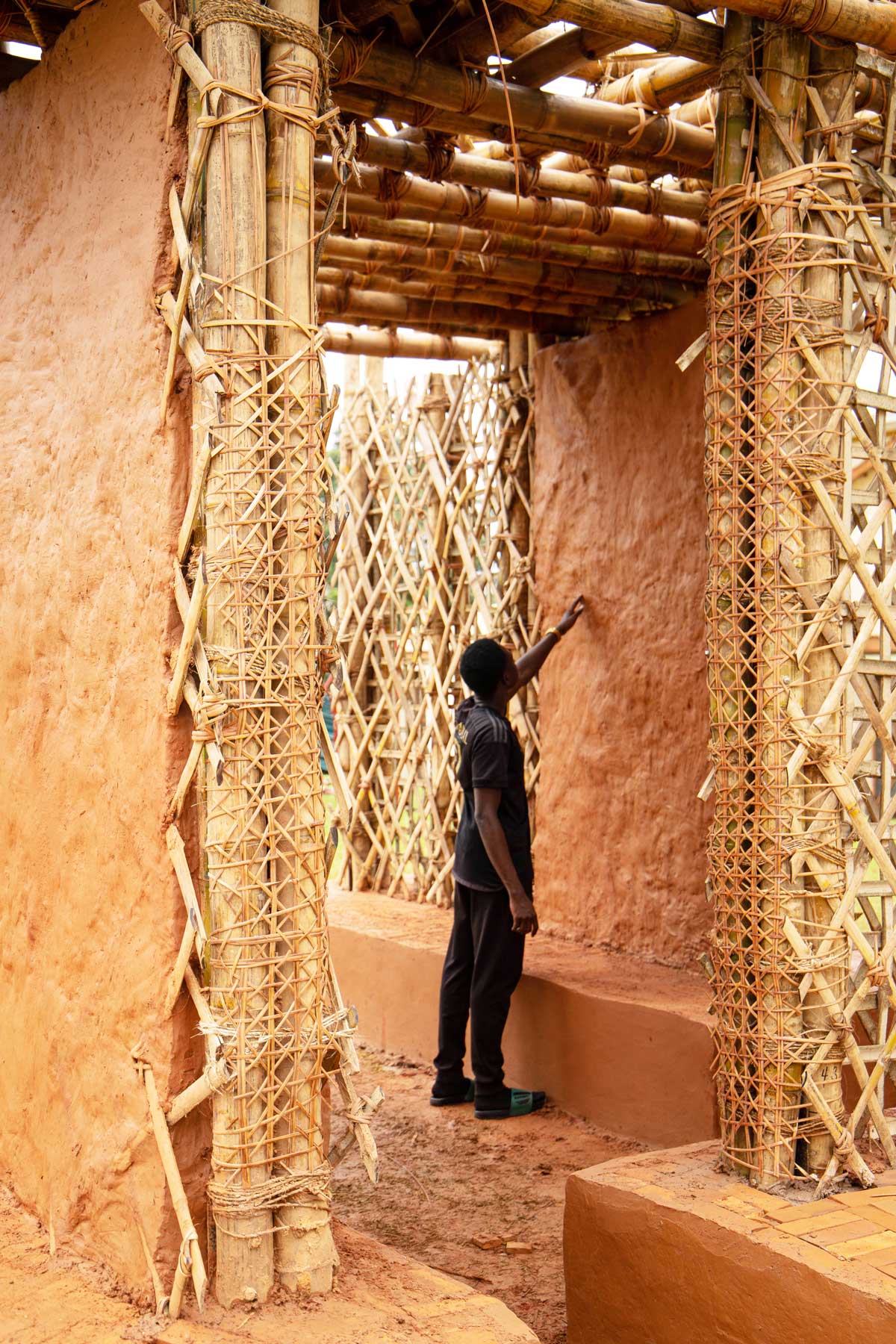
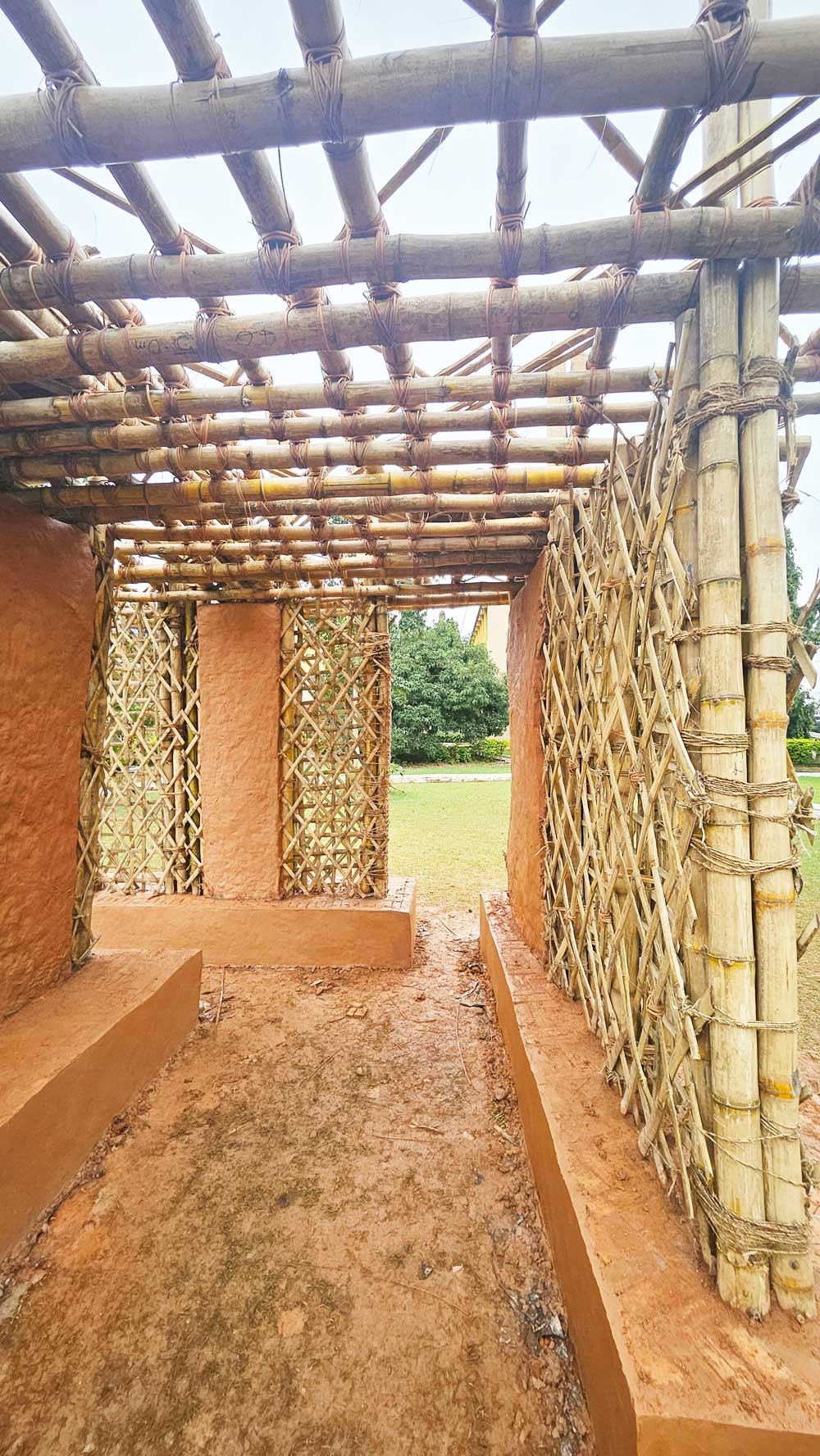
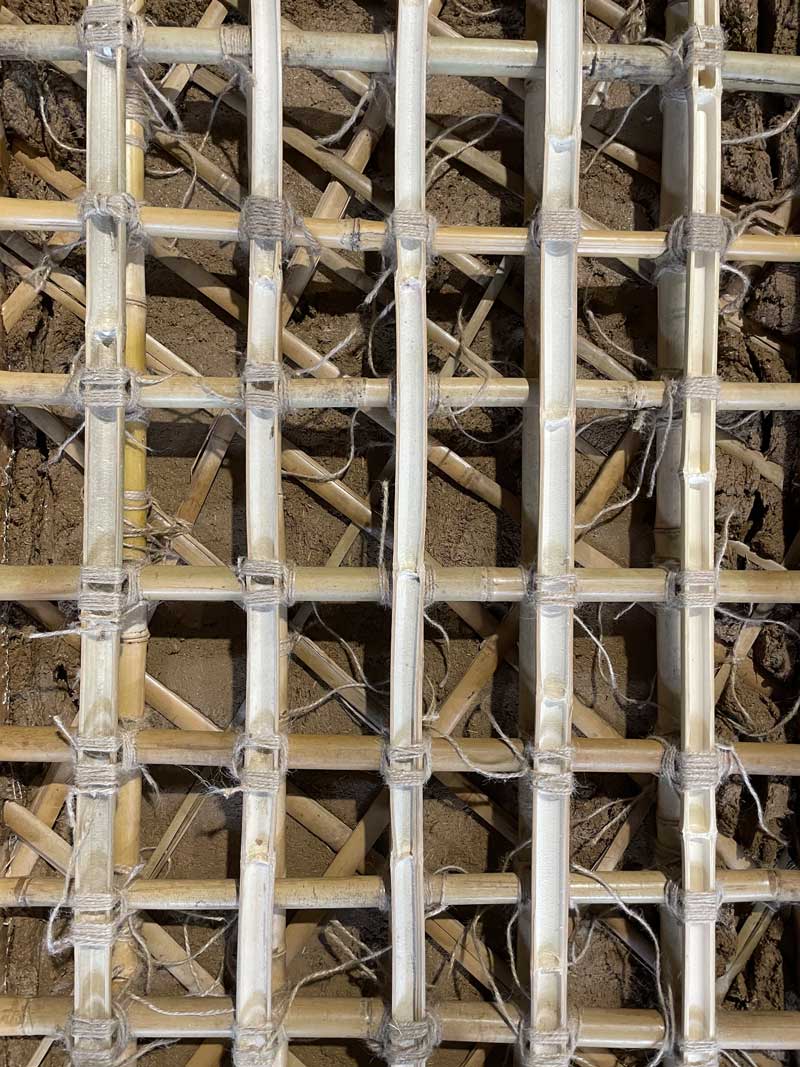
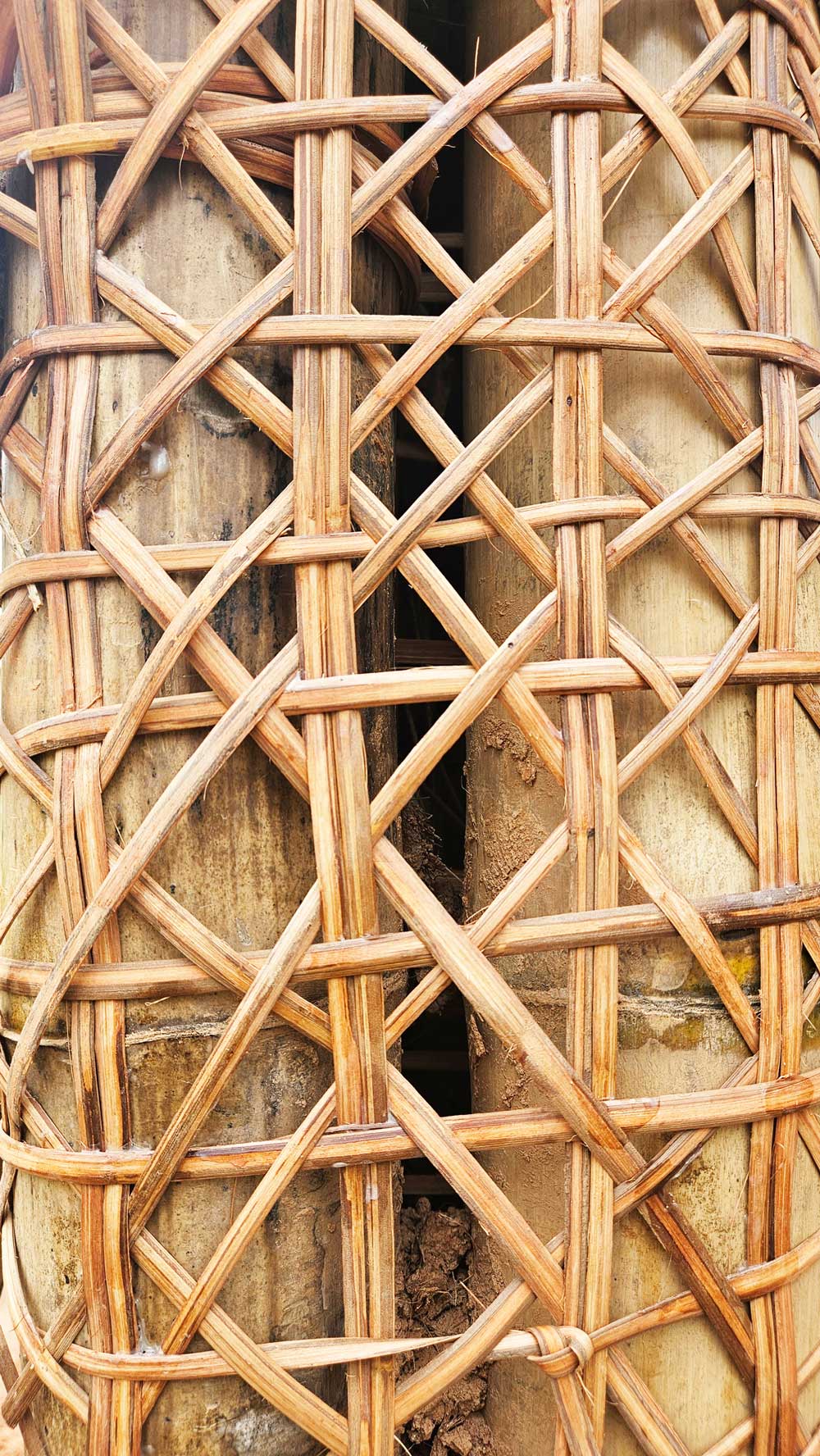
The construction system is based on the use of locally available natural materials, primarily bamboo and plant-based fibres, assembled through techniques rooted in local building traditions. While a 3D model was used as a reference framework, the primary objective was not strict geometric execution, but rather to learn from the material logic, assembly sequences, and construction constraints inherent to these materials and context.
Through direct engagement with the construction process, the project generated valuable field-based knowledge regarding tolerances, variability, and material behaviour. This hands-on understanding forms a critical foundation for the future development of automation strategies and technology-driven construction systems tailored to similar material contexts and socio-economic conditions.

Digital Design & Assisted Digital Fabrication

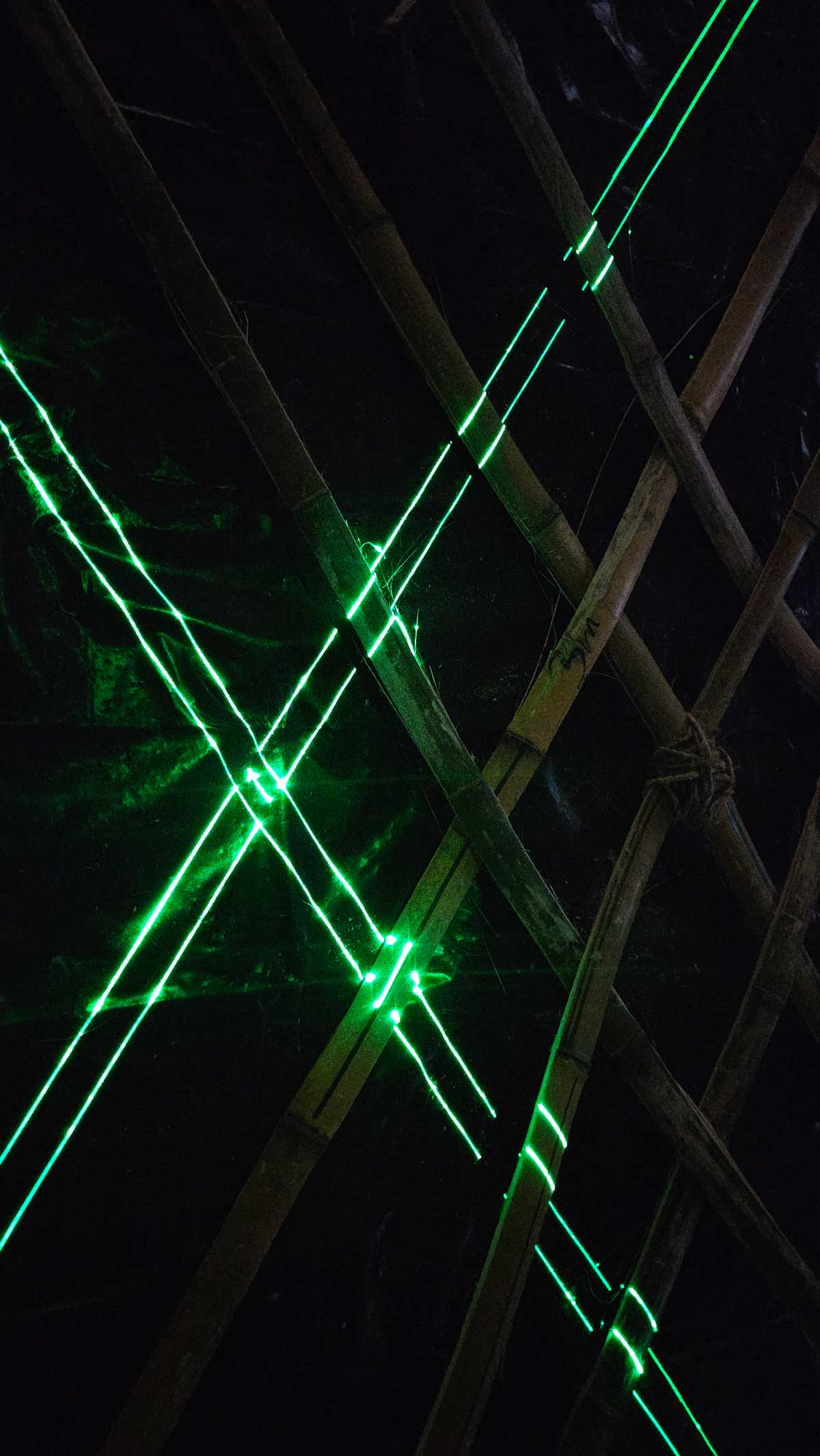
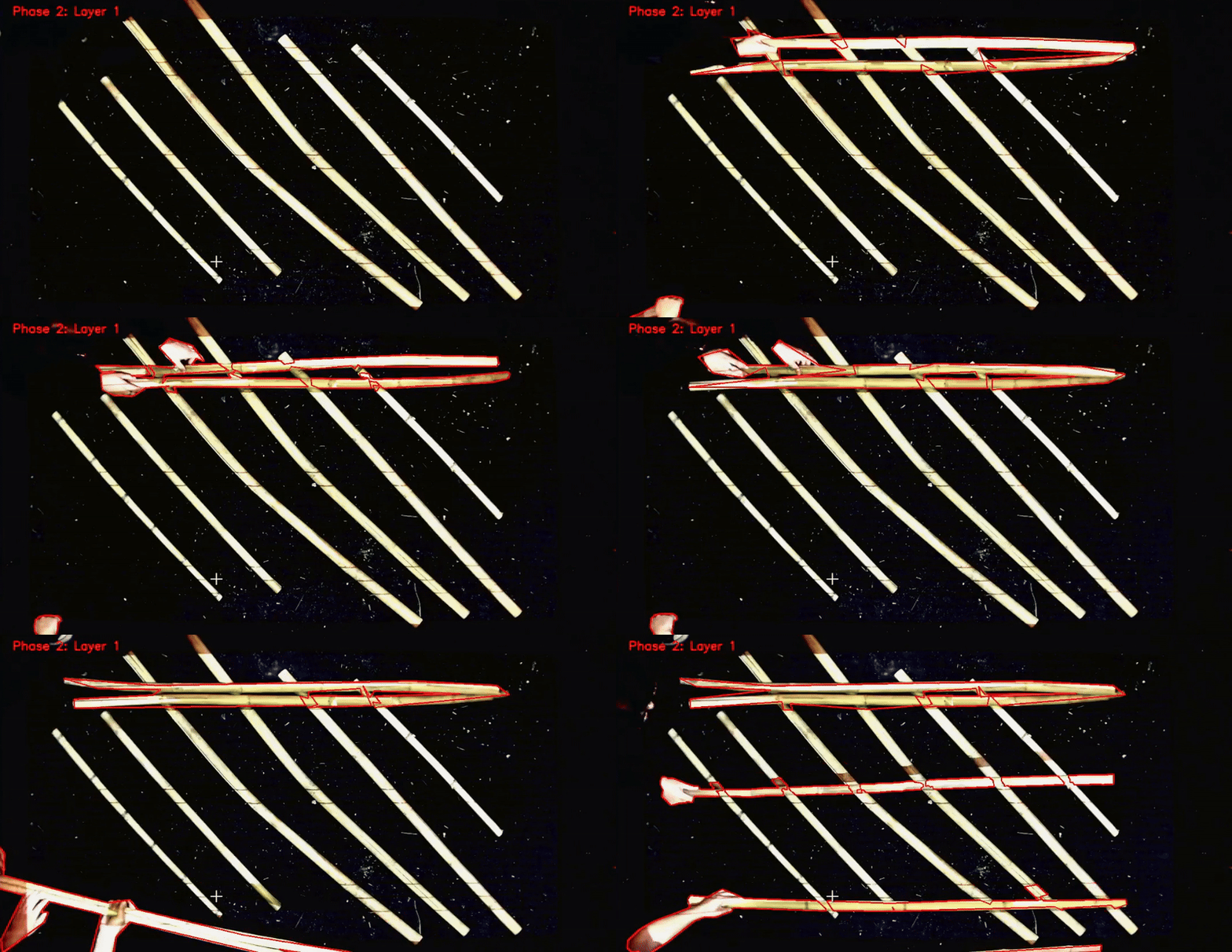
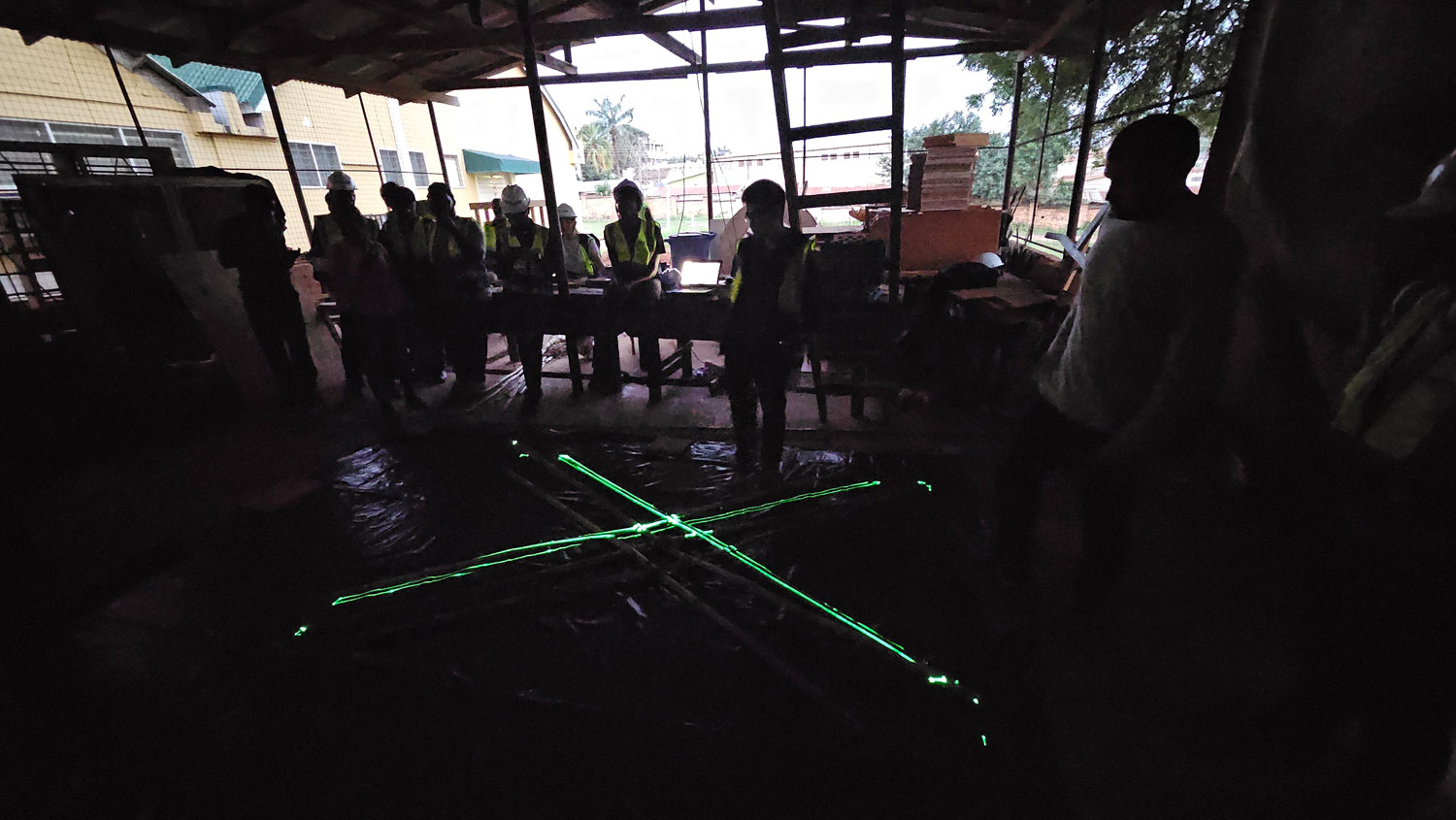
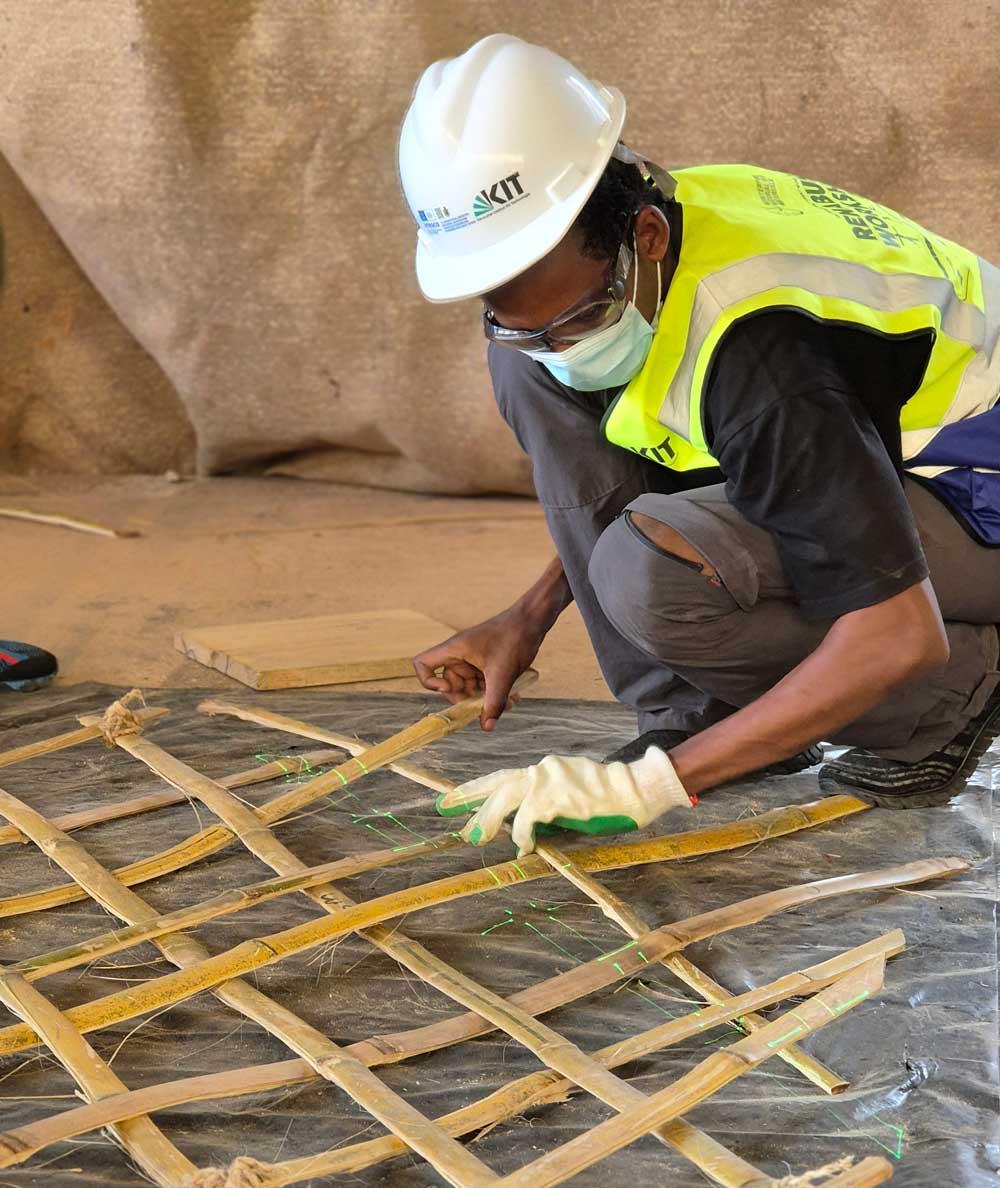
A key research component of Renabuma lies in the exploration of digital design and assisted digital fabrication techniques adapted to low-tech construction environments. The fabrication of bamboo mats using split bamboo elements was guided through a laser-based projection system, which provided real-time visual instructions during assembly.
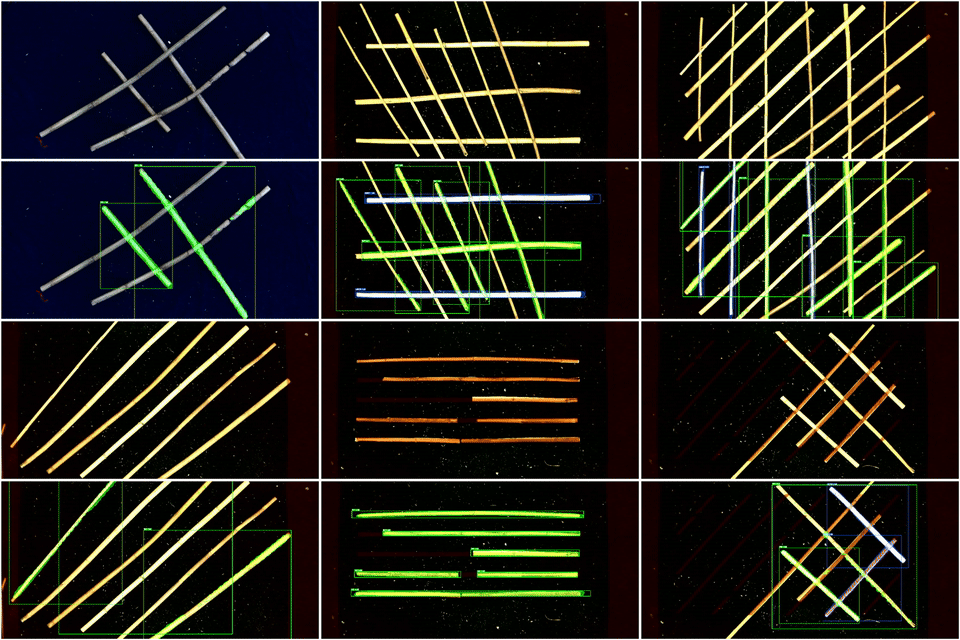
The process combined an overhead laser projection with a camera-based detection system to recognise the positioning of the split bamboo elements, allowing the construction sequence to be incrementally guided and adjusted. This hybrid approach bridges manual craftsmanship and digital assistance, demonstrating how minimal technological interventions can enhance precision, repeatability, and learning without replacing local construction practices.
By embedding digital guidance into the construction process, Renabuma establishes a methodological link between field-based experimentation and future research on automation, computational design, and technology transfer for natural-material construction systems.

Research Partners

Professur Digital Design and Fabrication DDF
Prof. Moritz Dörstelmann, Javier Fuentes, Carolin Feldmann

Kwame Nkrumah University of Science and Technology (KNUST) – Department of Architecture
Prof. Daniel Duah, Prof. Alexander Boakye Marful, Eric Asirifi, Michael Mauena Baccah, Nana Kwame Boakye‑Yiadom, Abigail Coppson, Stephanie Davies, Henry Kofi Danso, Isaac Kwofie Egyir, Henrietta Brew Ntim‑Addae, Steven Nusesi, Amma Agyemang Opoku, Margaret Baamah Patterson.

Akenten Appiah-Menka University of Skills Training and Entrepreneurial Development (AAMUSTED) – Department of Civil Engineering
Prof. Emmanuel Appiah-Kubi

Kwame Nkrumah University of Science and Technology (KNUST) – TCC-CIMET
Prof. Francis Davis, Jason Barnor‑Arthur, Kenneth Donkor, Anselm Kyeb