NATIONAL GEOGRAPHIC MUSEUM

Industrialized Parametric Facade

May 2026

NATGEO_MAIN

Role

-Project Director 

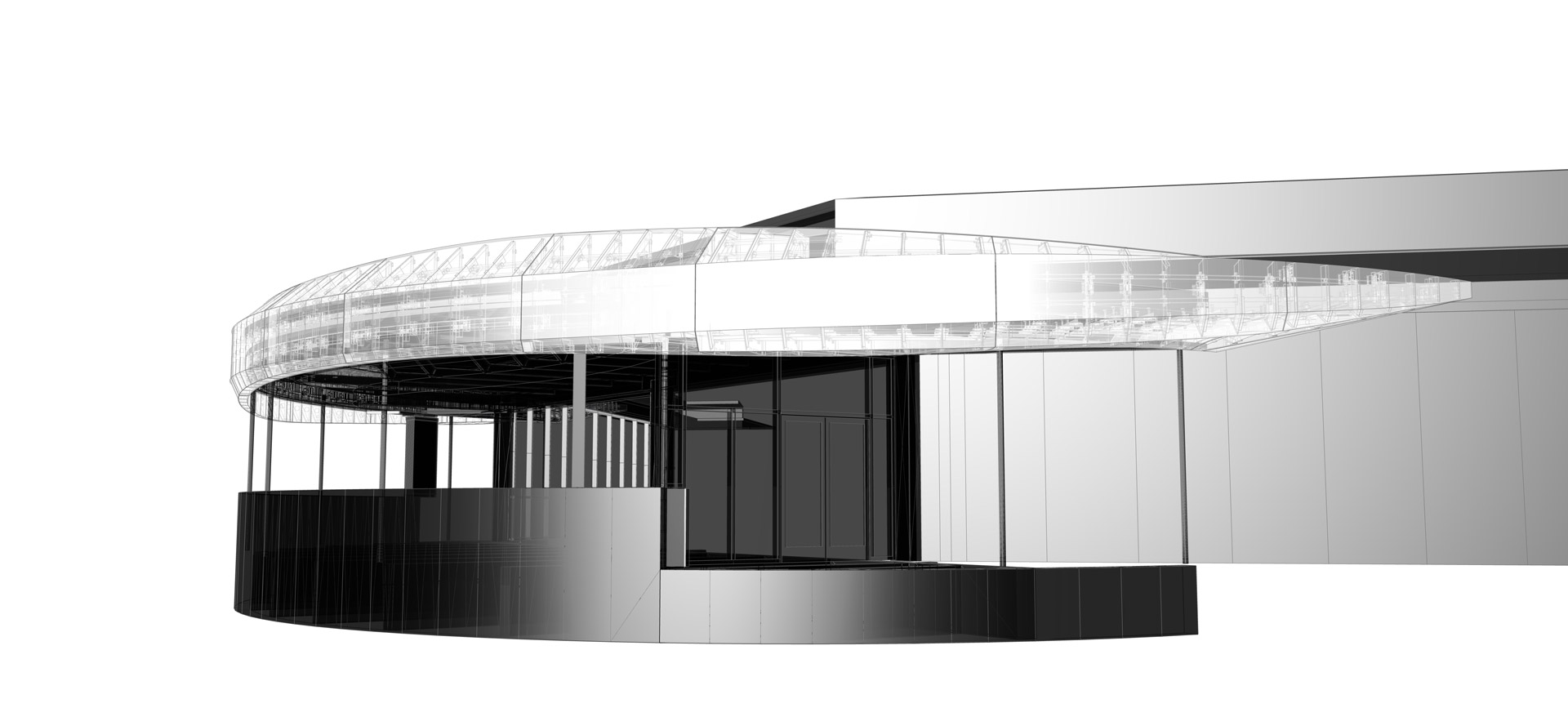
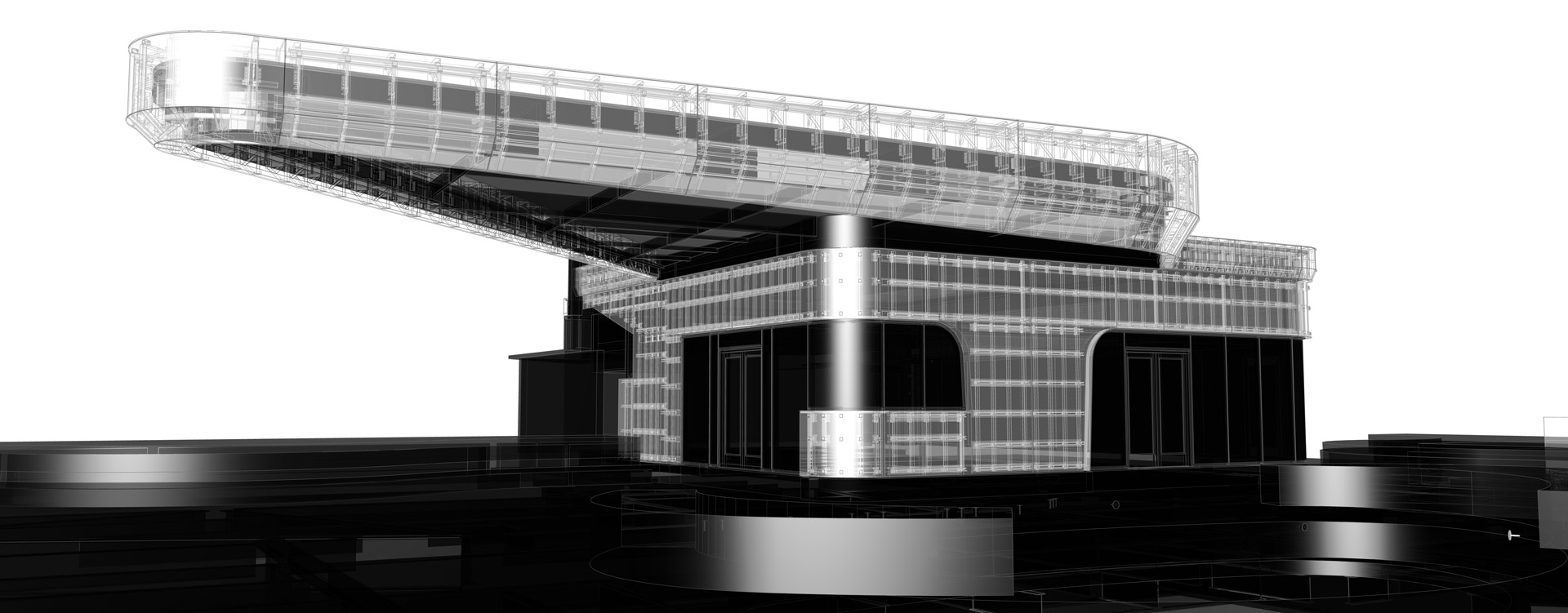
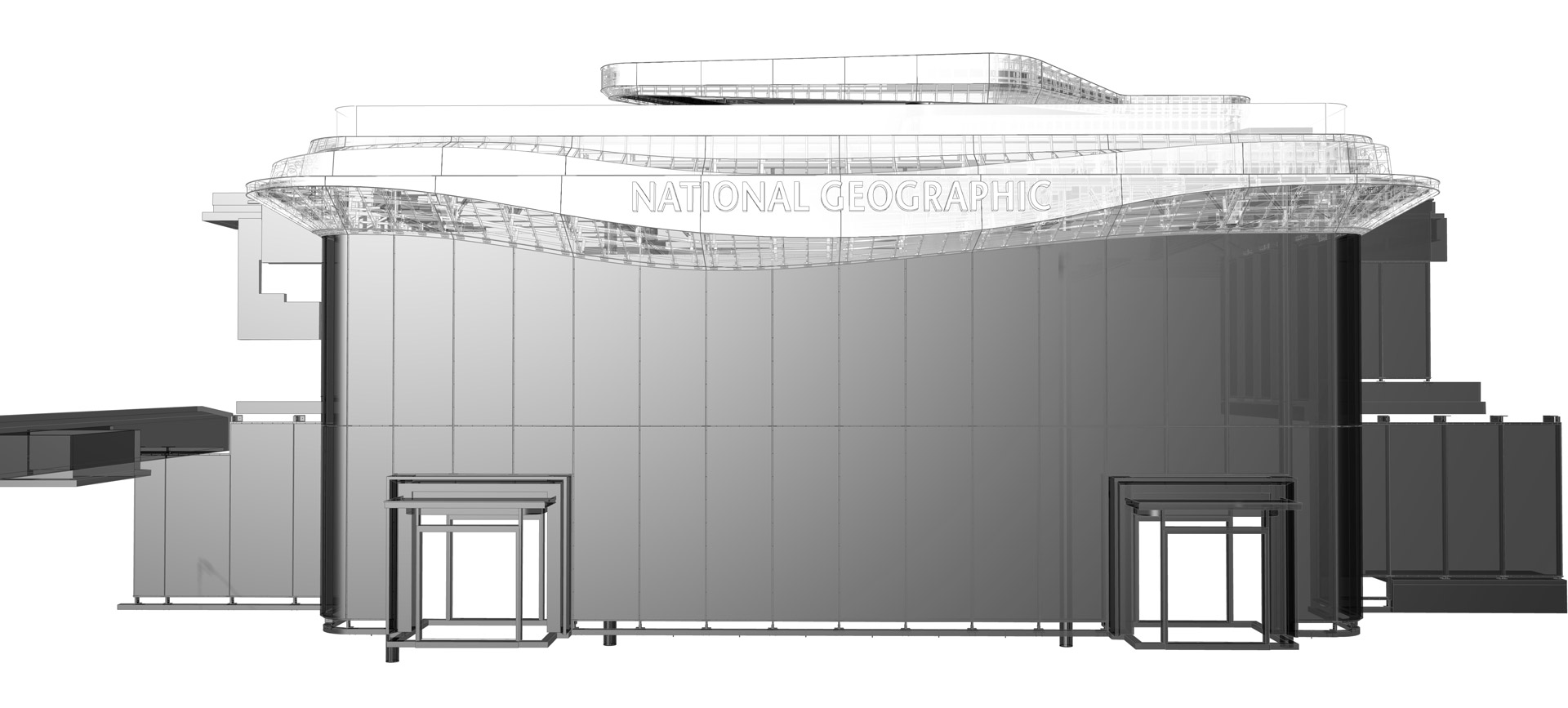
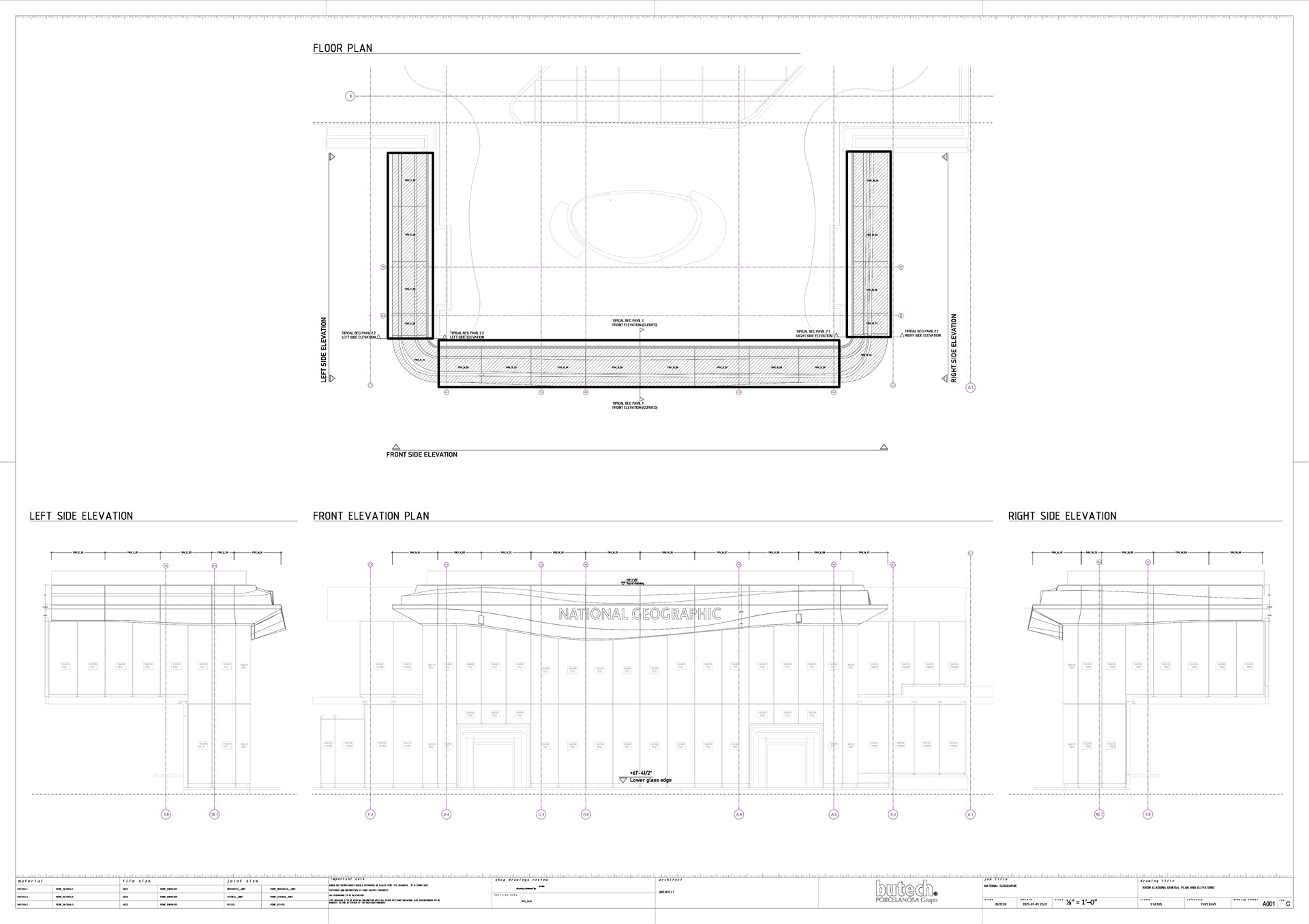
The façade intervention at the National Geographic Museum consists of 296 Krion modules distributed across three distinct façade zones. Due to the manual installation process and the geometric complexity of the system, the project required highly precise fabrication and assembly documentation.

Additionally, the following tasks were developed:

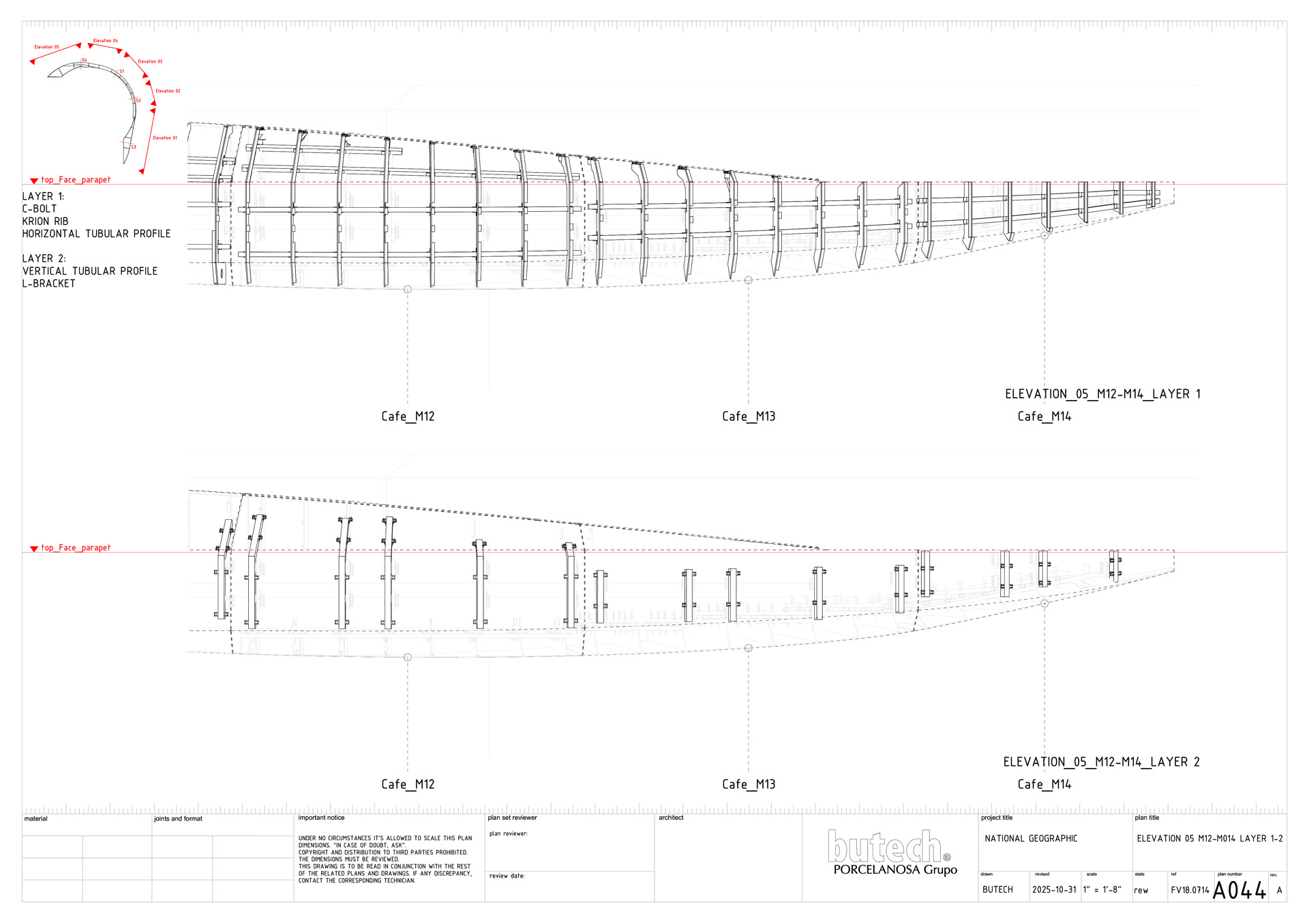
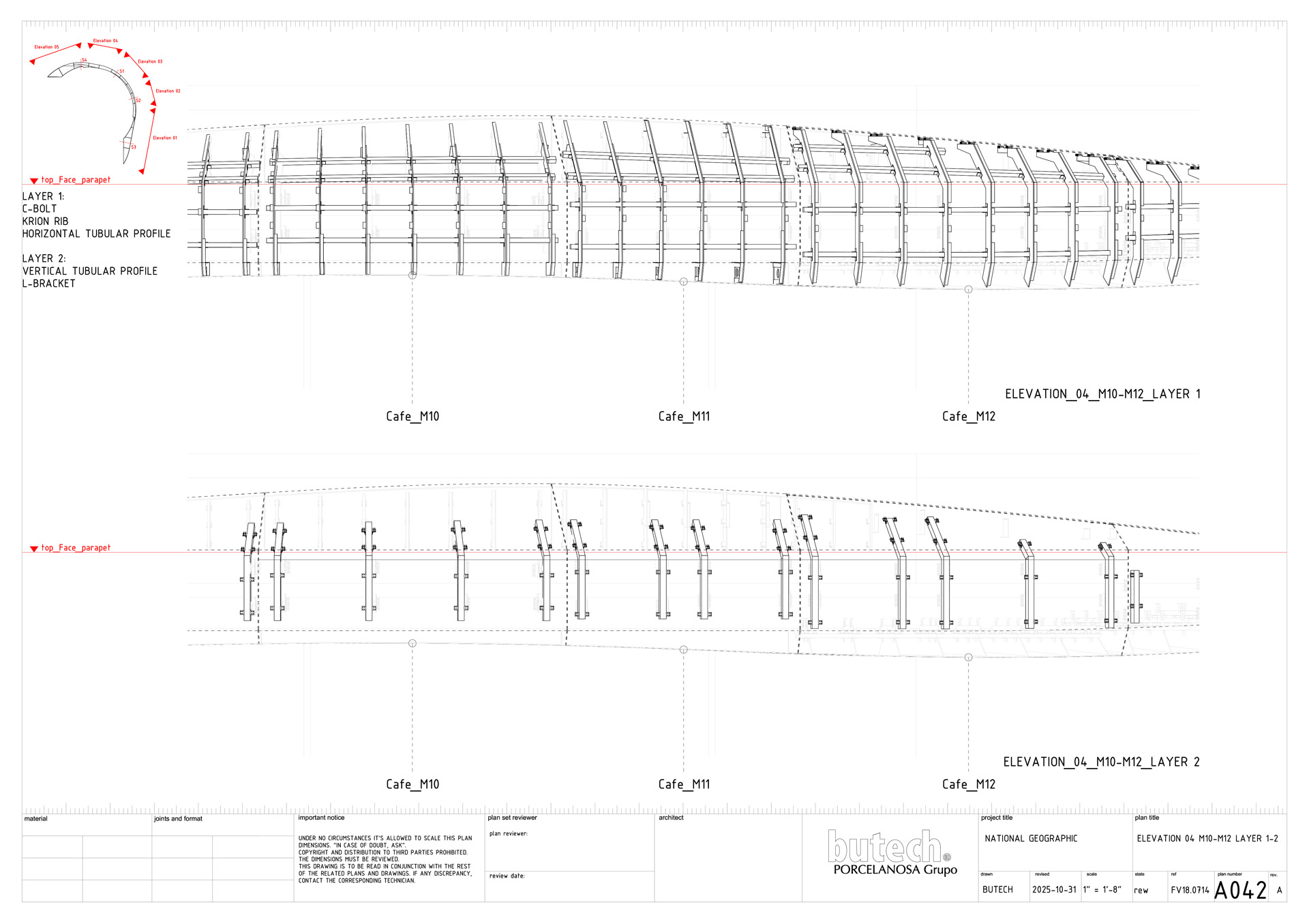
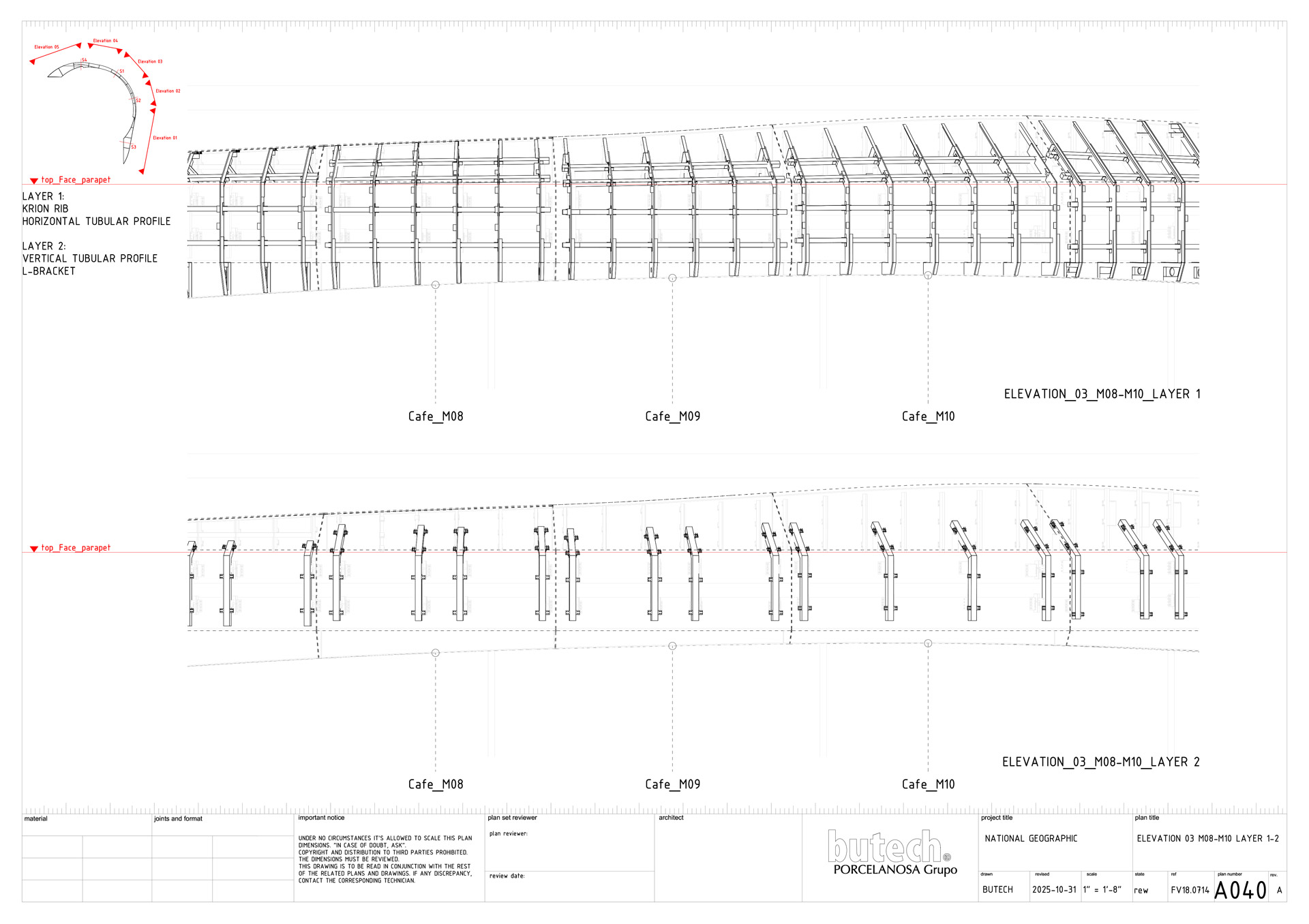
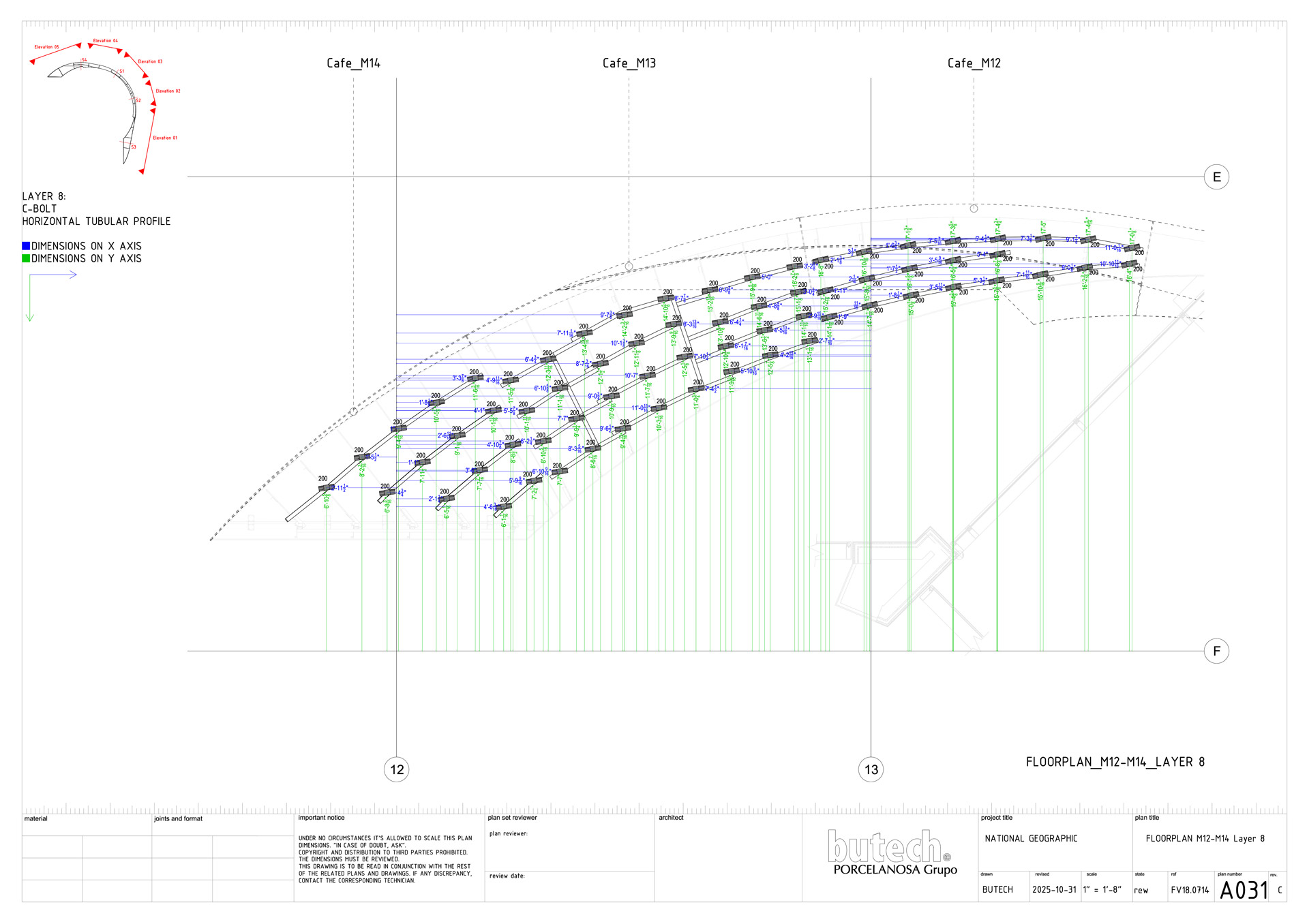
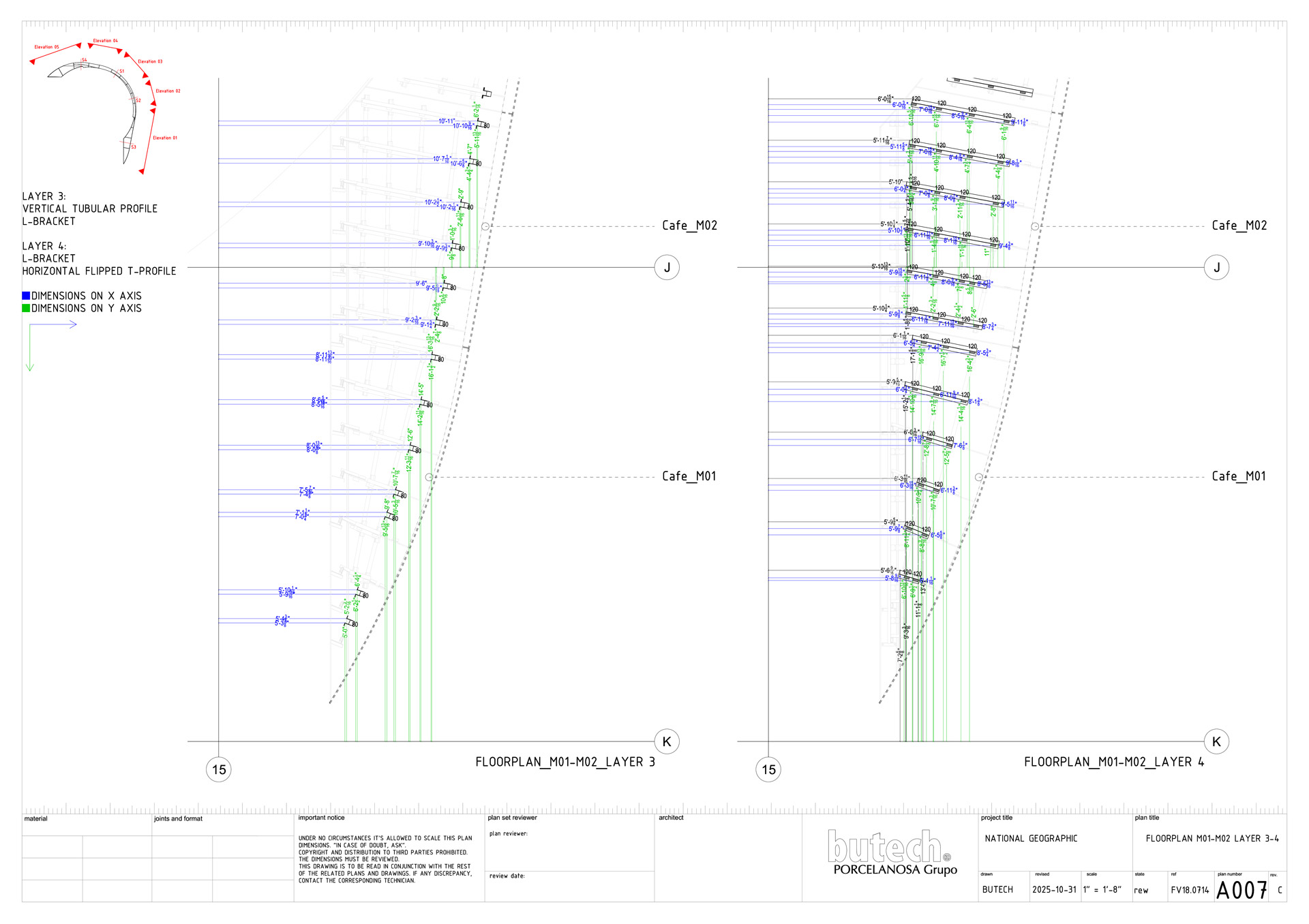
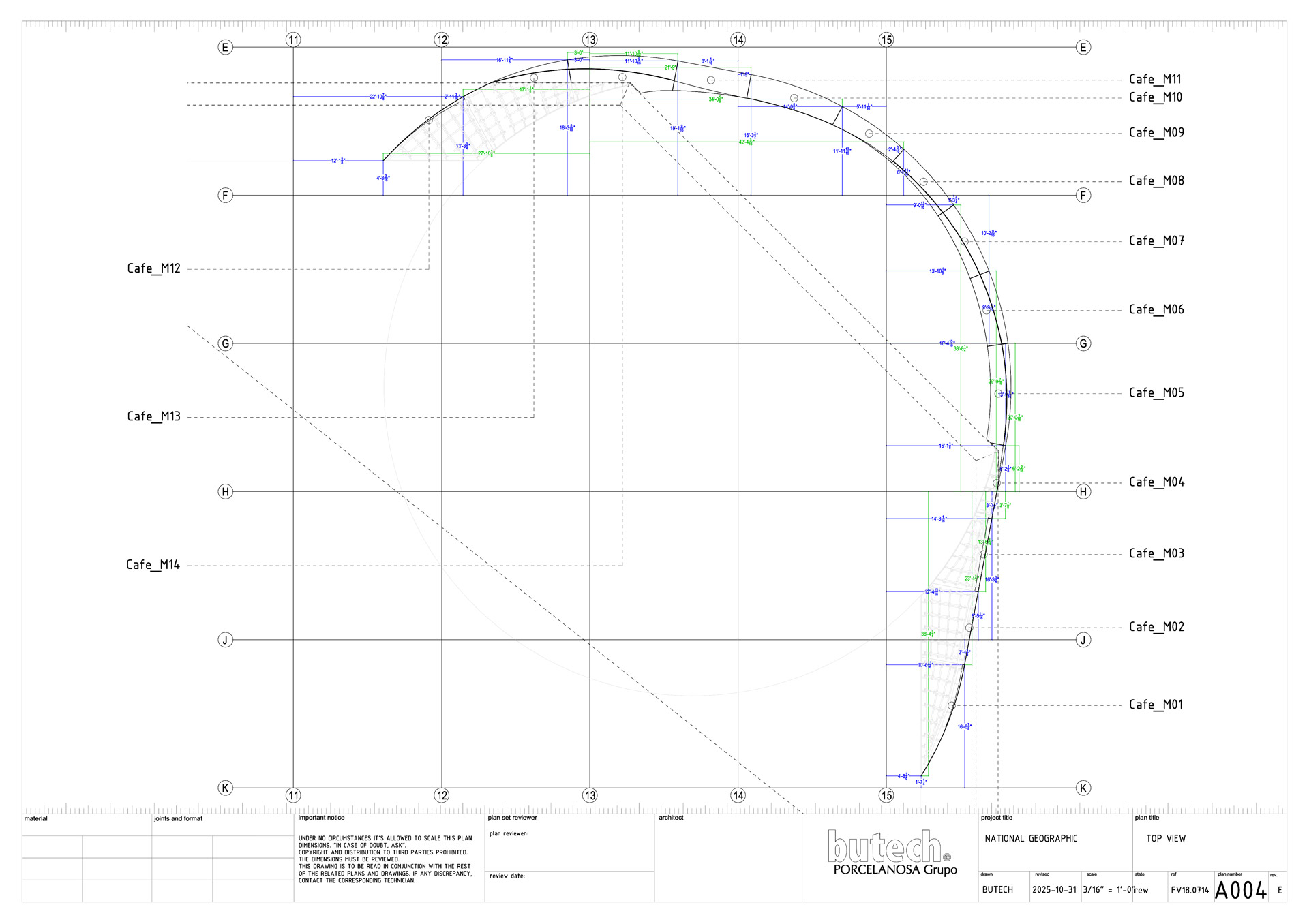
  • Automated generation of more than 1.260 pages of shop drawings & construction documentation for the fabrication and manual installation of the façade modules, directly derived from the 3D model through algorithmic workflows and custom automation scripts.
  • Redefinition, optimization, and rationalization of the original geometry to enable an industrialized and fabrication-aware manufacturing process for the façade system.
  • Parametric extraction of fabrication and assembly data, ensuring consistency between geometry, detailing, and installation information while minimizing manual drafting efforts.
  • Remodelling and verification of the existing façade geometry using point cloud data, aligning the digital model with as-built conditions.
  • Coordination of multiple 3D models (façade, structural, and auxiliary systems), including clash detection, issue tracking, and collaboration with external consultants.
  • Design and coordination of the supporting structural system required to anchor the façade modules.
  • Bill of quantities for each module, including surface areas, joints, fasteners, welding lengths, and associated fabrication metrics.

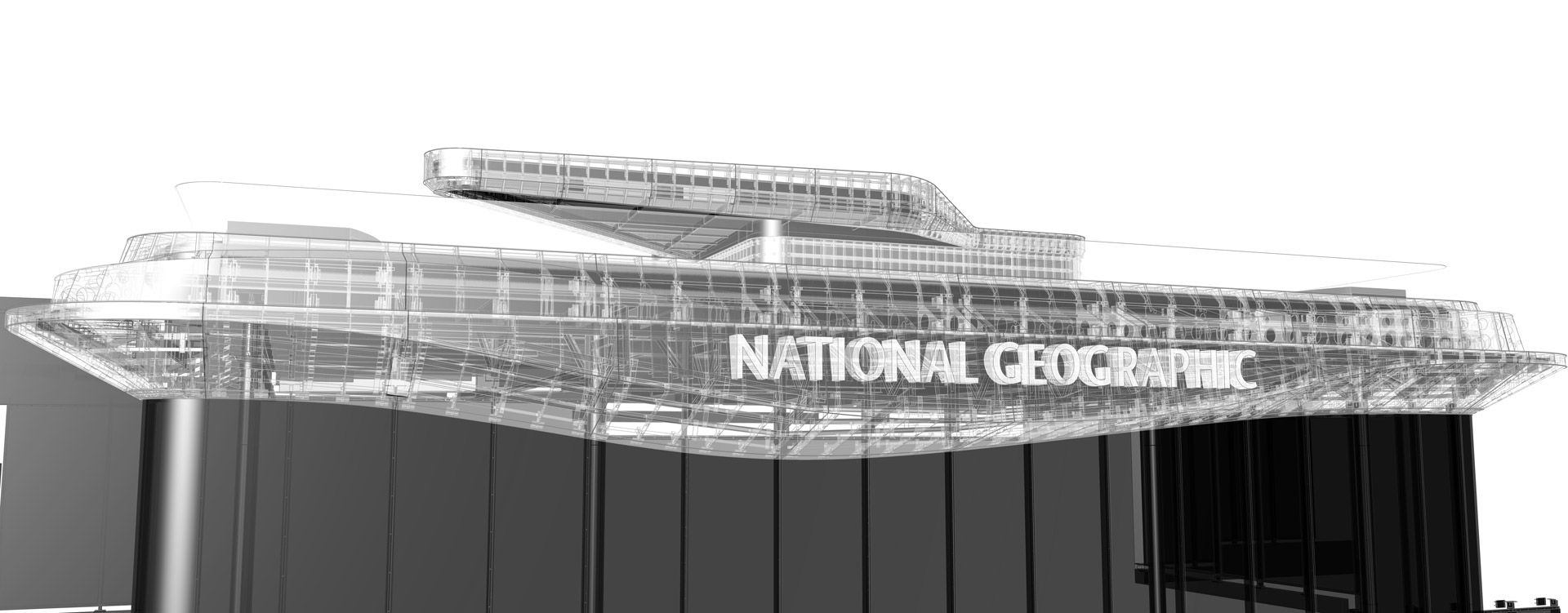
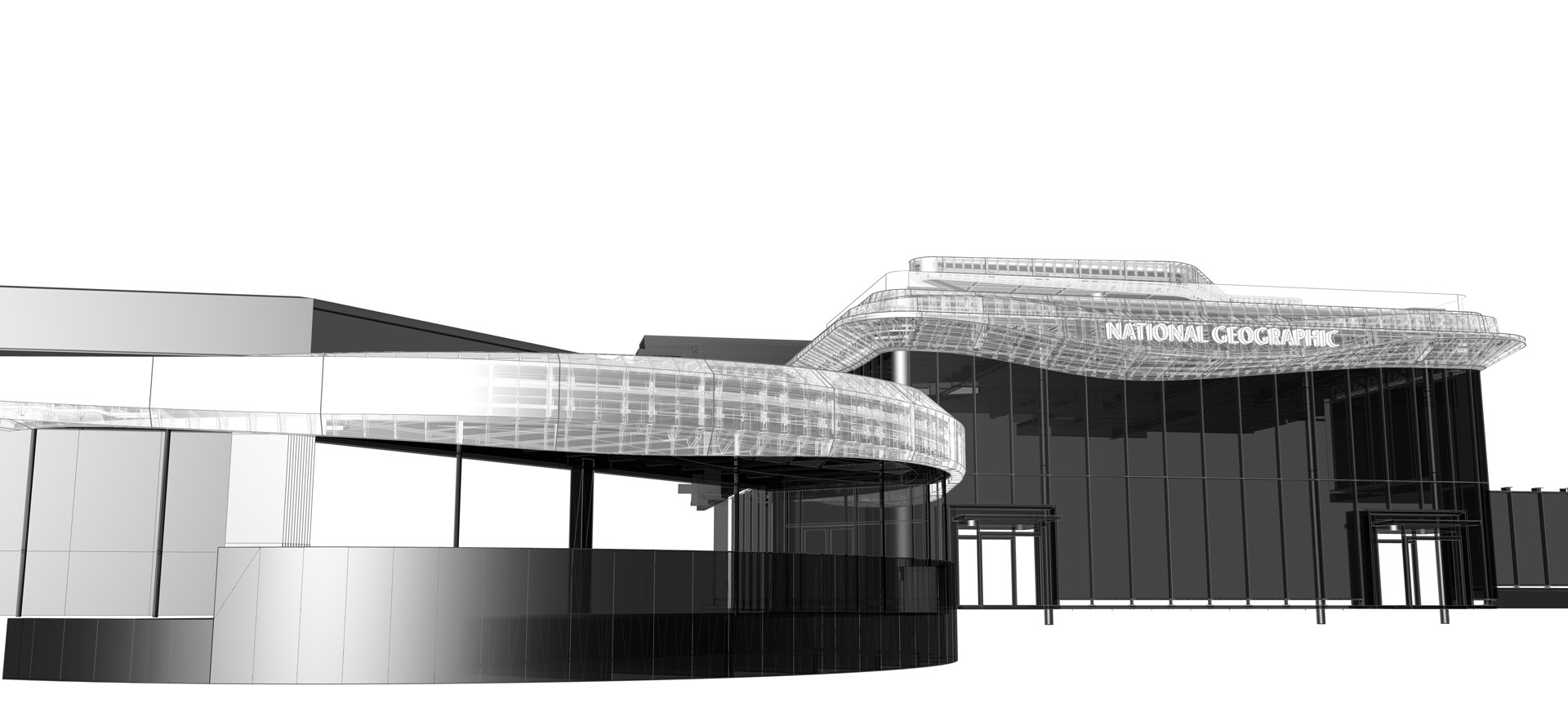
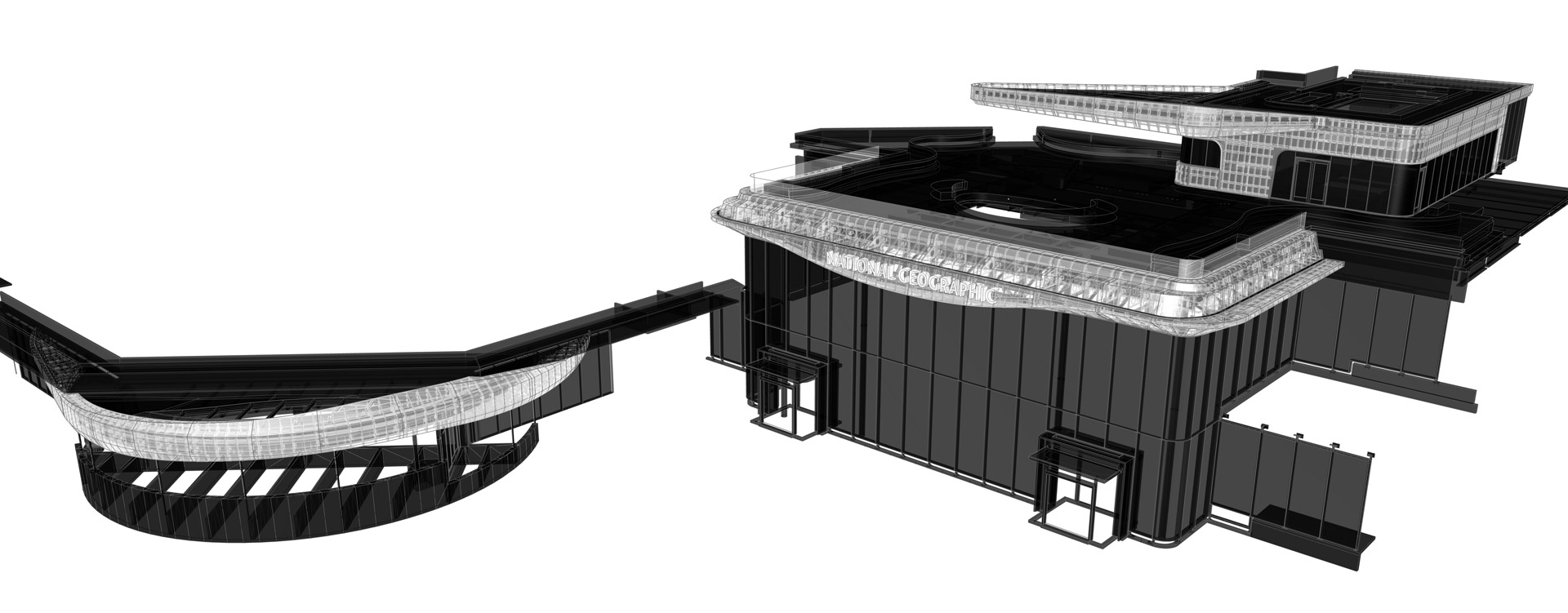
Fabrication Model

A fabrication model is developed to integrate all discipline-specific information required for the precise manufacturing of the façade system. Each component is modelled individually to ensure geometric accuracy, verify construction feasibility, and validate the overall aesthetic performance. The model consolidates fabrication tolerances, substructure configurations, and assembly logic, enabling consistent coordination between design, production, and on-site installation.

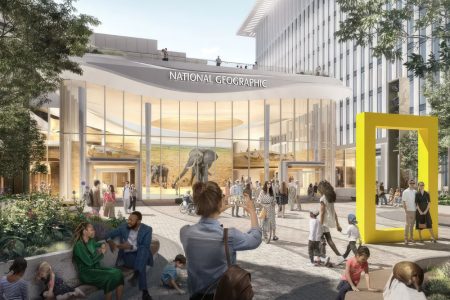
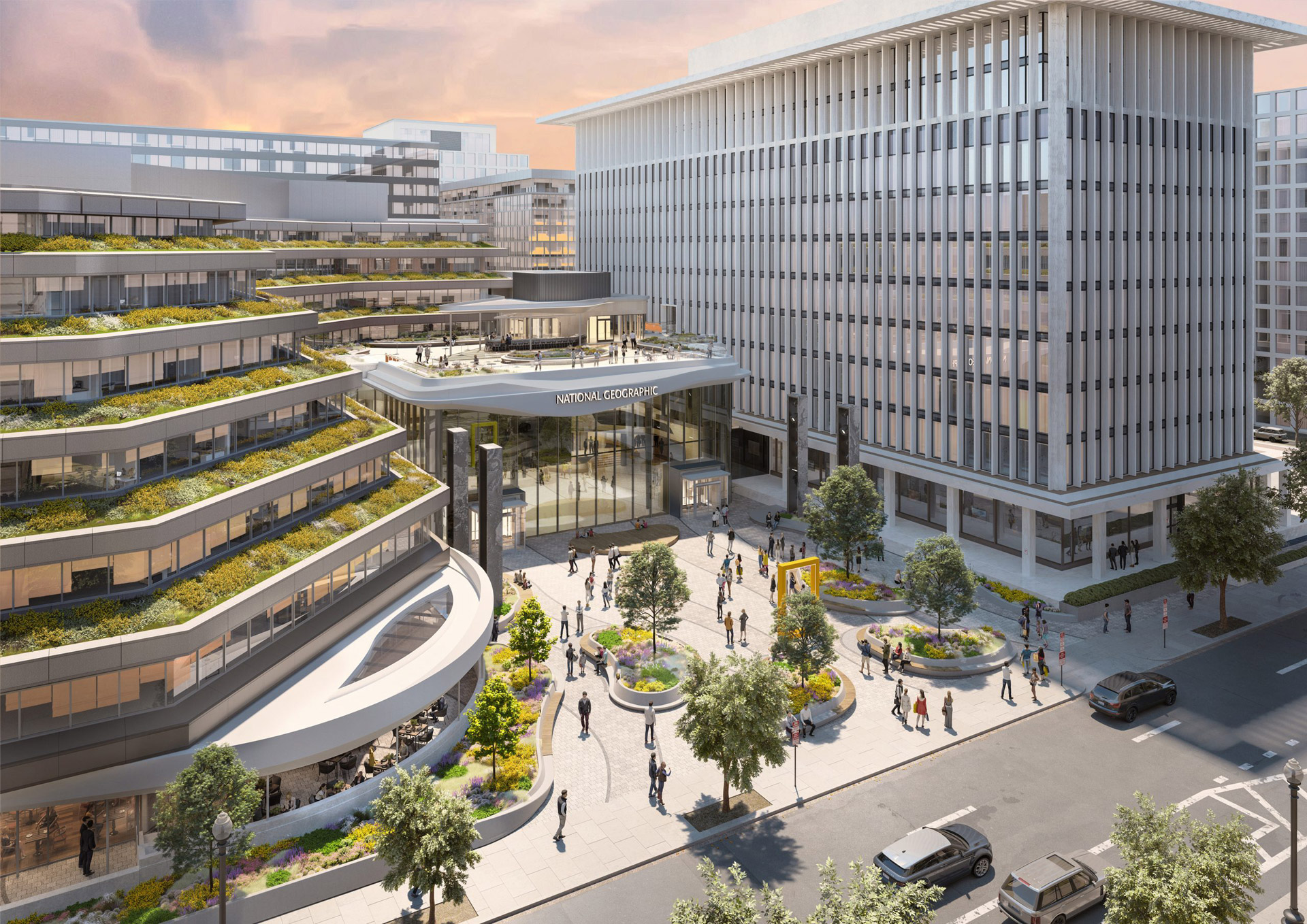
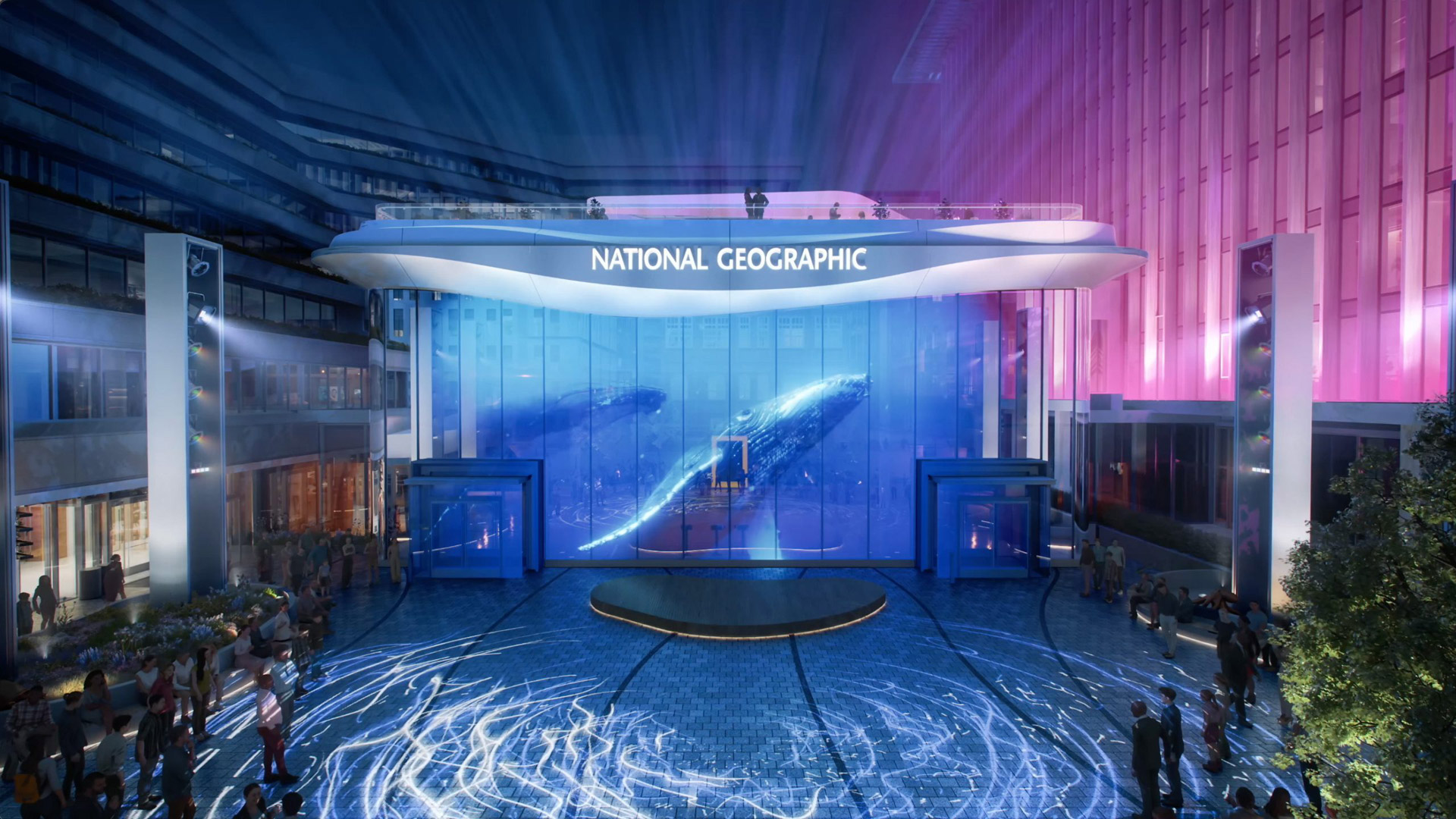
Renders

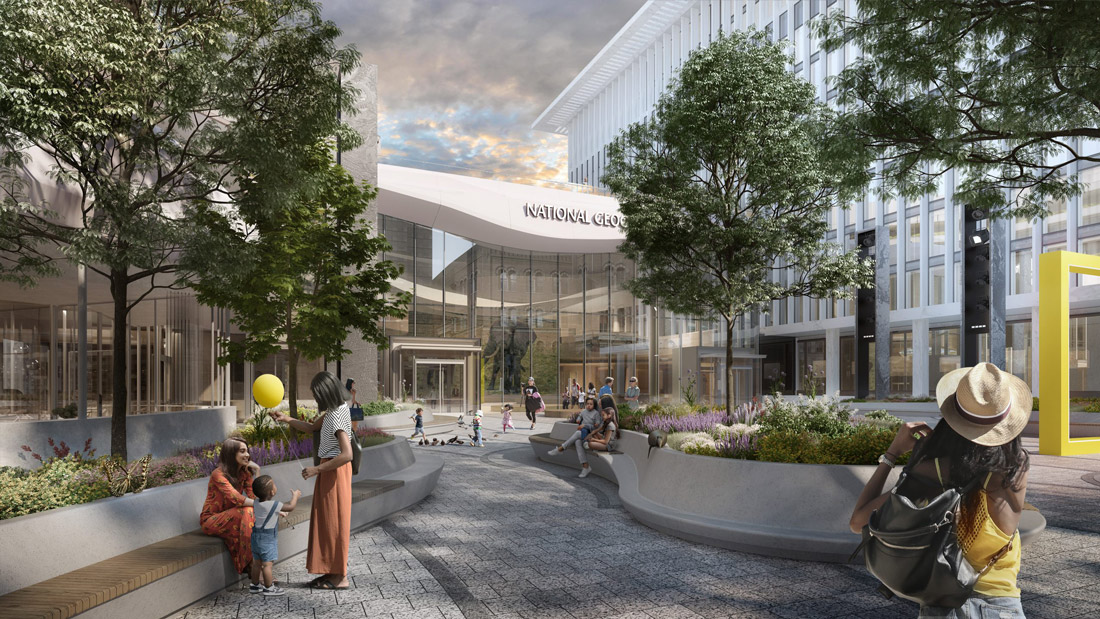
Images courtesy of Hickok Cole Architects.

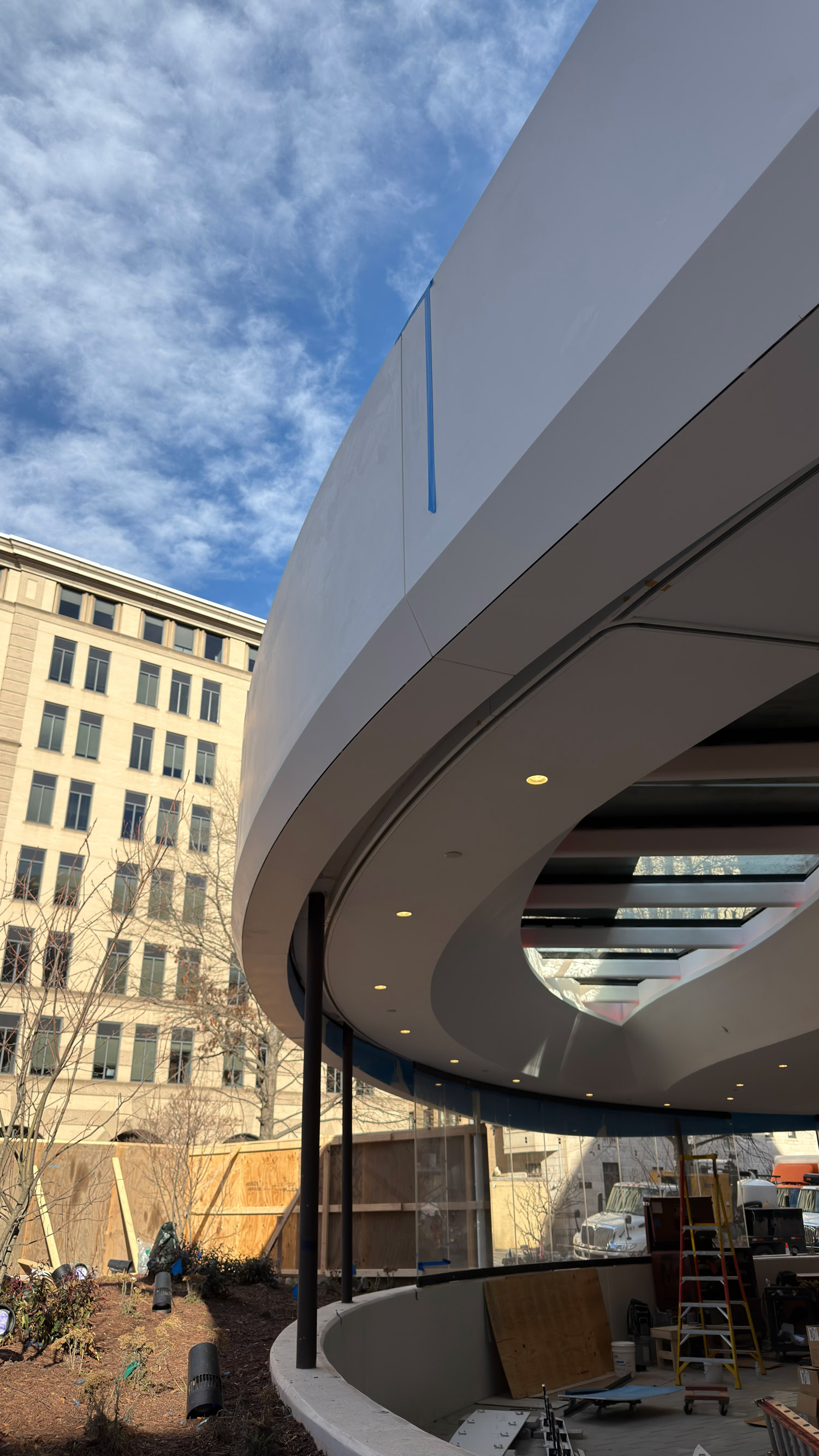
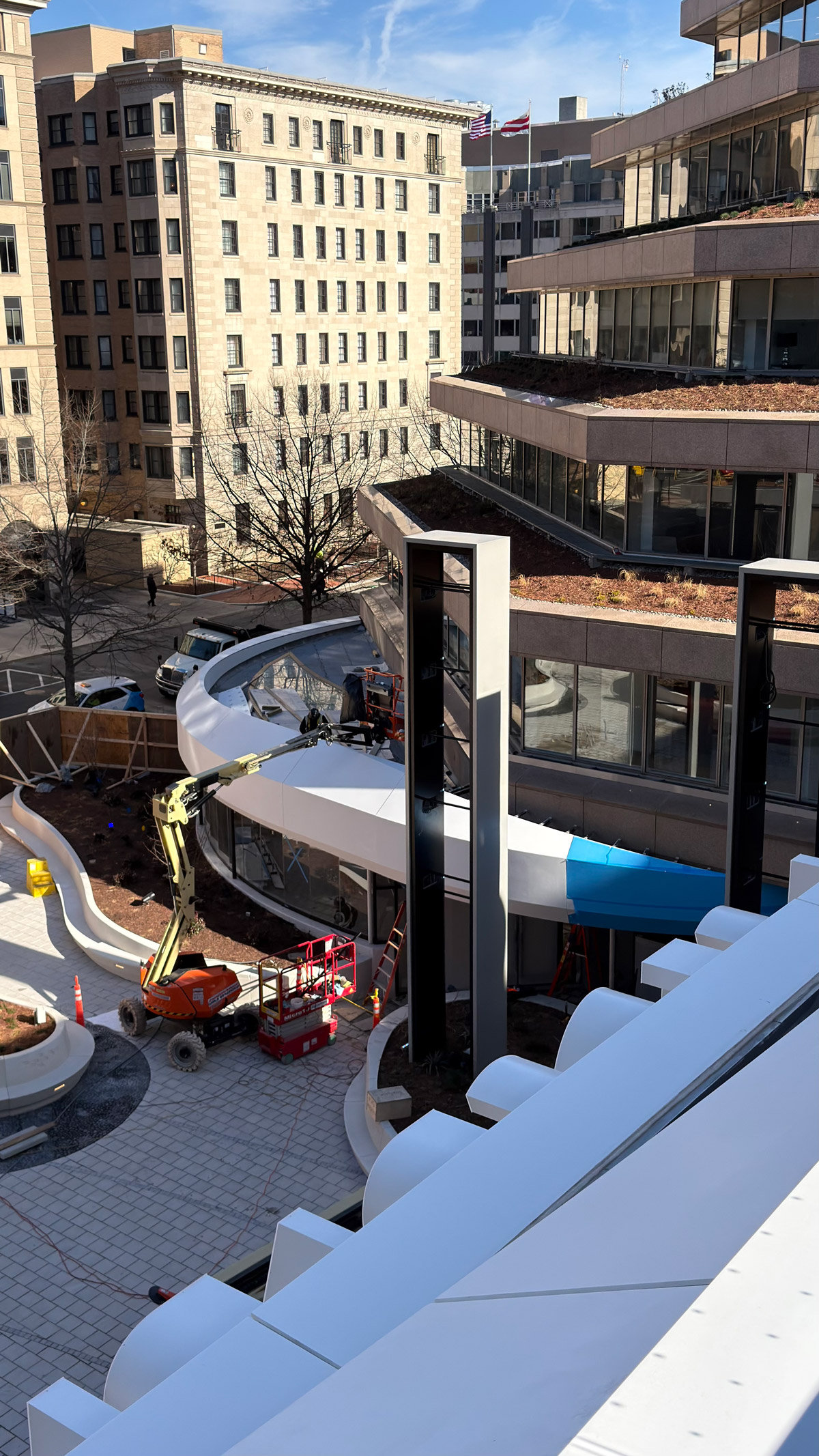
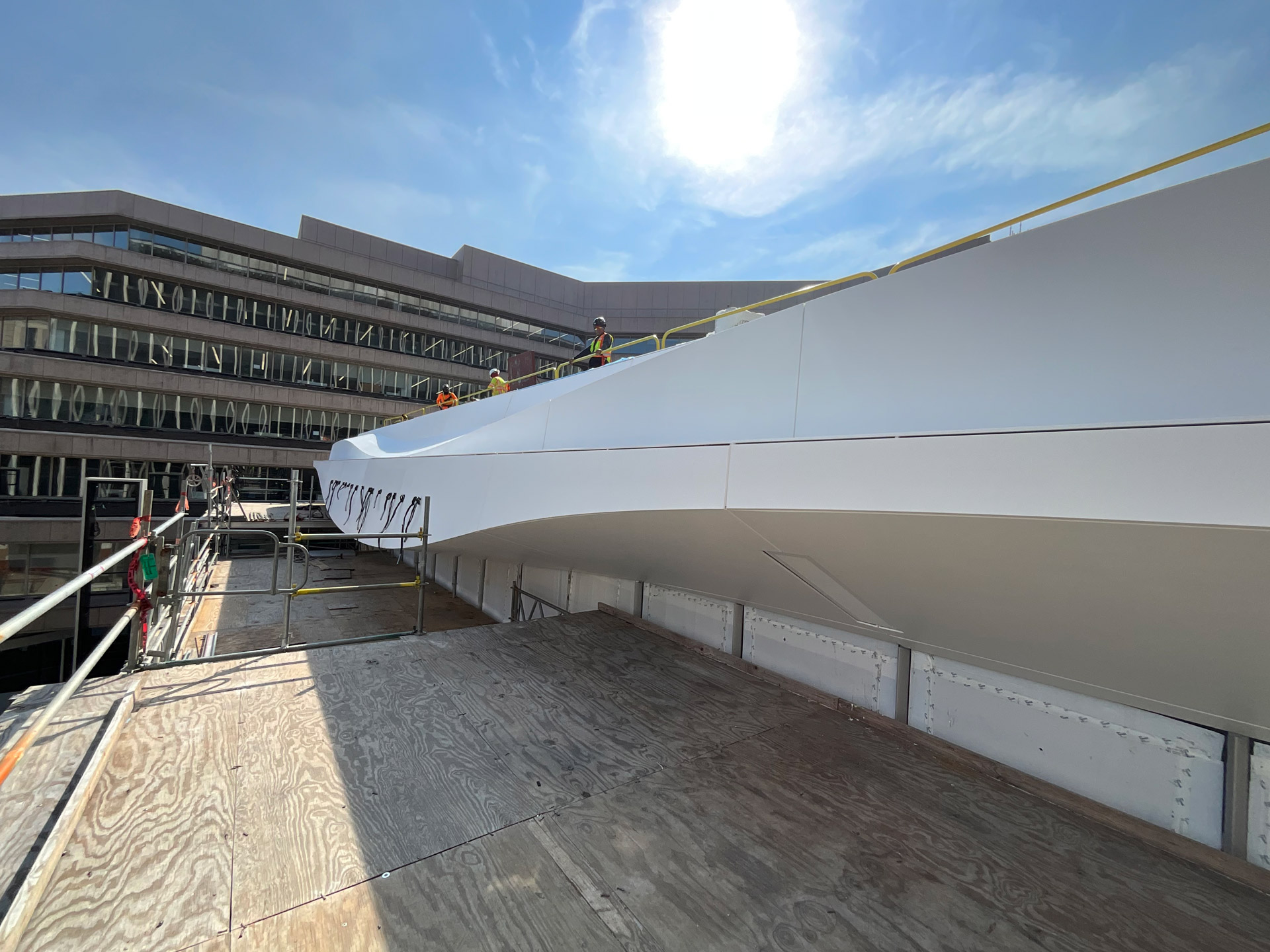
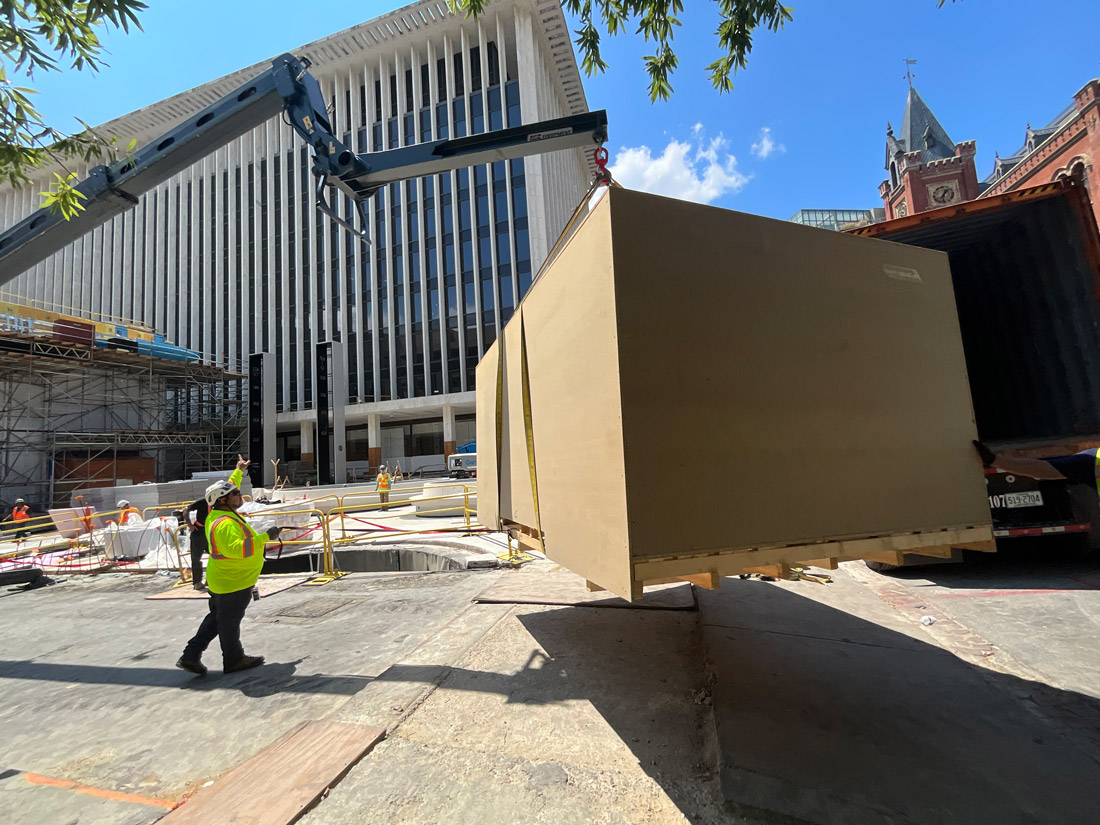
Construction Site Photos

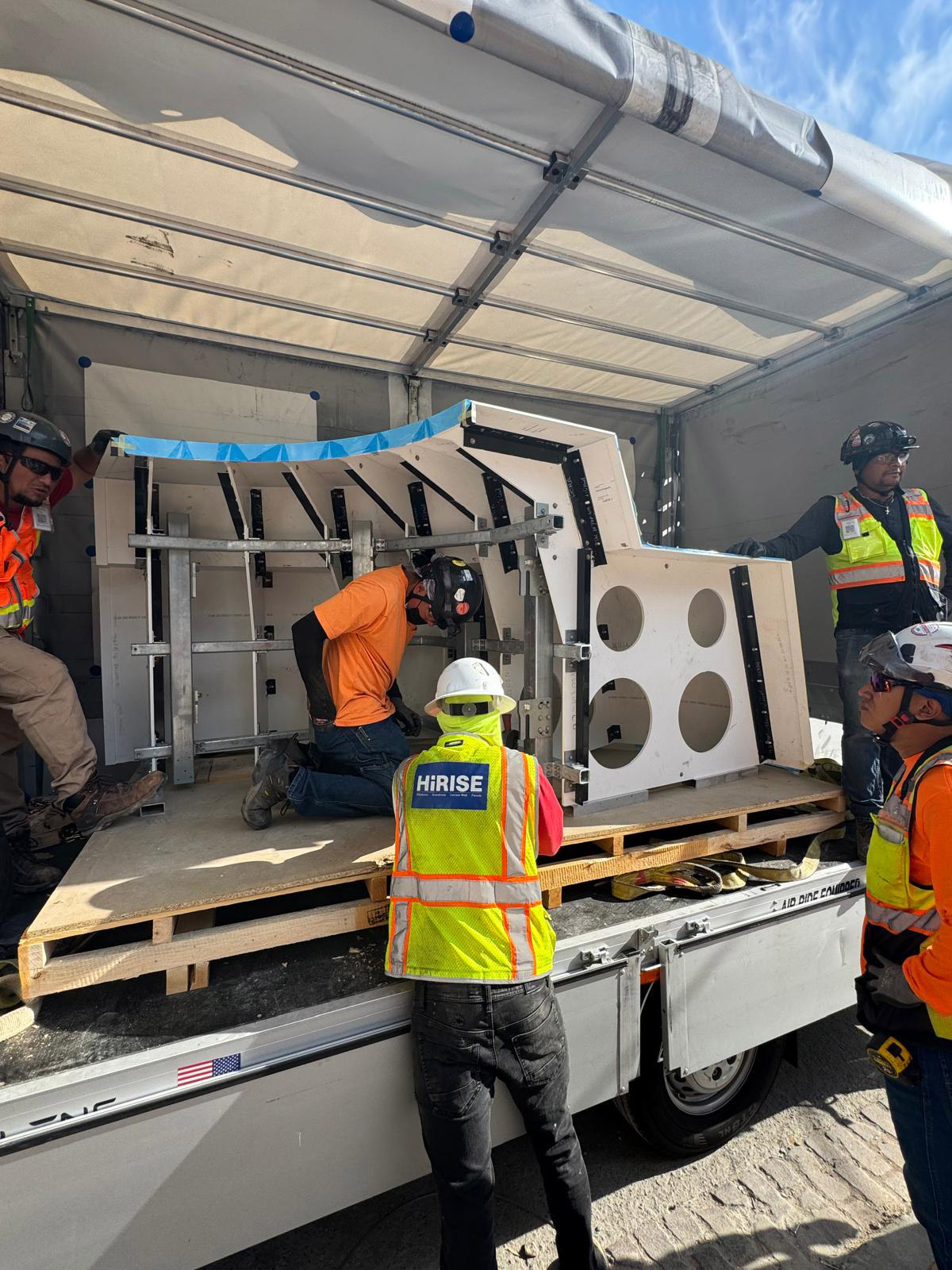
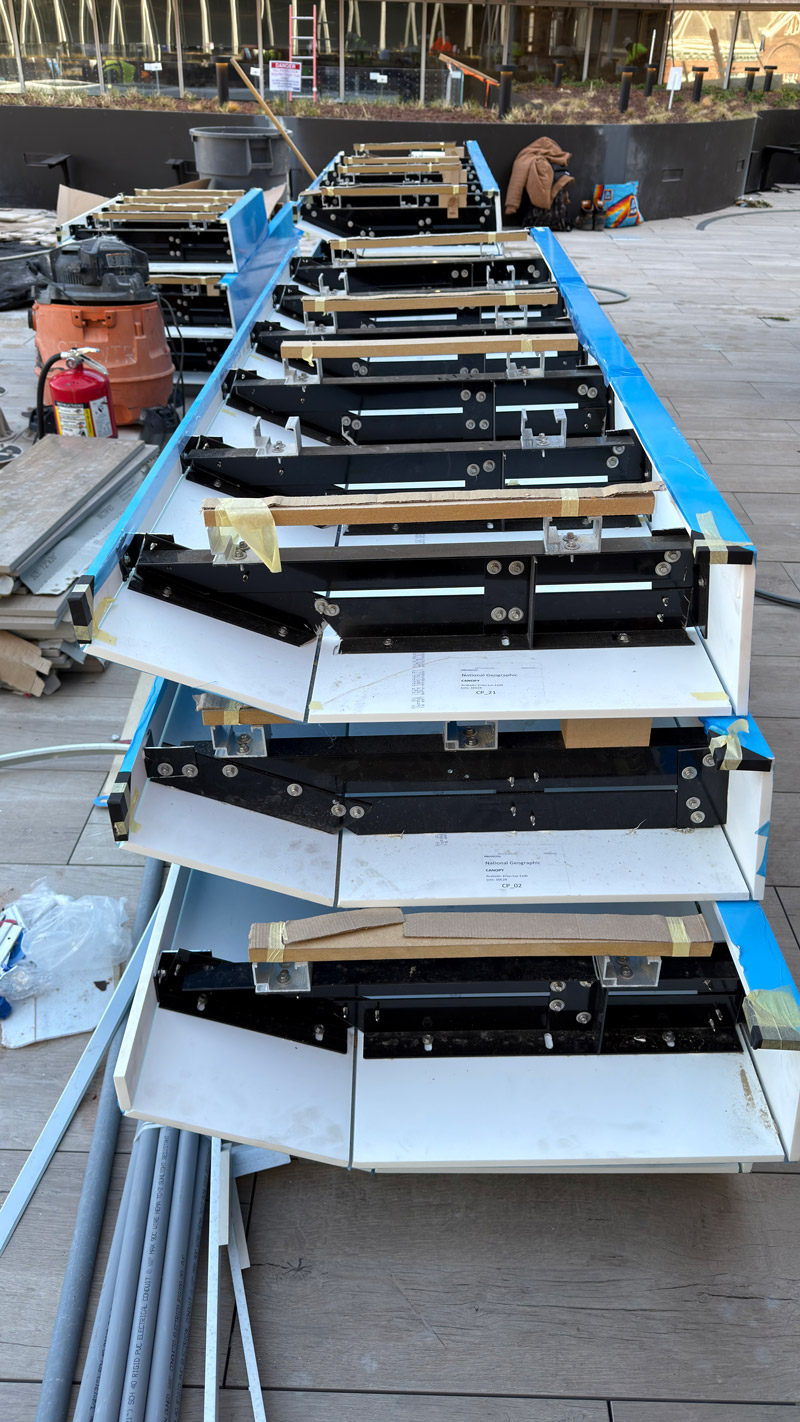
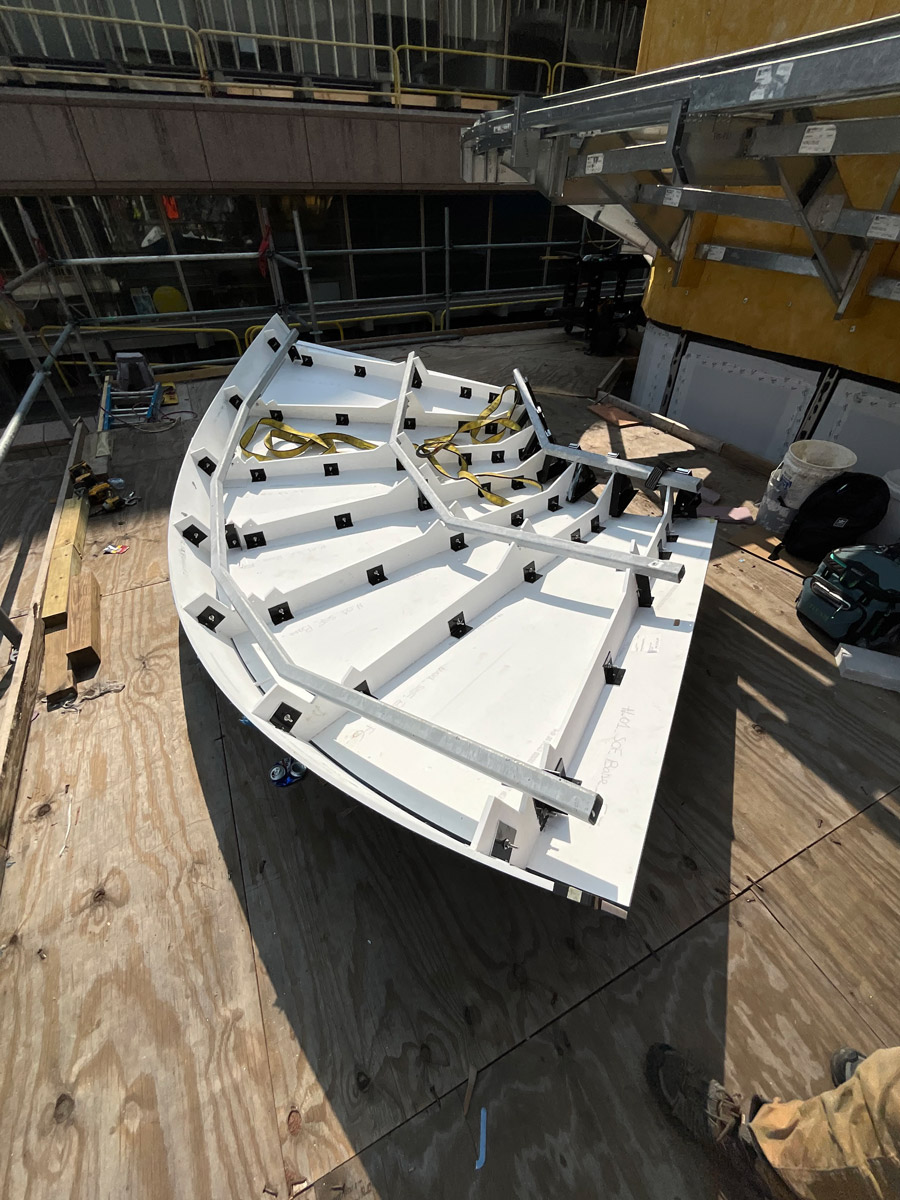
Prefabricated Modules

Each façade element is developed as part of a digitally parametrised system of 296 Krion modules, defined within a shared framework of geometric and assembly constraints. Algorithms are used not only to control panel geometry, but also to directly generate fabrication-ready outputs, ensuring consistency between design intent and manufacturing information. Algorithmic workflows link geometric definition with detailing logic, enabling the automated production of shop drawings and fabrication data for each panel. Through this process, dimensions, tolerances, fixing positions, and auxiliary components are embedded within the parametric model, reducing manual drafting efforts and minimising the risk of discrepancies between design and production. This approach supports a fabrication-aware workflow in which constructability and assembly logic are addressed from early design stages, streamlining coordination during manufacturing and ensuring an efficient and reliable on-site installation process.